# Moving to the Coast: The Weather and Climate in San Clemente, CA in 2026
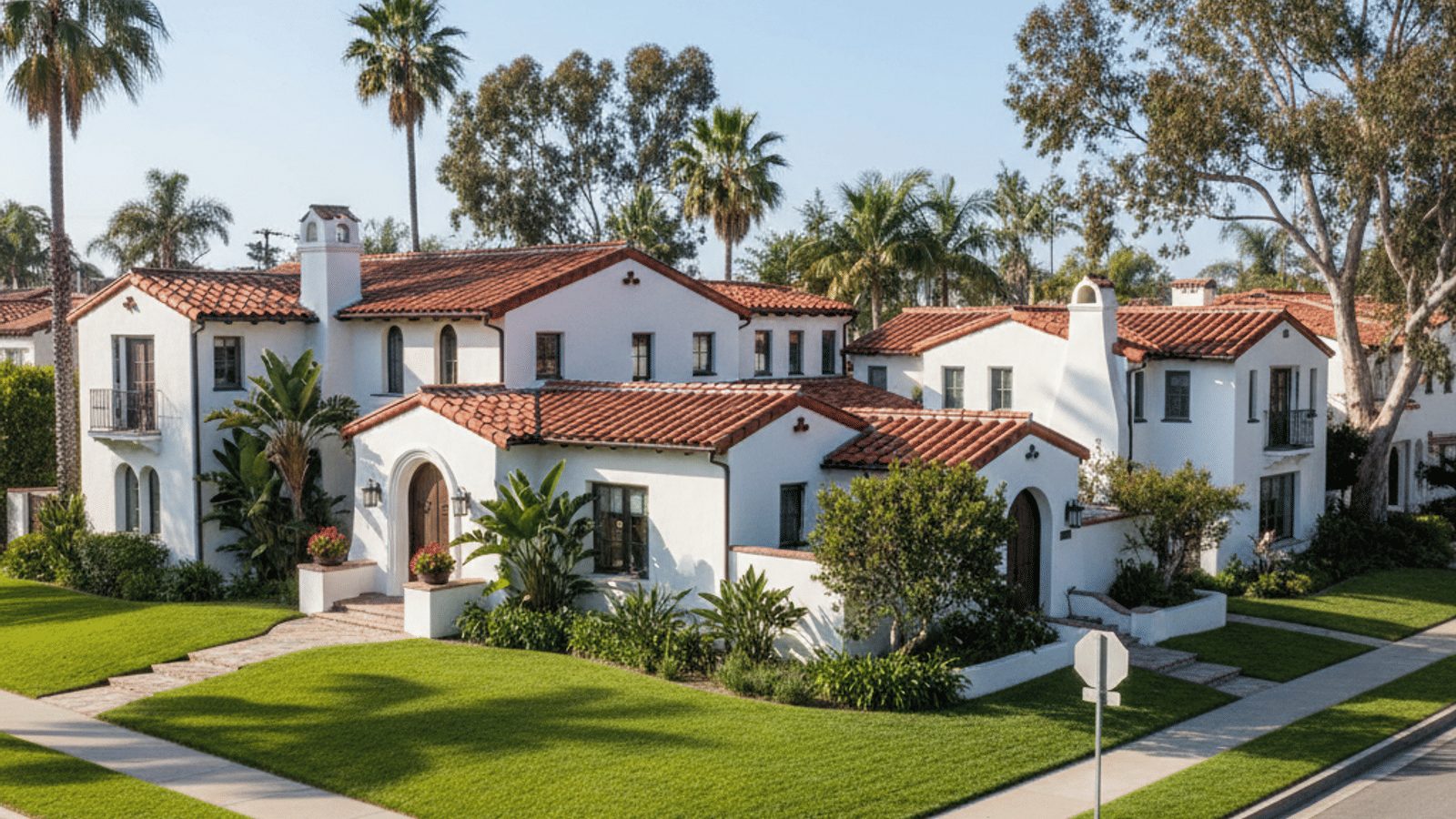
Orange County coastal towns are famous for their mild conditions, and San Clemente sits right in the sweet spot. The Weather and Climate in San Clemente, CA attract buyers looking to escape extreme seasonal shifts while staying close to major employment centers in Los Angeles and San Diego.
While inland areas regularly see summer temperatures push past 90 degrees, this coastal stretch stays much cooler. Buyers moving from out of state often find that the consistent ocean breeze completely changes how they use their homes and outdoor spaces.
## A Look at Year-Round Temperatures
San Clemente features a Mediterranean climate characterized by dry summers and mild winters. Average winter lows hover around 44 to 50 degrees, requiring little more than a light jacket during morning walks. By mid-day, winter temperatures routinely reach the mid-60s.
Summer brings warmer conditions without the oppressive humidity found in other coastal regions across the country. Average highs peak between 75 and 83 degrees during August and September. This narrow temperature range allows residents to keep their windows open for most of the year.
The lack of extreme heat means utility bills often look different here compared to inland neighborhoods. Many older homes along the coast rely solely on ocean breezes rather than central air conditioning. Buyers should look at a home’s ventilation and window placement when evaluating properties without modern HVAC systems.
## Precipitation and Ocean Conditions
The city receives about 10 to 14 inches of rain annually, well below the national average. Most of this precipitation arrives between December and March, often in the form of brief showers followed by clear skies. The dry ground and hillside topography mean homeowners should ensure their drainage systems are clear before the winter months begin.
Residents enjoy between 280 and 310 sunny days per year. This consistent sunshine drives the local lifestyle and keeps outdoor recreation active regardless of the month. Ocean water temperatures follow a predictable seasonal pattern alongside the air temperature.
During the winter, the Pacific Ocean drops to around 58 degrees, requiring wetsuits for surfers and swimmers. By late August and early September, water temperatures peak near 72 degrees. This late-summer warming trend creates ideal conditions for beachgoers long after traditional summer vacation periods end.
## The Reality of Spring Marine Layers
Late spring introduces a specific weather pattern known across Southern California as “May Gray” and “June Gloom.” During these months, a thick marine layer rolls in overnight and covers the coastline in morning fog. This coastal cloud cover keeps morning temperatures cool and blocks the early sun.
The fog usually burns off between noon and 2:00 PM, revealing clear blue skies for the remainder of the afternoon. Buyers touring homes during spring mornings often assume the area is perpetually overcast. The marine layer is a temporary daily cycle that breaks by mid-day.
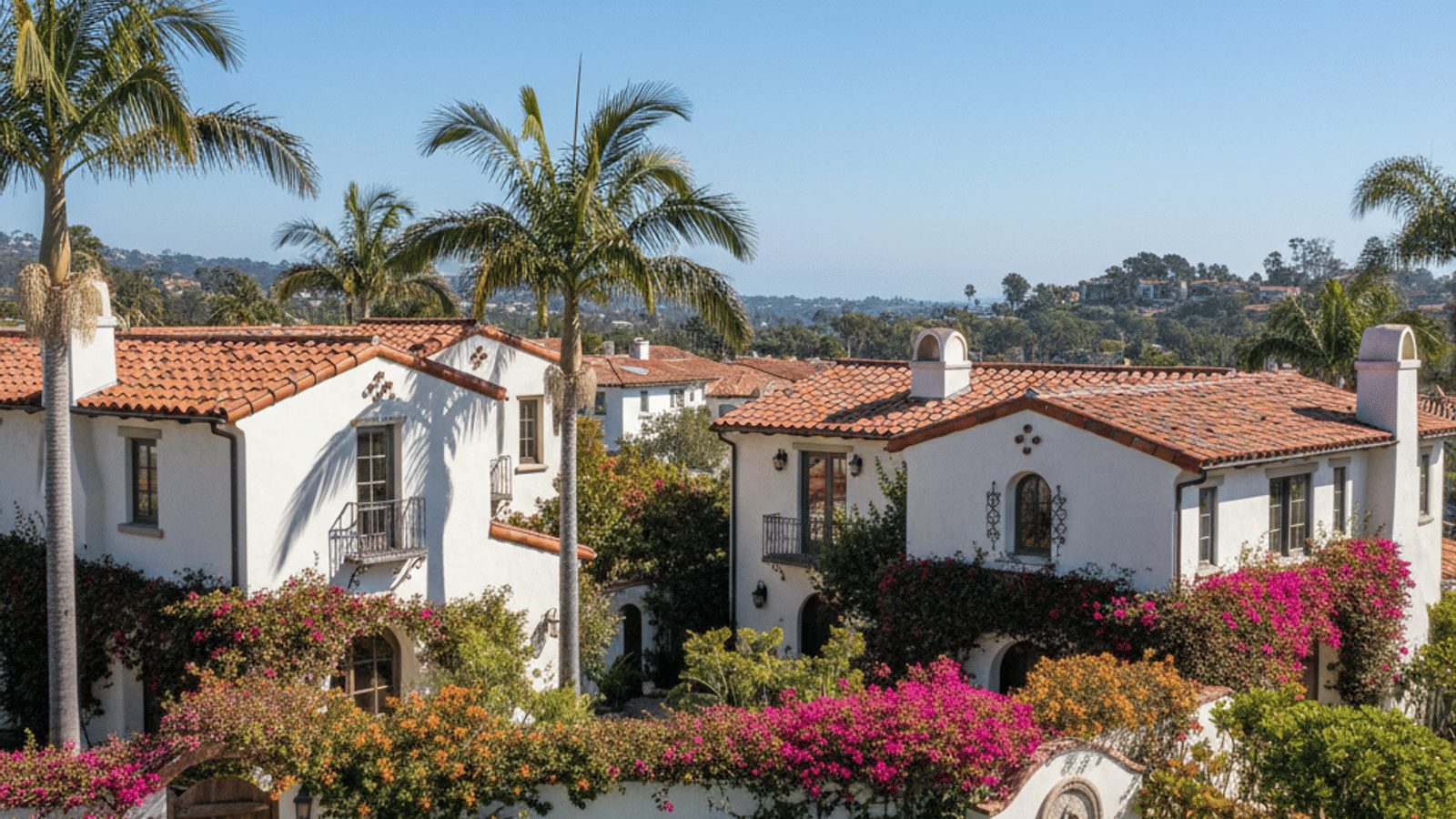
These cloudy mornings serve a practical purpose by keeping the start of summer from becoming too hot too quickly. The moisture from the marine layer also helps sustain local plant life before the dry summer months take over completely.
## How Ocean Air Impacts Your Home
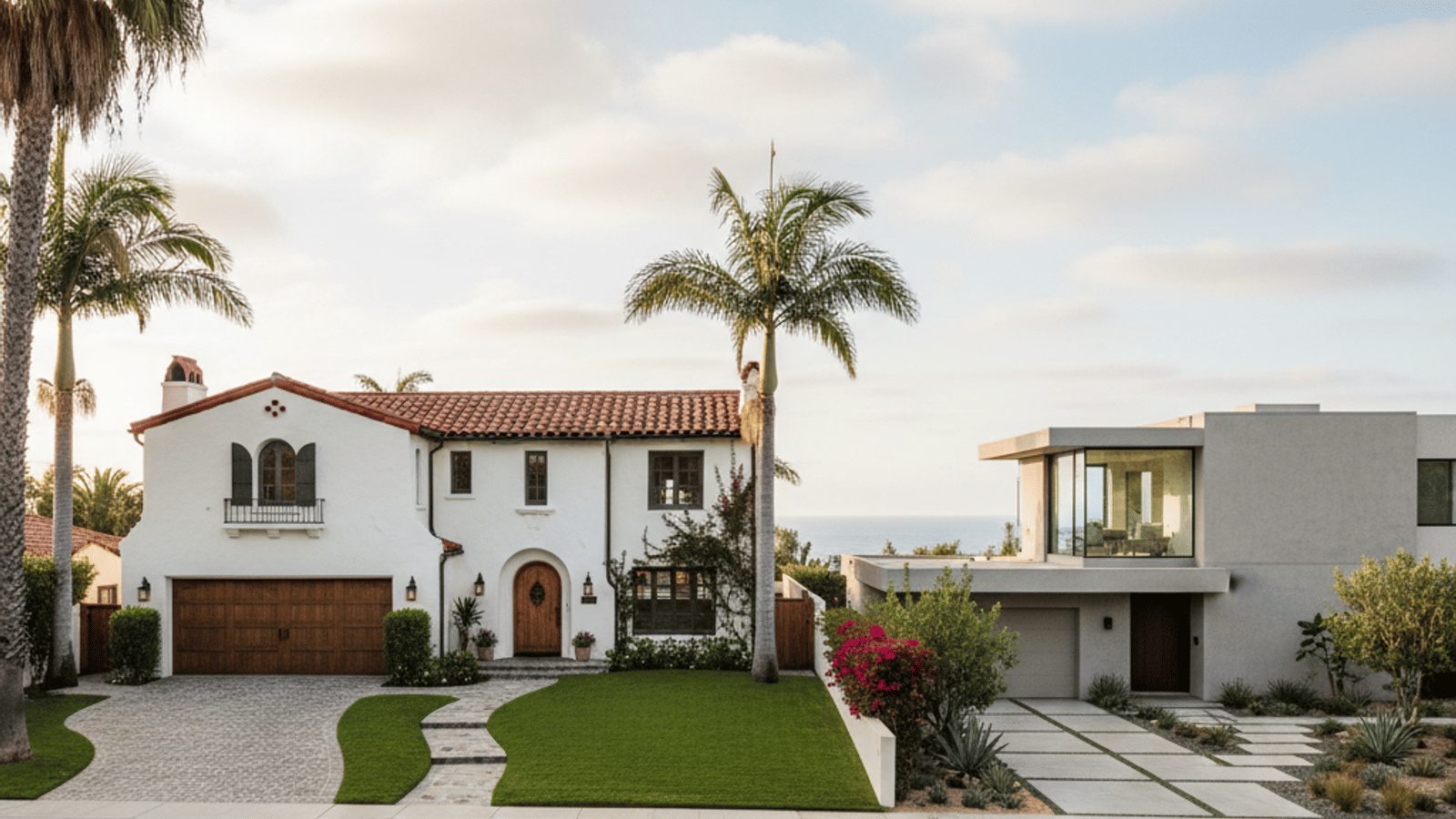
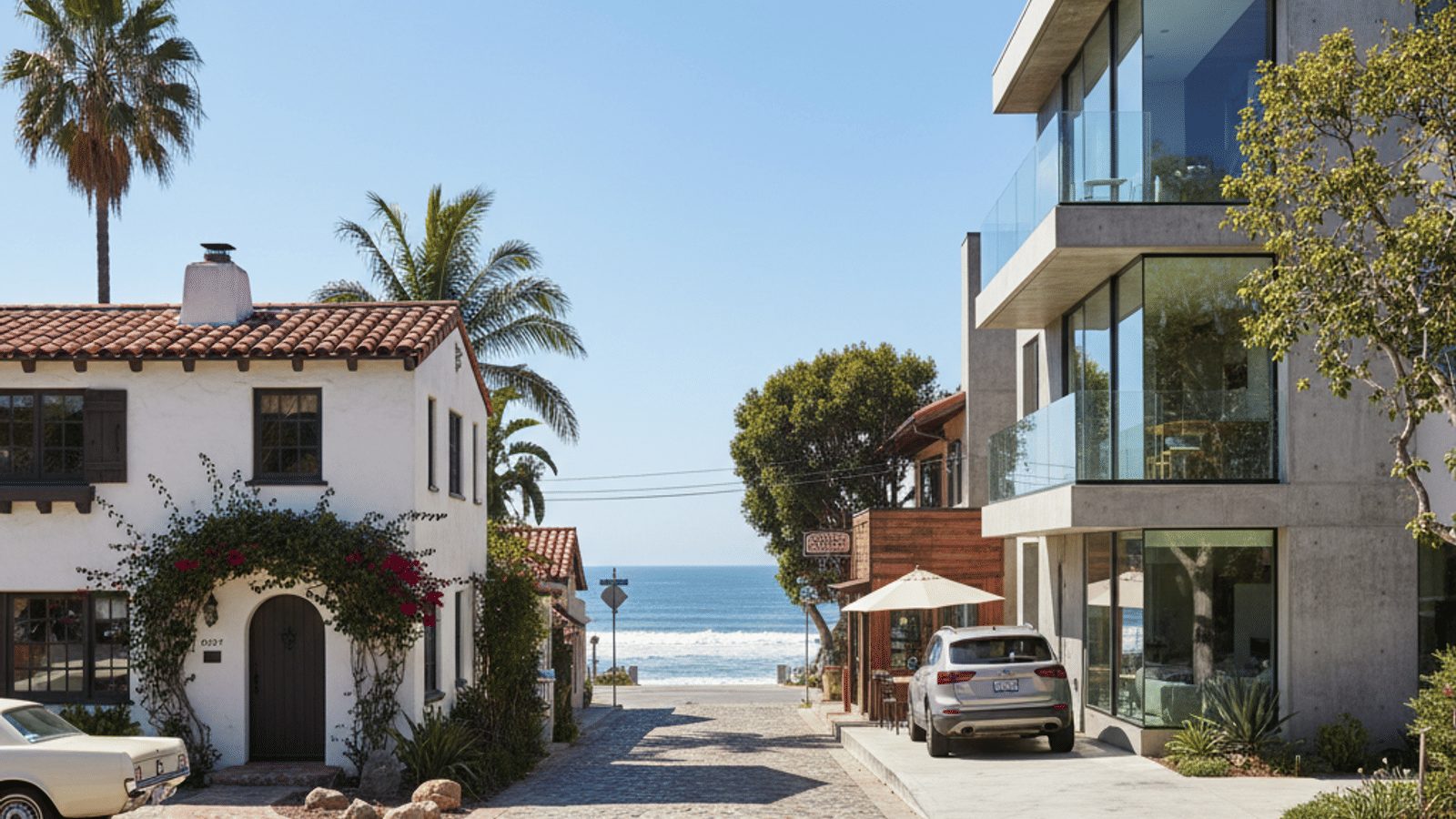
Buying a home near the Pacific Ocean means dealing with salt air and coastal moisture. The proximity to the water changes how properties wear over time and dictates specific maintenance routines. Buyers should account for these coastal elements when budgeting for home upkeep.
Materials that perform well inland often degrade faster when exposed to constant ocean breezes. Upgrading to weather-resistant exterior finishes can save homeowners expensive repair costs down the line.
* **Exterior hardware:** Standard metals rust quickly near the water, so homeowners should install marine-grade stainless steel or brass fixtures.
* **Paint and siding:** Salt accumulation breaks down exterior paint, requiring more frequent pressure washing and touch-ups than inland homes.
* **HVAC systems:** While heating and cooling demands are lower, outdoor condenser units need regular cleaning to prevent salt corrosion on the coils.
* **Window materials:** Fiberglass and high-grade vinyl frames withstand coastal moisture far better than traditional wood or standard aluminum.
## Local Amenities and Outdoor Access
The predictable conditions make it easy to plan outdoor activities months in advance. The San Clemente Beach Trail offers a 2.3-mile path directly along the sand, popular with runners and cyclists. This unpaved trail connects several access points and runs parallel to the coastal train tracks.
The San Clemente Pier serves as a central hub for fishing, dining, and sightseeing throughout the year. Because the weather rarely forces businesses to close, the restaurants and shops near the pier maintain steady foot traffic in both January and July.
Just south of the downtown area, San Clemente State Beach provides camping and hiking options. The mild winter temperatures make this state park just as functional in December as it is during the peak summer season.
## Common Questions About Local Weather
### Does San Clemente get a lot of rain?
No, the area is quite dry, averaging only 10 to 14 inches of precipitation each year. The vast majority of this rain falls during the winter months. By late spring, the forecast shifts back to consistent sunshine and dry conditions.
### What is the best time of year to visit or buy a home in San Clemente, CA?
September and October offer some of the clearest skies and warmest ocean temperatures of the year. Visiting during the fall allows buyers to skip the spring marine layer and the peak summer tourist crowds. House hunters can get a true sense of the daily coastal breeze and neighborhood traffic patterns during these months.