# The True Cost of Living in San Clemente, CA: 2026 Budget Expectations
Moving to South Orange County means planning for premium real estate prices and higher daily expenses. The cost of living in San Clemente, CA, reflects its coastal location, direct beach access, and established infrastructure. The city sits exactly halfway between Los Angeles and San Diego, making it a strategic location for commuters.
Buyers and renters looking at this market in 2026 need to look beyond the purchase price or monthly rent. Property taxes, utility rates, and community fees all play a major role in your total monthly housing costs. A complete budget requires factoring in state income taxes, local sales tax, and daily transportation expenses.
Understanding these numbers early helps you set an accurate budget. Here is a detailed look at what residents pay for housing, taxes, and daily expenses.
The local economy in Orange County remains strong in 2026, supporting these higher property values. Prospective residents should evaluate their income against these fixed local costs before starting a property search.
## How San Clemente Expenses Compare to State and National Averages
The national average for living expenses operates on a baseline score of 100. San Clemente scores between 164 and 208 on this index, depending on the data source. This means overall living costs run roughly 38% to 64% higher than the national average in 2026.
Housing expenses are the primary driver behind this elevated index. While categories like healthcare and utilities score closer to the national baseline, the real estate market skews the final number. A high housing index is standard for California coastal communities.
When compared to the rest of California, San Clemente still sits above the state average. Everyday goods and services align closely with broader Orange County pricing. The local real estate market pushes the overall index upward compared to inland cities.
Transportation costs also factor into the local index. California gas prices consistently rank among the highest in the country, and vehicle registration fees follow suit. Commuters should budget for these premiums when calculating their true monthly expenses.
Beyond the cost of housing and daily goods, buyers should account for local sales tax. The sales tax rate in San Clemente is 7.75%, which applies to most retail purchases and restaurant meals. This rate combines the California state tax with local county and city levies.
## Current Housing Costs for Renters and Buyers
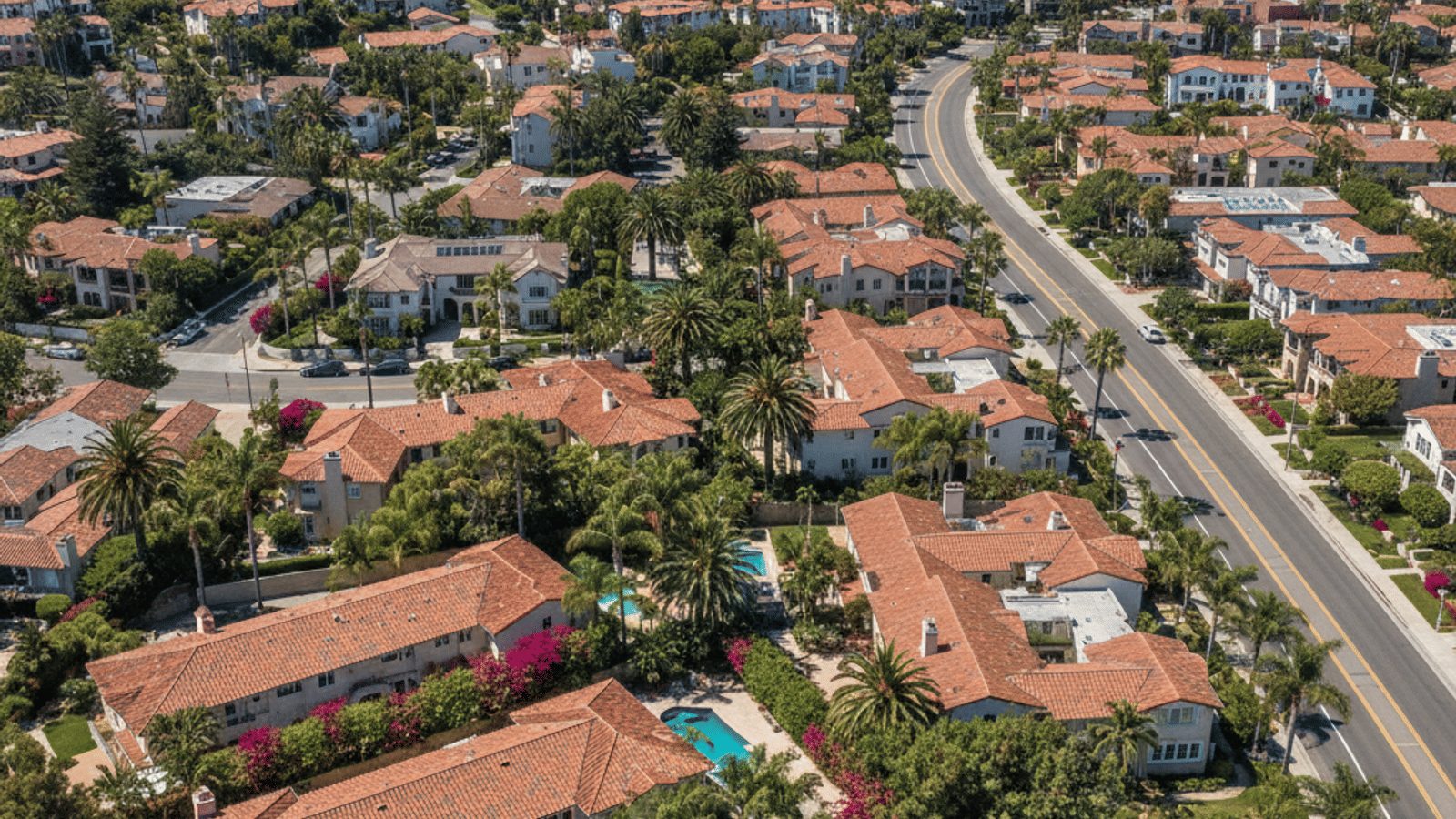
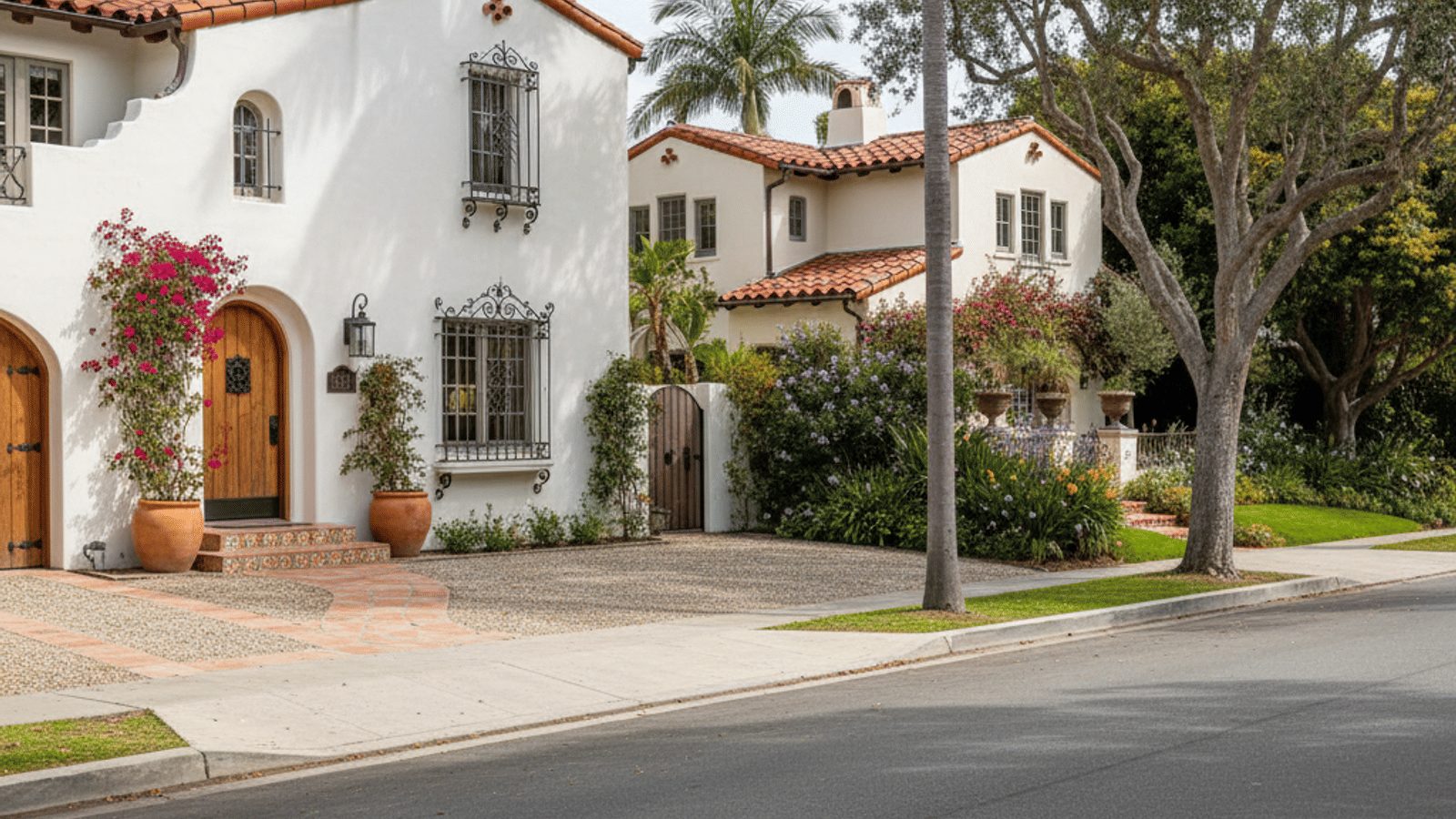
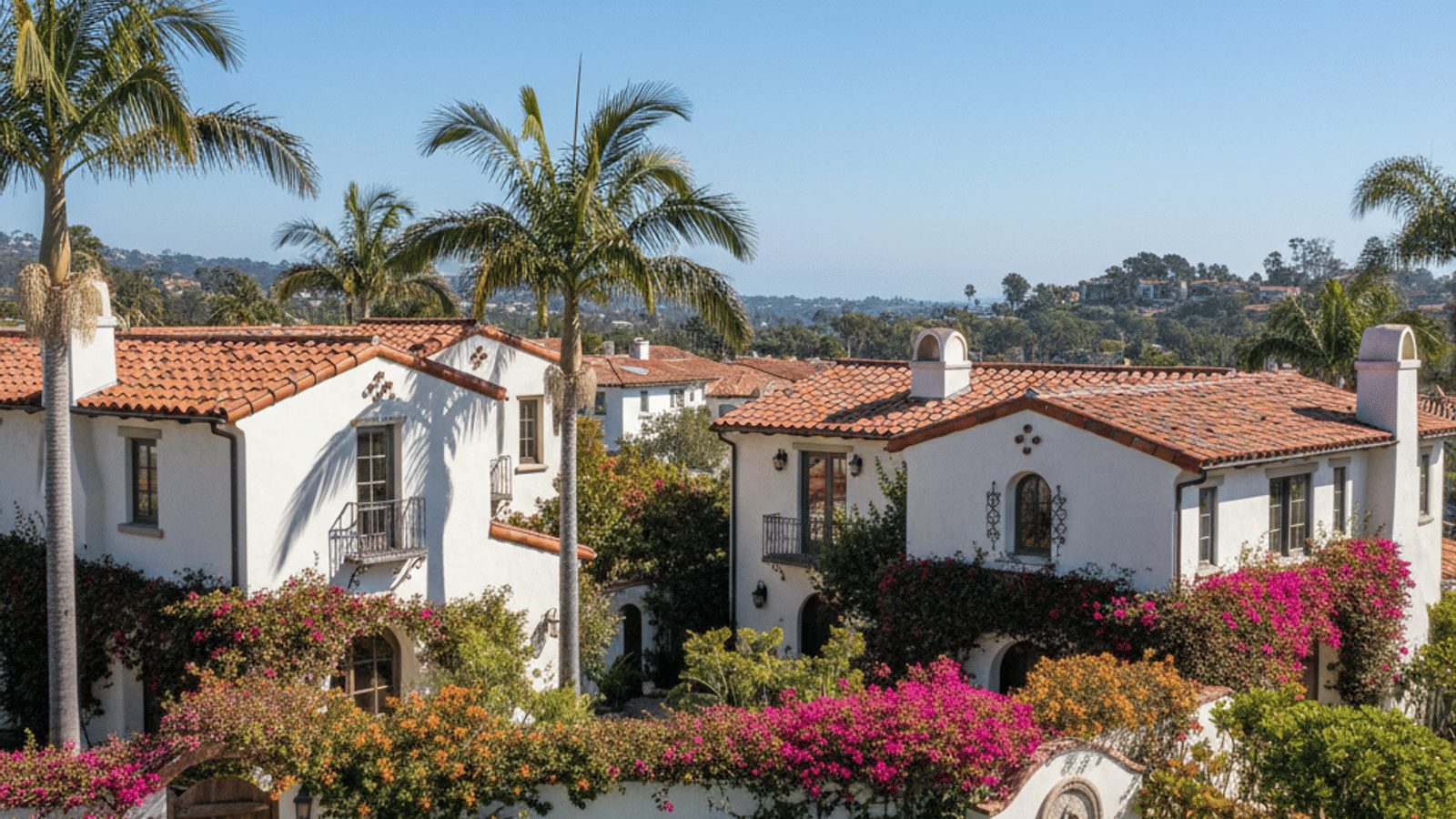
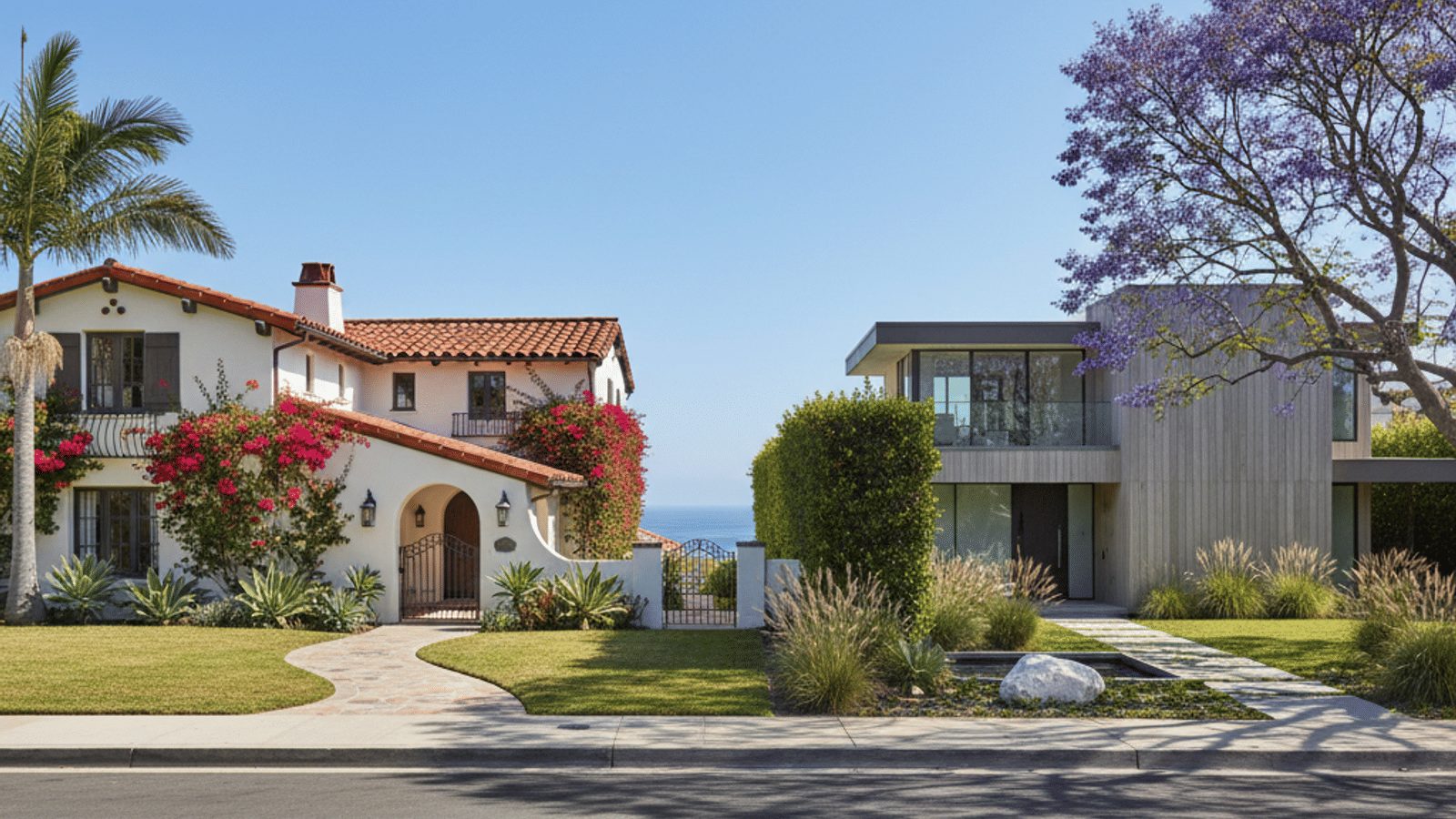
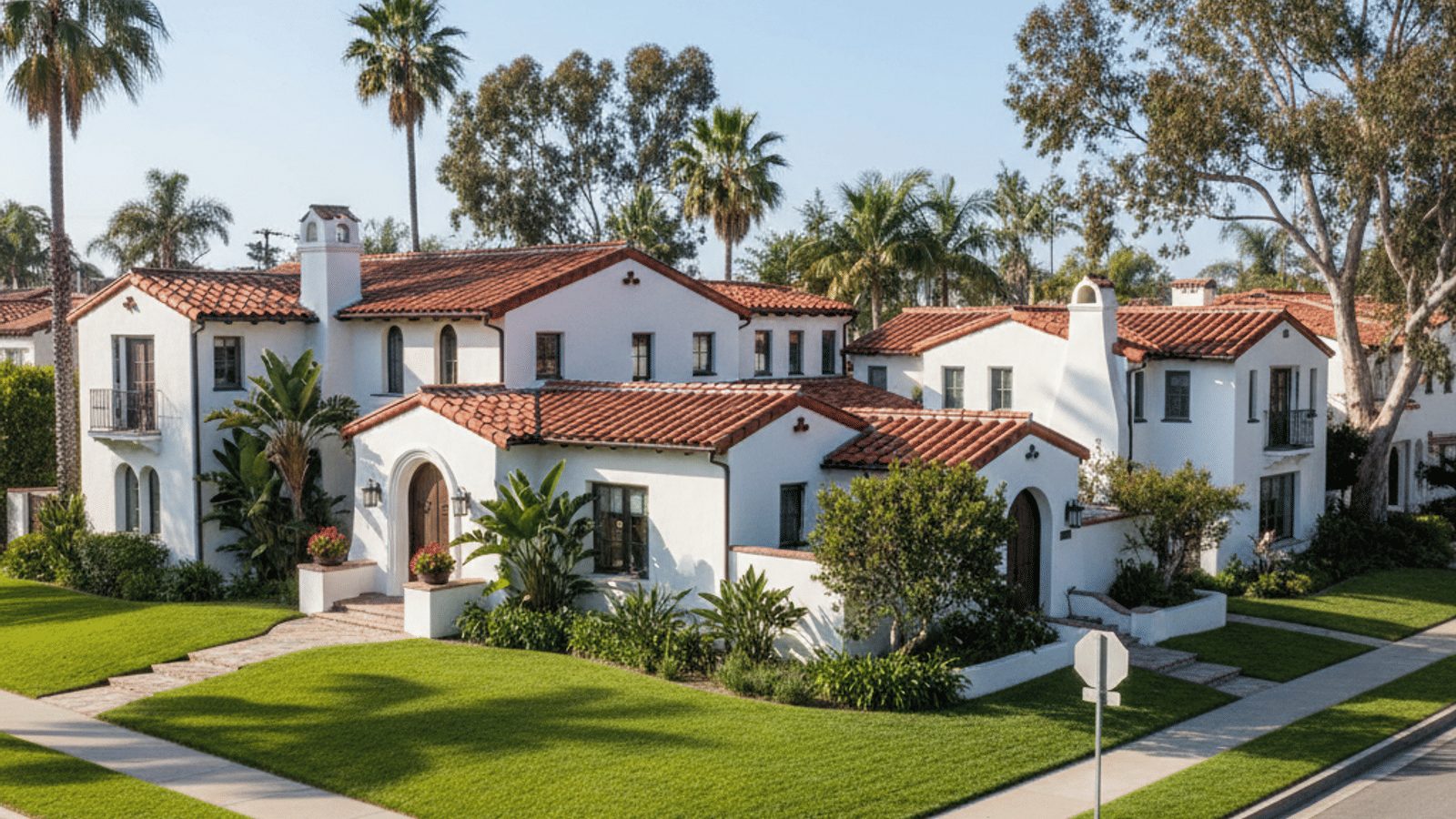
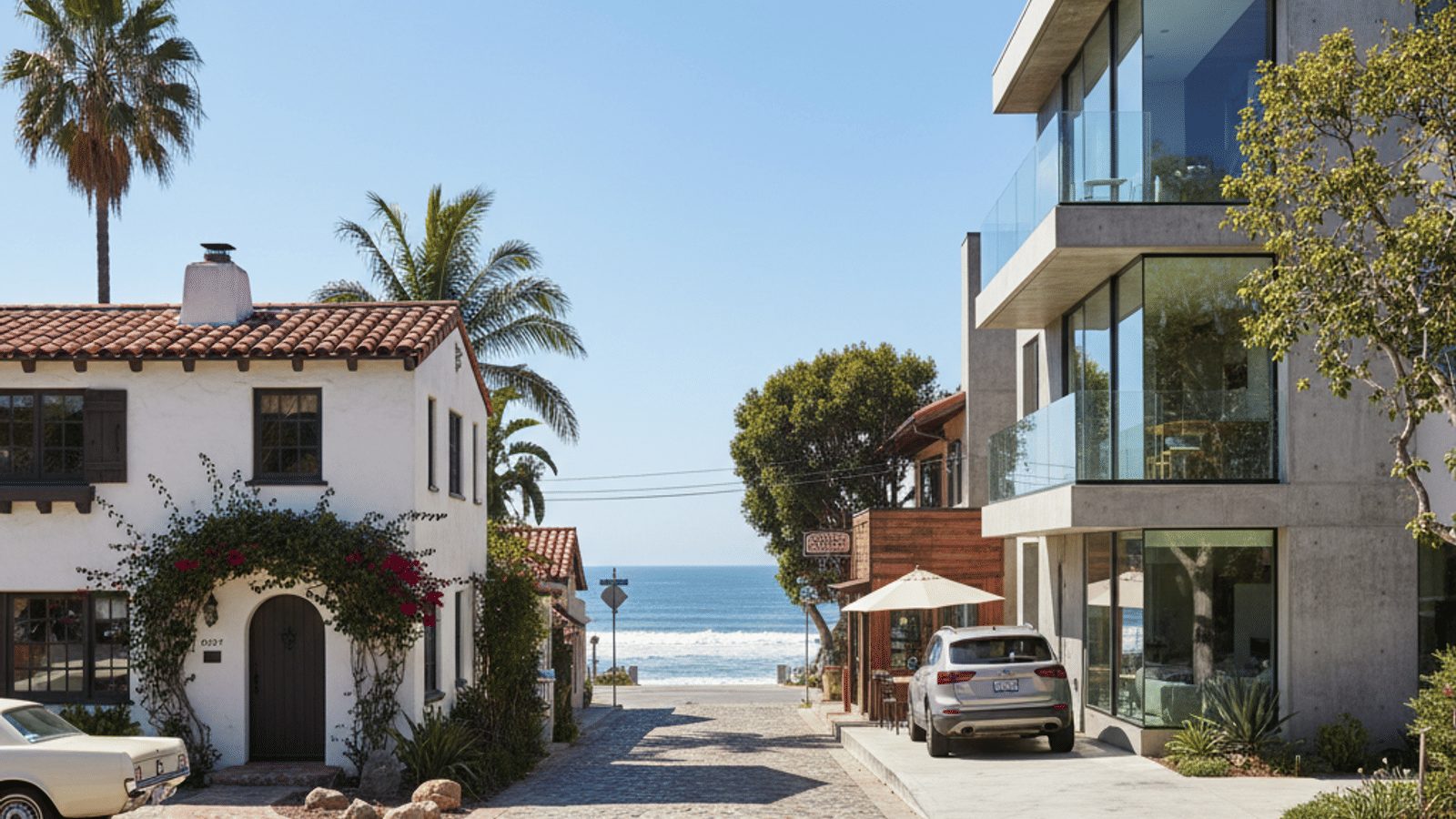
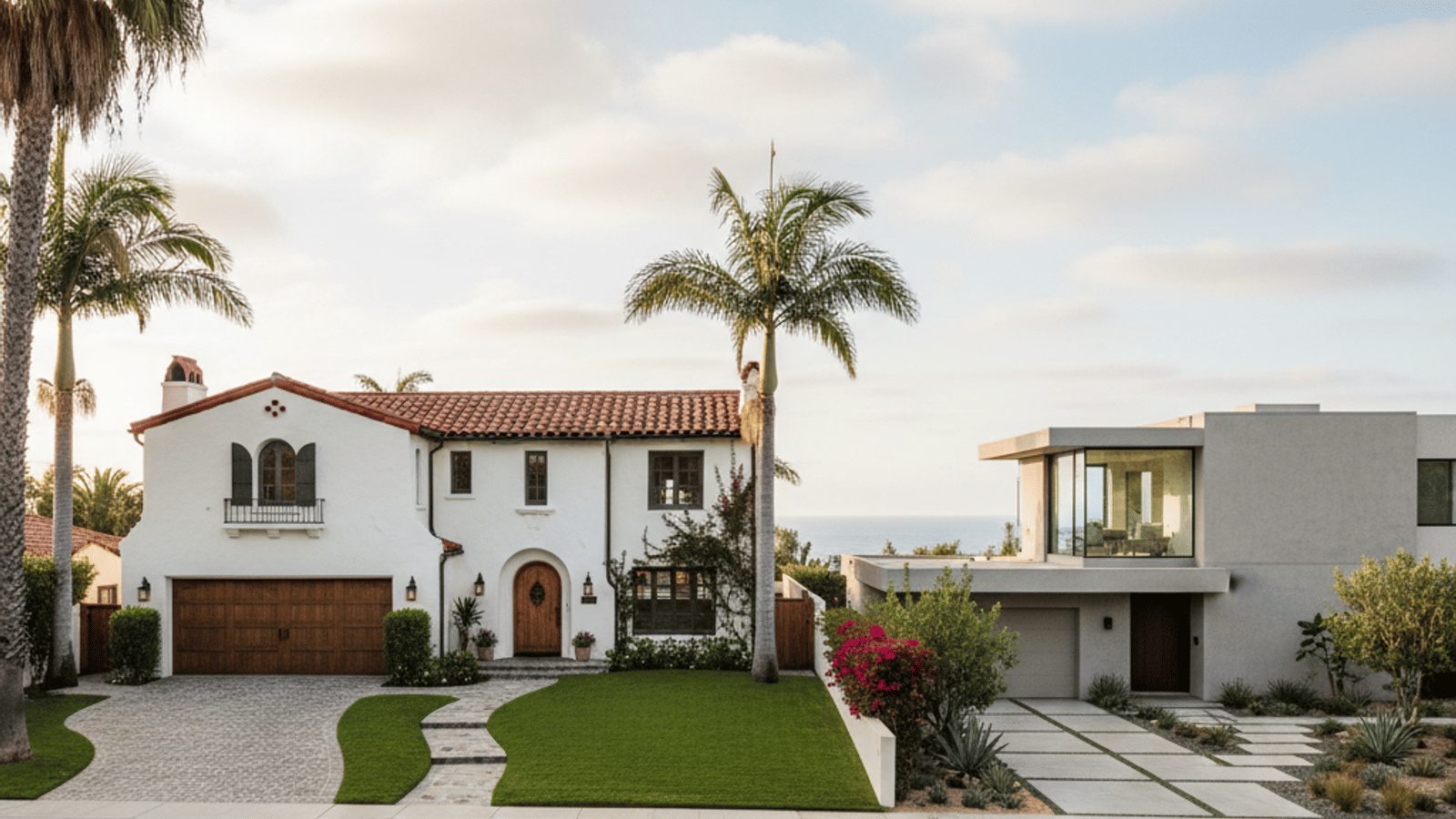
As of May 2026, the median home price in San Clemente sits between $1.7 million and $2.1 million. This range covers a wide variety of property types, from older coastal properties to newer inland developments. Inventory includes classic Spanish Colonial Revival architecture alongside modern construction.
A detached single-family home generally commands a higher price than an attached property. Buyers looking for a more affordable entry point often target a condo. Condominiums in the area frequently sell between $800,000 and $1.2 million, depending on proximity to the ocean.
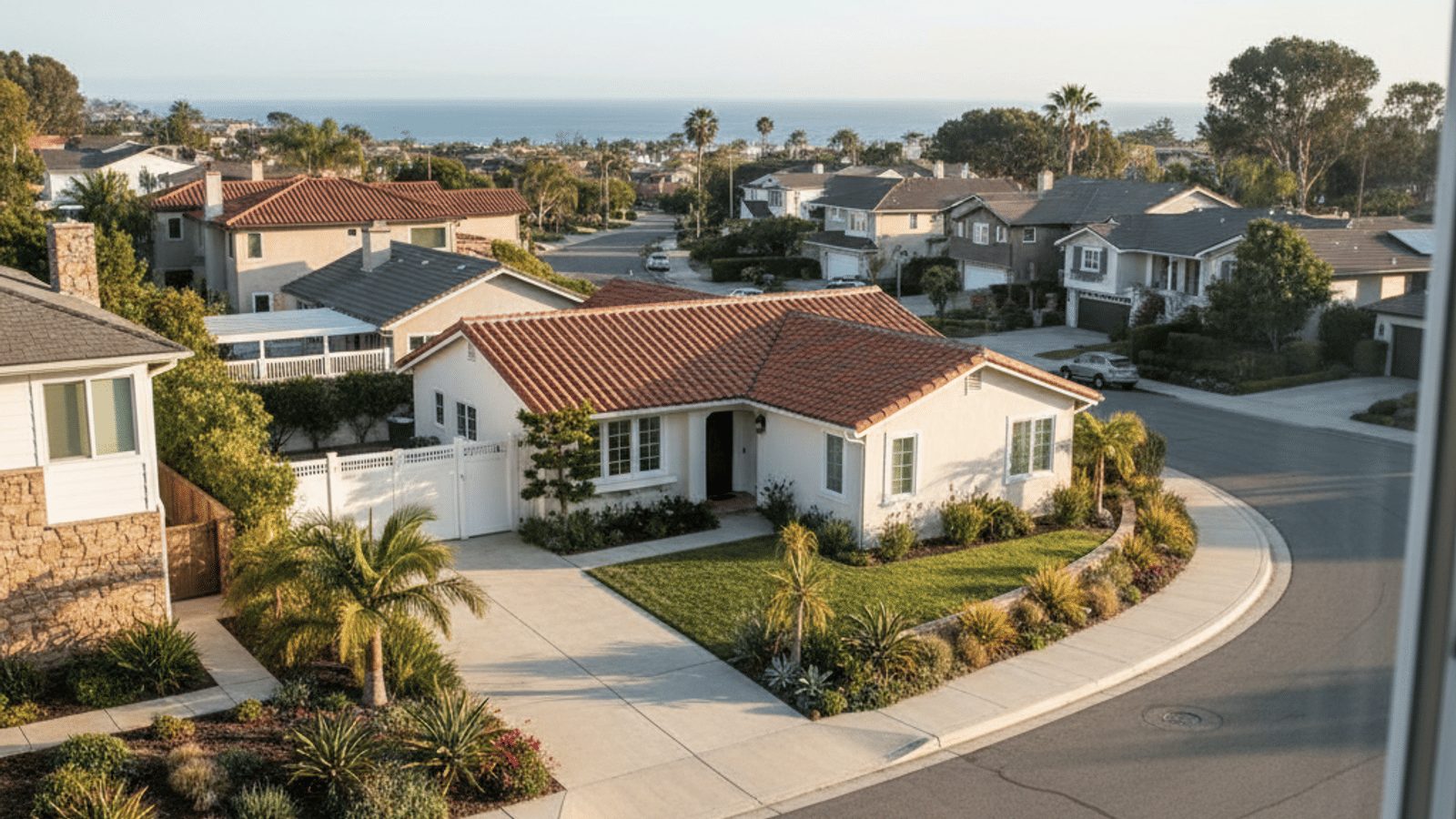
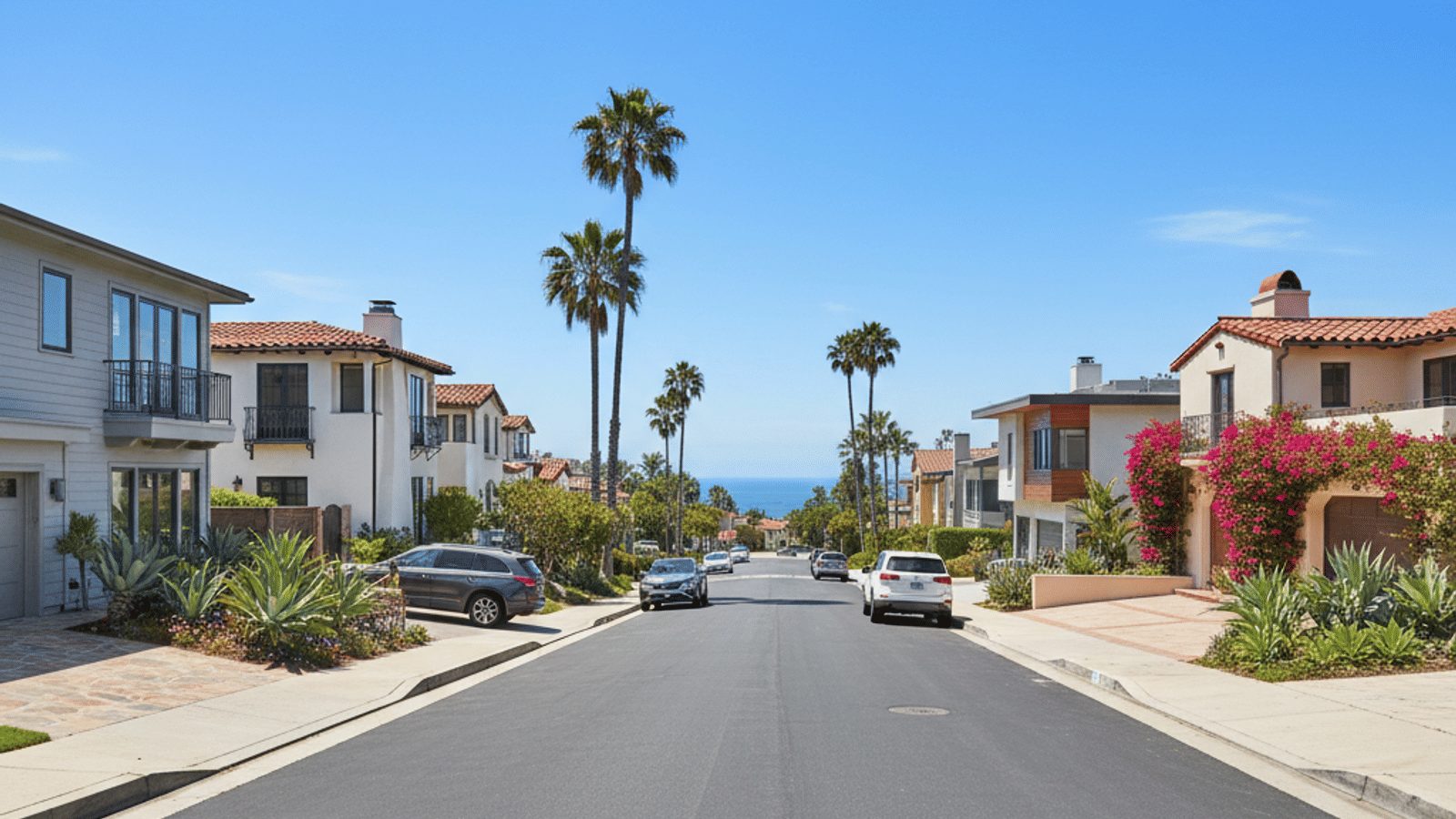
Location plays the largest role in determining specific property values. Homes located west of Interstate 5 command the highest premiums due to ocean proximity and walkability to the beach. Properties east of the freeway offer larger lot sizes and newer construction at a slightly lower price per square foot.
The rental market reflects these high property values. The average monthly rent for an apartment is around $2,447. Most apartment complexes are located closer to the downtown corridor and the Interstate 5 freeway.
When you factor in larger single-family home rentals, the overall median rent for the city rises to roughly $4,350 per month. Renters should expect to pay premium rates for properties offering ocean views or direct beach trail access. Security deposits on these larger homes often equal one to two months of rent.
## Property Taxes, Mello-Roos, and Association Fees
The base property tax rate in San Clemente is 1.01% of the assessed property value. California’s Proposition 13 limits how much this assessed value can increase each year. This law caps annual property tax increases at 2%, unless the home changes ownership or undergoes major construction.
This provides long-term homeowners with predictable tax bills even as market values climb. A buyer purchasing a $2 million home today will pay roughly $20,200 in annual base property taxes. That baseline figure remains relatively stable for the duration of ownership.
Buyers looking at newer master-planned communities must factor in additional assessments. Neighborhoods like Talega and Sea Summit include Mello-Roos taxes. These special assessments fund local infrastructure projects like roads, schools, and fire stations.
These areas also require homeowners association fees to cover the maintenance of shared amenities. HOA dues typically pay for community pools, tennis courts, and landscaping for common areas. You should review the specific HOA fees and Mello-Roos schedules for any property before making an offer.
When purchasing a home, buyers and sellers must also account for closing costs. Orange County imposes a documentary transfer tax of $1.10 per $1,000 of the property’s sale price. This is a one-time fee paid at closing, typically negotiated between the buyer and seller.
## Budgeting for Utilities, Groceries, and Commuting
Daily living expenses in Orange County add up quickly outside of your mortgage or rent payment. Residents need to budget for standard utilities, food, and transportation costs. A local real estate agent can request past utility bills from a seller, giving you a clear picture of what a specific house costs to run.
Internet and cellular service plans generally match national pricing, but physical utilities cost more. Water rates in Southern California frequently fluctuate based on drought conditions and municipal supply. Here are the typical monthly expenses you can expect:
* **Utilities:** Average basic utilities run about $246 per month for a standard home or apartment, covering electricity, water, and trash service.
* **Groceries:** Food costs align with broader Southern California averages, often running 10% to 15% above the national baseline.
* **Commuting:** Most residents use Interstate 5 for daily driving, while the San Clemente Metrolink station offers a rail alternative to Los Angeles or San Diego.
Commuters using the toll roads in South Orange County will also need to account for FasTrak fees. State Route 73 and the 241 Toll Road offer faster inland routes but require a prepaid transponder account. Working locally or remotely removes these transit costs entirely.
Entertainment and dining out also reflect the coastal California premium. A meal at a mid-range restaurant along Avenida Del Mar will cost more than a similar meal in an inland suburb. Budgeting for these lifestyle expenses ensures you can enjoy local amenities without financial stress.
## Public Amenities, Schools, and Healthcare Access
The city maintains an extensive network of public spaces and recreational facilities. Residents have access to major outdoor areas like San Clemente State Beach and the San Clemente Pier. The coastal trail provides a paved pedestrian route running parallel to the ocean.
Inland neighborhoods feature community parks like San Gorgonio Park and Talega Park. These spaces offer sports fields, playgrounds, and miles of hiking trails connecting the canyons. These public amenities are funded in part by the local tax base and community fees.
Public education in the area is managed by the Capistrano Unified School District. The district operates multiple elementary, middle, and high schools within the city limits. San Clemente High School serves as the primary secondary education facility for local students.
For medical needs, residents utilize local urgent care centers and nearby hospital networks. Providence Mission Hospital in neighboring Mission Viejo serves as the primary medical center for major healthcare services. MemorialCare Saddleback Medical Center in Laguna Hills provides another nearby option for specialized treatments.
The city also provides indoor public facilities for residents. The San Clemente Library and the local community center host events and provide resources year-round. These municipal services operate through the county library system and local city funding.
## Frequently Asked Questions
### What is the median home price in San Clemente, CA?
As of mid-2026, buyers can expect median purchase prices to fall between $1.7 million and $2.1 million. Detached houses in master-planned developments sit at the higher end of this range, while older attached units offer a lower entry price.
### How much are average utility bills in San Clemente?
A standard monthly utility bill runs approximately $246 for basic services like electricity, water, and trash. Homes with private pools or extensive irrigation systems will see higher monthly water and power costs.
### What is the property tax rate in San Clemente?
The standard effective property tax rate is 1.01% of the property’s assessed value. Properties in newer developments may carry additional Mello-Roos assessments that increase your total annual tax burden.