You’re scrolling through listings in south Orange County and every other one flashes a second price tag: “HOA $245” or “HOA $503.” It feels like a mystery cover charge. Is it a rip-off or a life-saver? I live in the neighborhood, write checks to two different associations every month, and have argued in more than one clubhouse meeting, so I’ll pull the curtain back. By the end you’ll know what that line item really buys in Ladera Ranch, when it stings, and how to spot the trap doors before you wire an earnest-money deposit.
What’s the Damage?
First things first: numbers. In Ladera Ranch you’ll usually see three lanes of pricing.
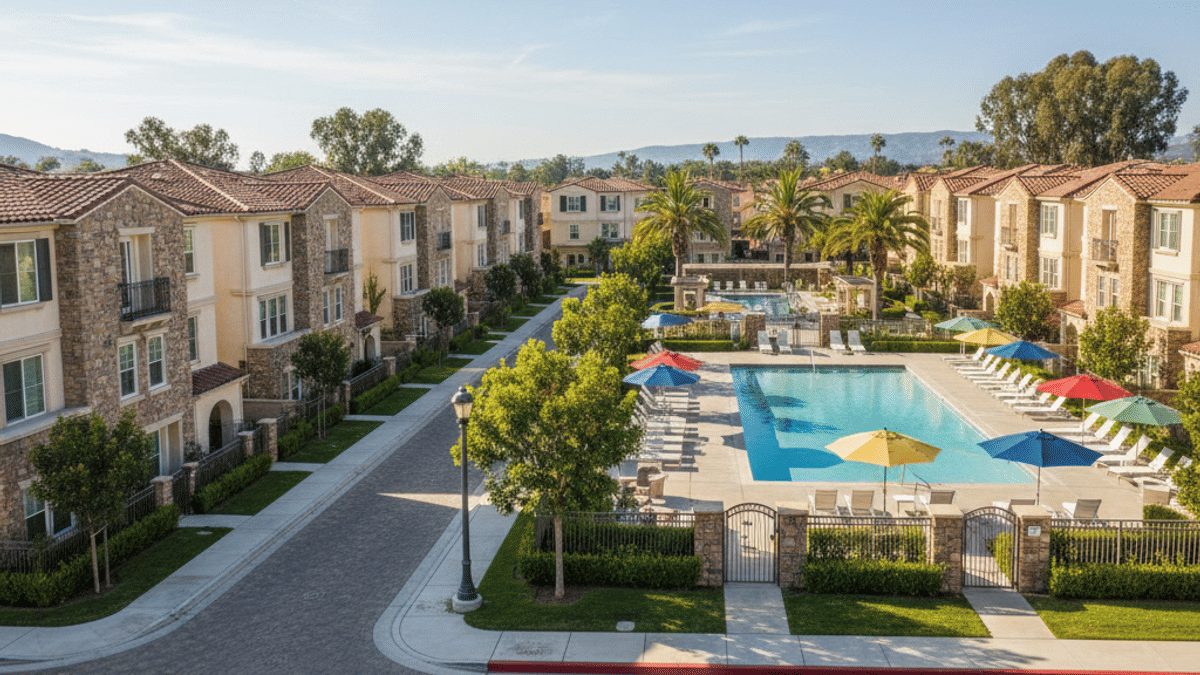
- Condo buildings: $250 to $490 per month
- Attached townhomes and courtyard clusters: $200 to $400
- Gated single-family tracts with pools, pocket parks, and private streets: $180 to $340
Notice the scary-wide ranges. That’s not a typo. The spread happens because Ladera Ranch is a master-planned maze with layers. Every roof here sits inside a master association, and many addresses also sit inside a smaller sub-association. Master fee: roughly $235 today. Sub-association fees: anywhere from zero to an extra $275 depending on how fancy or old the enclave is. Add them together and that’s the sticker you see on the listing sheet.
Important caveat. Averages do not tell you if the place is run well or if the paint is peeling behind the clubhouse. They only tell you what other owners are paying right now. Your job is to dig deeper.
Where the Money Goes
You hand over a couple of hundred bucks monthly. What happens next?
- Landscaping crews keep the greenbelts, rose beds, and pepper trees trimmed. If you hate mowing, this alone can feel like money well spent.
- Pools, splash pads, tennis courts, walking trails, and the big water park stay open, cleaned, and chlorinated.
- Exterior insurance is bundled. Fire, earthquake riders in some clusters, liability for the playground swings, plus directors and officers insurance for the board.
- Roofs, siding, exterior paint, balcony railings, fences. The sub-association handles these in most condo and townhome pockets. Single-family homes usually handle their own exterior but still chip in for private road upkeep and gate motors.
- Management company contract. They collect dues, pay vendors, and mail those cheery violation letters.
Sounds complete, right? Not quite.
Things you still pay yourself: your interior insurance, utilities unless the complex shares water or trash, your patio repairs, and anything cosmetic behind your front door. Also, if the board votes for new hallway carpet next year and the reserve fund is light, guess who writes a bonus check? You.
When the Bill Creeps Up
HOA fees are not a cable plan locked for two years. They drift. In Ladera Ranch three forces push them higher.
Insurance. Wildfires in 2020 freaked out carriers. Premiums spiked twenty to forty percent in a single renewal cycle. Some boards swallowed that hit by raising dues ten bucks a month. Others slapped everyone with a one-time, six-hundred-dollar assessment. Same disaster, two very different pain levels.
Deferred maintenance. Plenty of early-2000s stucco looks fine from the street yet hides wood-rot behind fake shutters. When termite reports finally land on a board agenda, reserves run short and owners fund the gap. Five hundred here, twelve hundred there. If you bought last month you still pay like everyone else.
Underfunded reserves. California recommends reserves hit seventy percent of future repair needs. A few Ladera boards sit at thirty or forty. They keep dues pretty today and pray nobody notices. Then a boiler fails. A special assessment appears. Neighbors curse in the parking lot. You do not want that story.
Reading HOA Financial Tea Leaves
Poke around before you fall in love with the farmhouse sink. Ask for:
- The most recent full budget and year-to-date variance report
- Reserve study summary with a percent-funded figure
- Last twelve months of board meeting minutes
- Insurance declaration pages
- A delinquency report, basically how many neighbors are behind on dues
Now grab a red pen. Low reserves under fifty percent, high delinquency over ten percent, or meeting notes full of vendor lawsuits and emergency roof tarps? Fees are about to climb. On the flip side, a healthy association bumps dues three to five percent annually and stays boring. Boring is good.
Another trick. Tour the complex at 7 a.m. Sprinklers on, grass edged, pool gates locked? The management company is on its game. Rusty light fixtures, dead lawn stripes, incessant gate beeping? Budget cuts. Soon your dues chase the decay.
Homework for Buyers
A short checklist keeps you out of trouble.
- Verify what the master insurance covers. If walls-in coverage stops at the studs you will need a beefier HO-6 policy.
- Ask whether any major capital projects are approved but not yet funded. Think interior repipes or deck waterproofing.
- Confirm how often the board raises dues. Some increase a timid two percent each year, others freeze fees until an assessment nukes everyone’s savings account.
- Peek at rental caps, pet limits, parking rules. Money aside, unbending regulations can ruin the dream faster than a cracked spa heater.
- Look at the age of big-ticket items. Roof under fifteen years old? Good. Pool plaster pushing twenty? Budget for a resurface.
Do these steps feel tedious? Yep. Do them anyway. Sellers rarely volunteer ugly HOA gossip and your lender rarely catches it.
Comparing HOA Life to No-HOA Life
Plenty of buyers tell me, “I’ll skip all this and find a house with no HOA.” Fair. Just run the math honestly.
No HOA means you cut checks yourself for exterior paint every eight years, roof every twenty-five, lawn service weekly, liability insurance on the big oak tree, plus private trash pickup if the street is not city maintained. When you dollar-cost average those chores it often lands between two hundred and three hundred monthly. Quite close to a simple master-only HOA fee in Ladera.
The difference: fee money is mandatory and scheduled. Solo maintenance is optional until something fails. If you are disciplined and love weekend projects, freedom wins. If you procrastinate, the HOA might save you from your own bad habits.
So… Are They Worth It?
Here’s my take after a decade of check writing.
HOA fees in Ladera Ranch feel steep at first blush. They also keep the community pools sparkling, the hillsides trimmed, and property values stubborn. I have watched two neighboring towns deal with brown medians and sagging fences because no one collected a dime for common upkeep. Ladera owners dodge that hassle.
The fees are worth it only when three boxes stay checked: solid reserves, transparent boards, responsive management. Miss any one and the sunny fee turns into a dark hole. Your job as a buyer is to decide if the association you are eyeing hits the trifecta. Pull the docs, walk the grounds, and talk to two current residents before daydreaming about moving trucks.
If everything lines up, pay the dues, grab a pool key fob, and never worry about pruning a citrus tree again. If it doesn’t, keep scrolling. Plenty of other listings sit one page away.
You now know the real story behind HOA fees Ladera Ranch. Use it, grill your agent, and land in a home that makes both your wallet and your weekends happy.