You want numbers. I get it. Right now the median home in Dana Point sits about 99 days before it changes hands. Last year the same place probably would have moved in 39. Those two stats alone make your head spin. They also hide the real story—because the stopwatch doesn’t actually start (or finish) when the “Days on Market” line on Zillow says it does.
So let’s rip the lid off the tidy charts and talk about how long it really takes to sell a home in Dana Point, from the first cracked paint chip you patch to the moment the wire hits your bank account.
The Local Vibe: Why Dana Point Plays by Its Own Rules
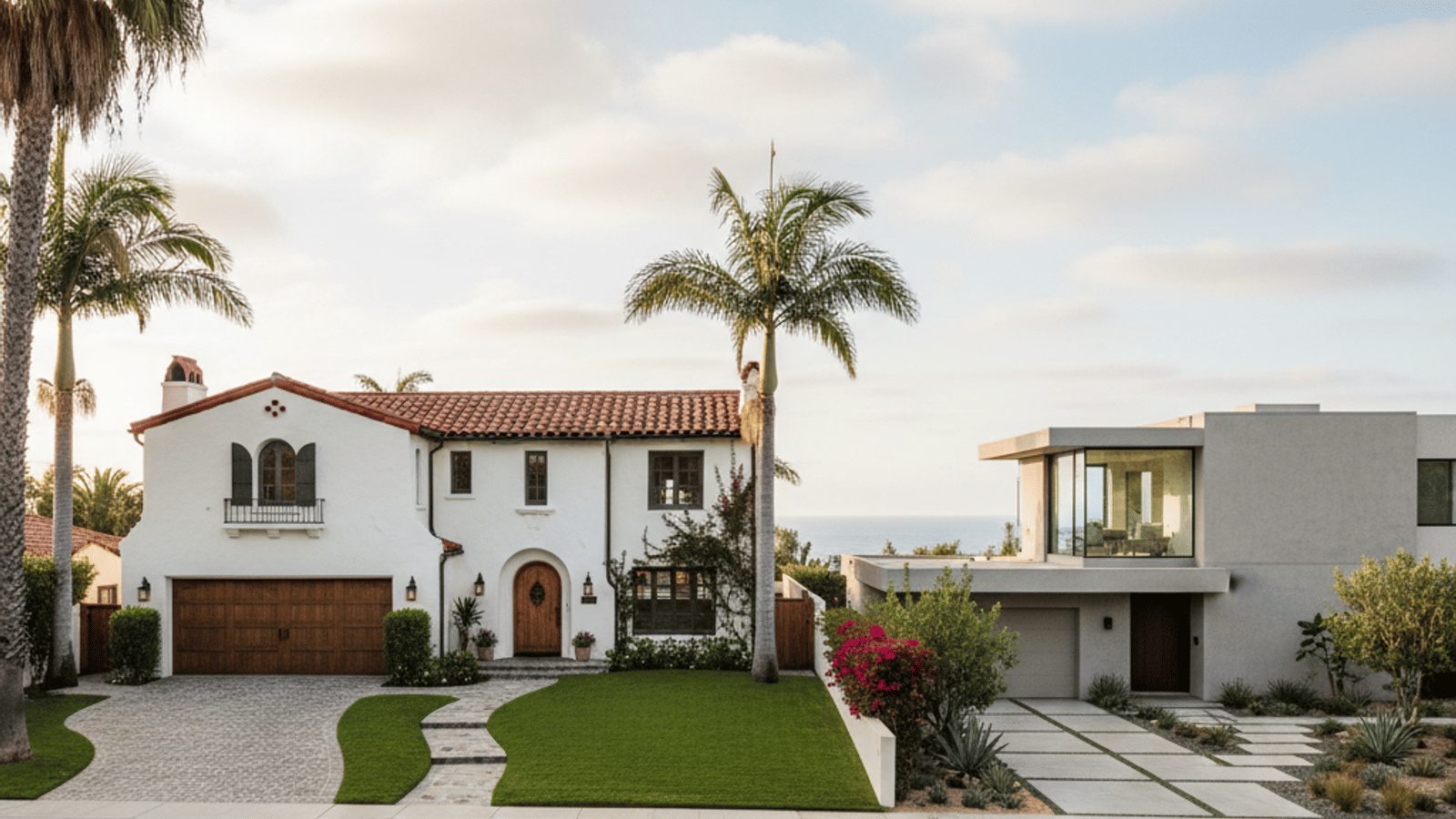
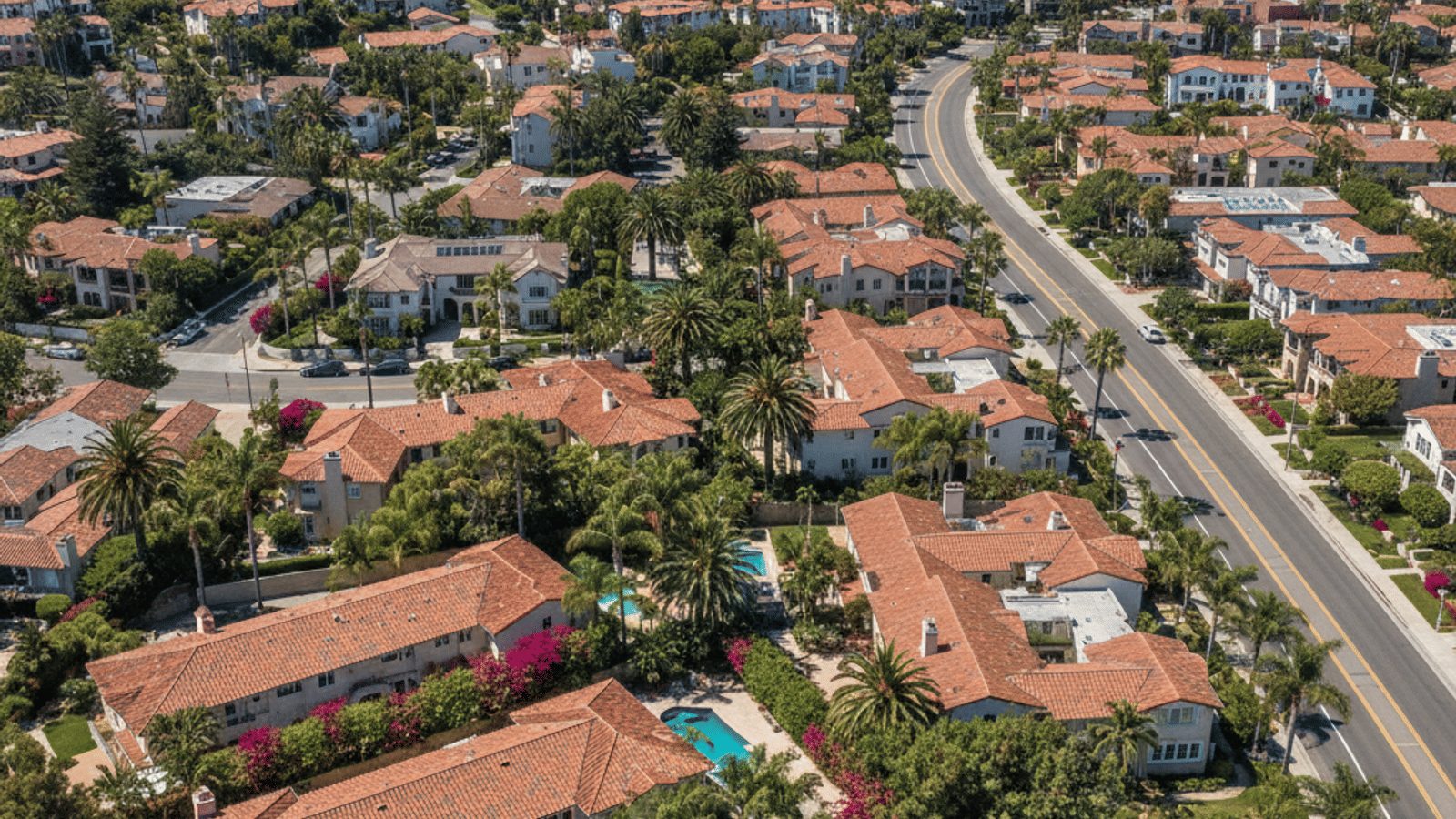
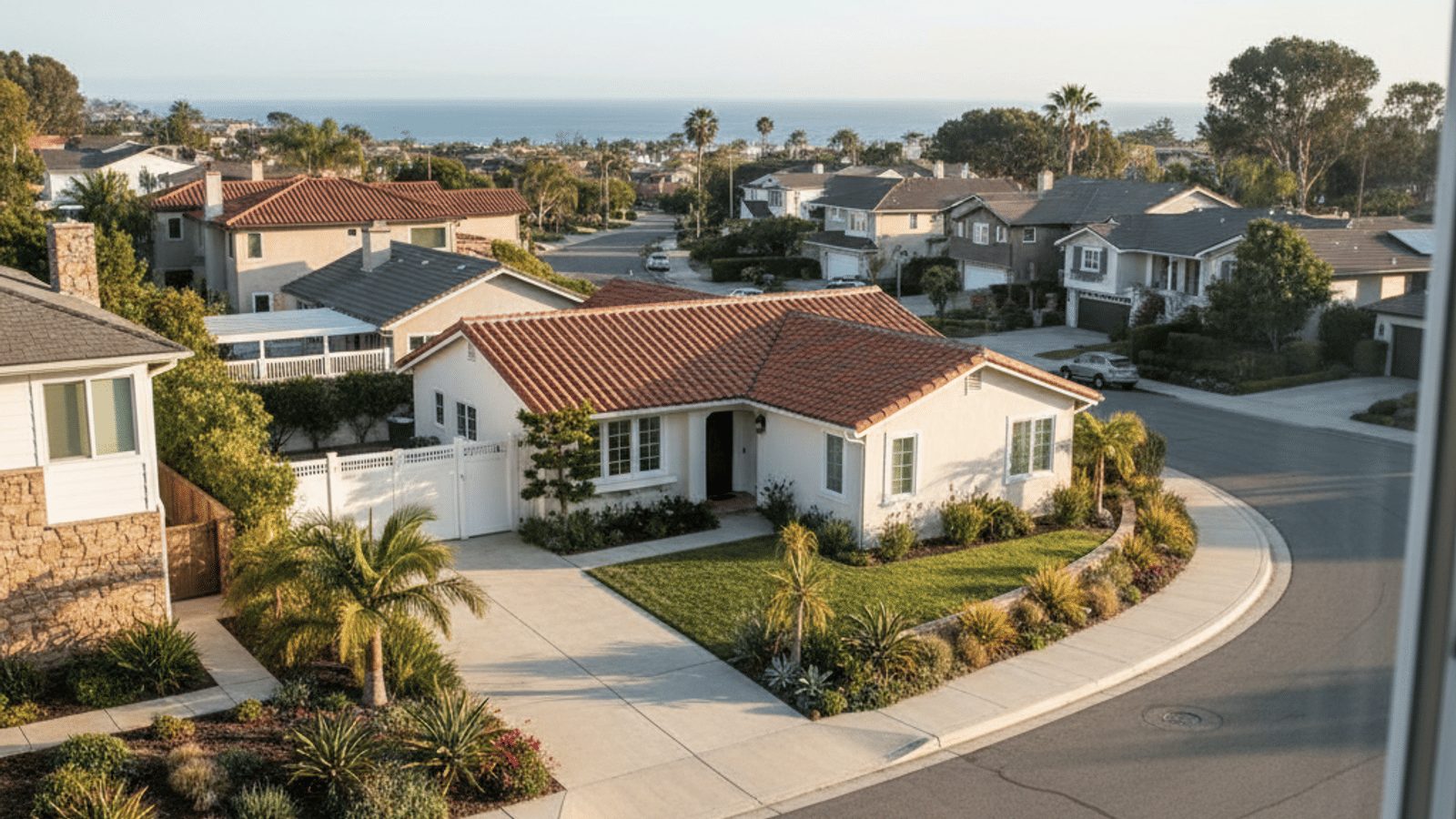
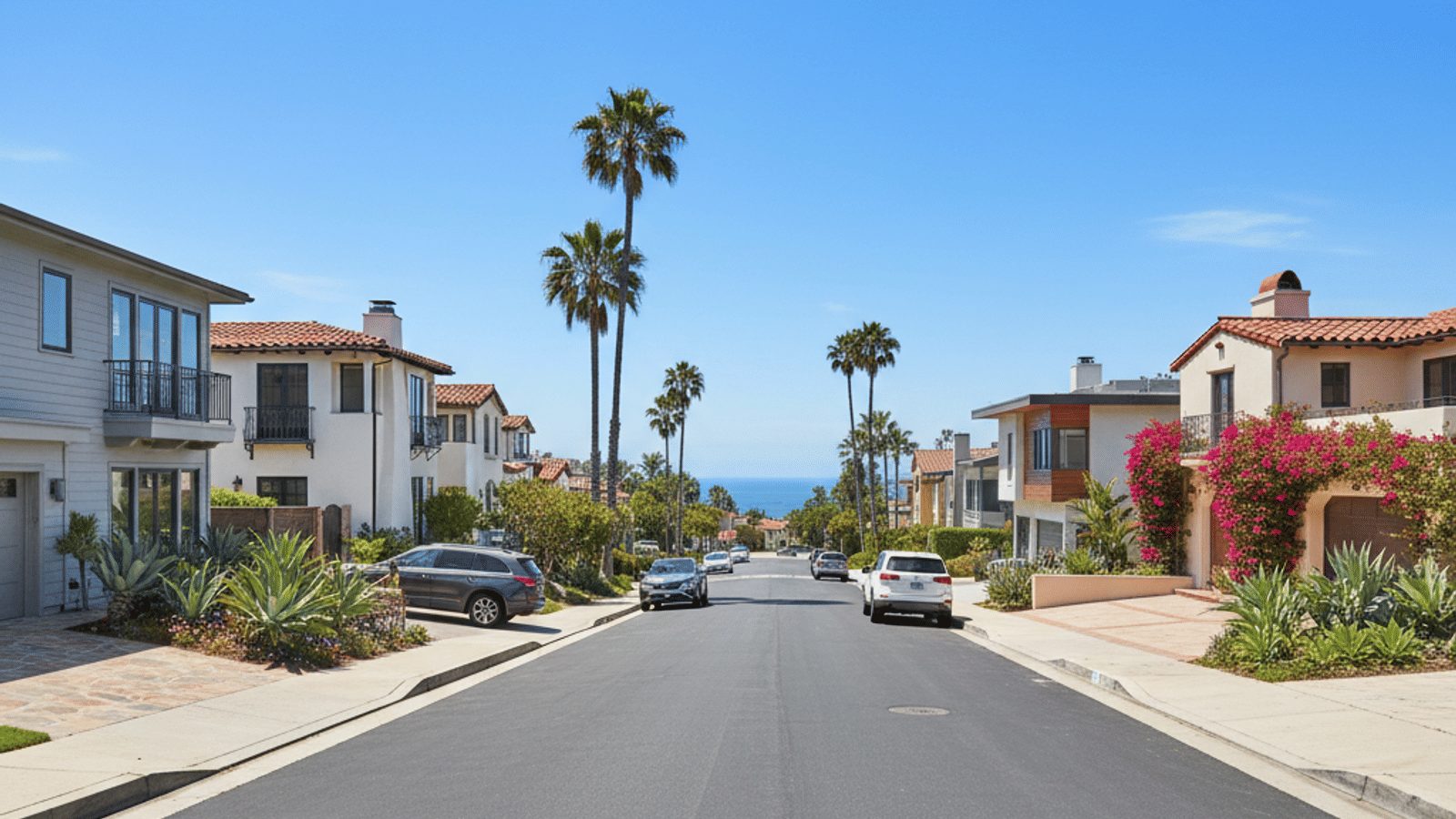
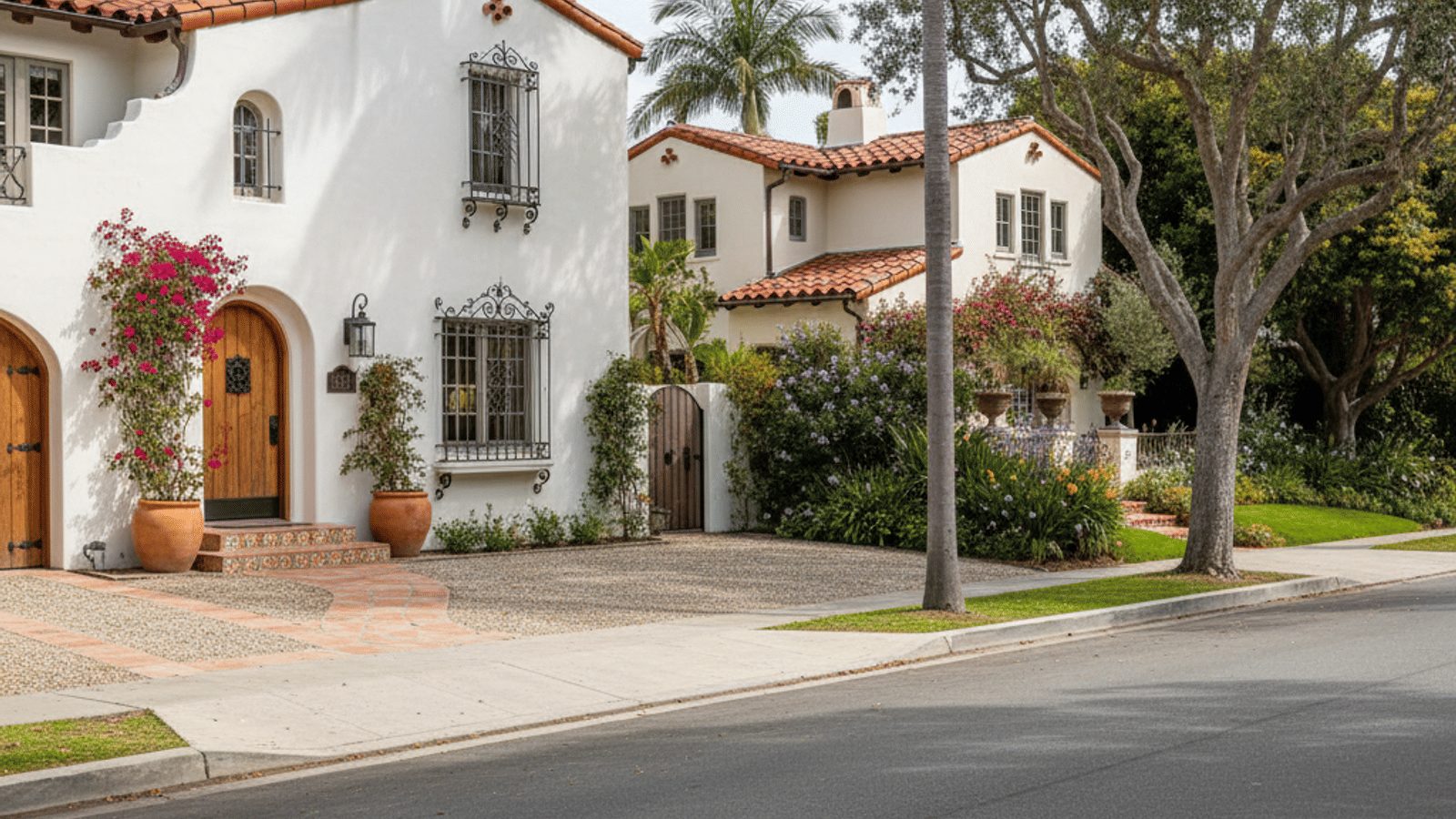
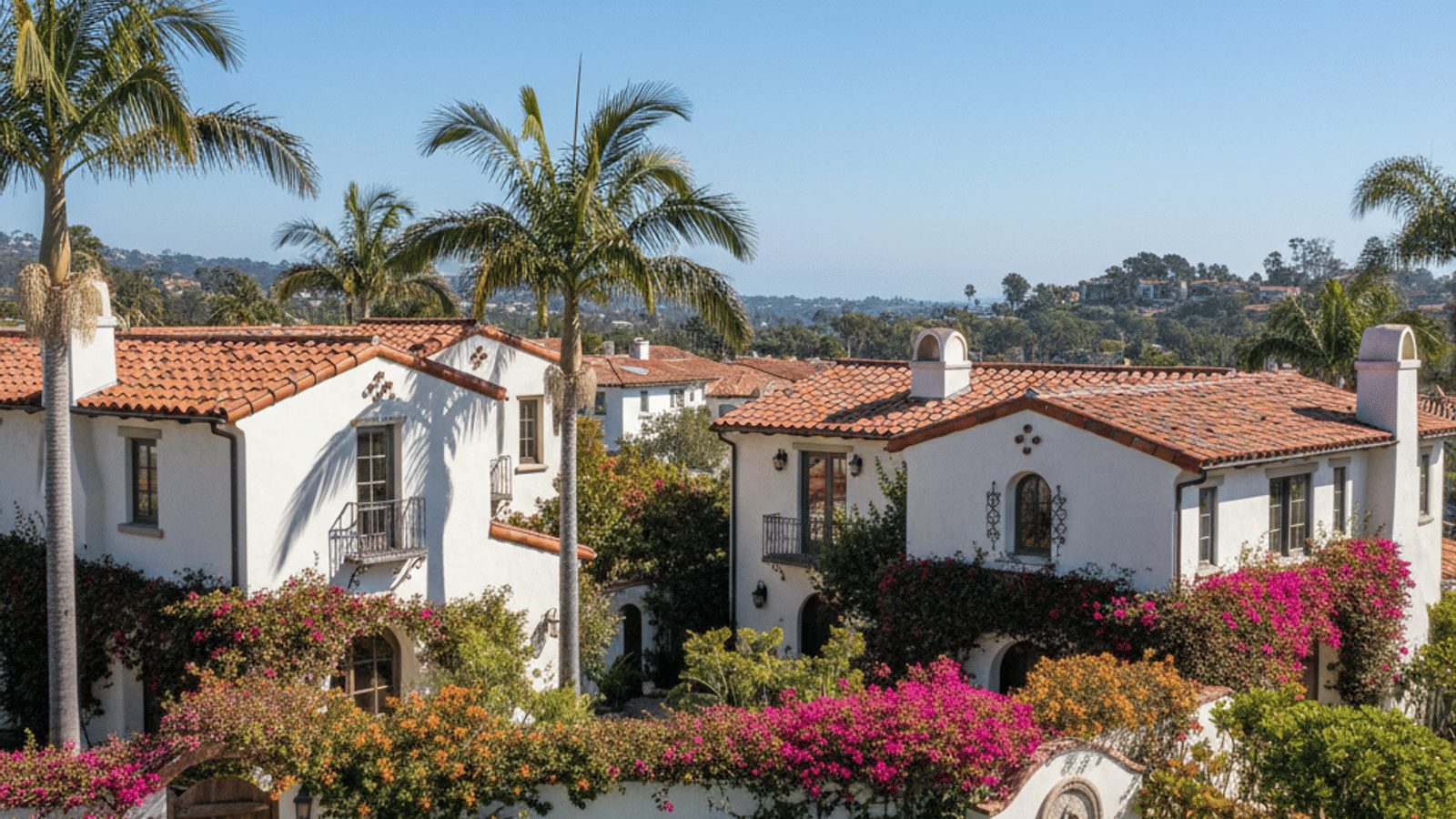
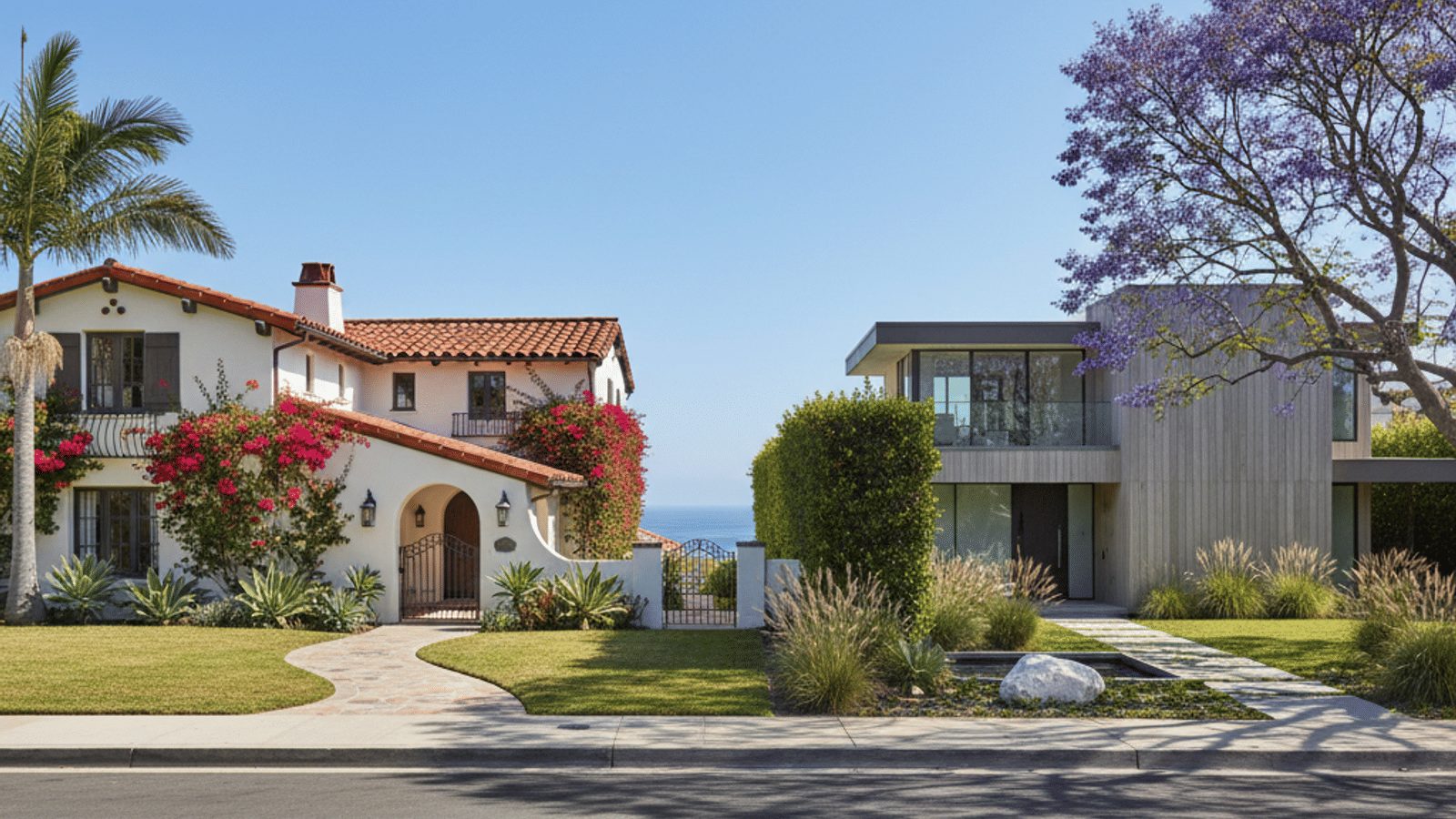
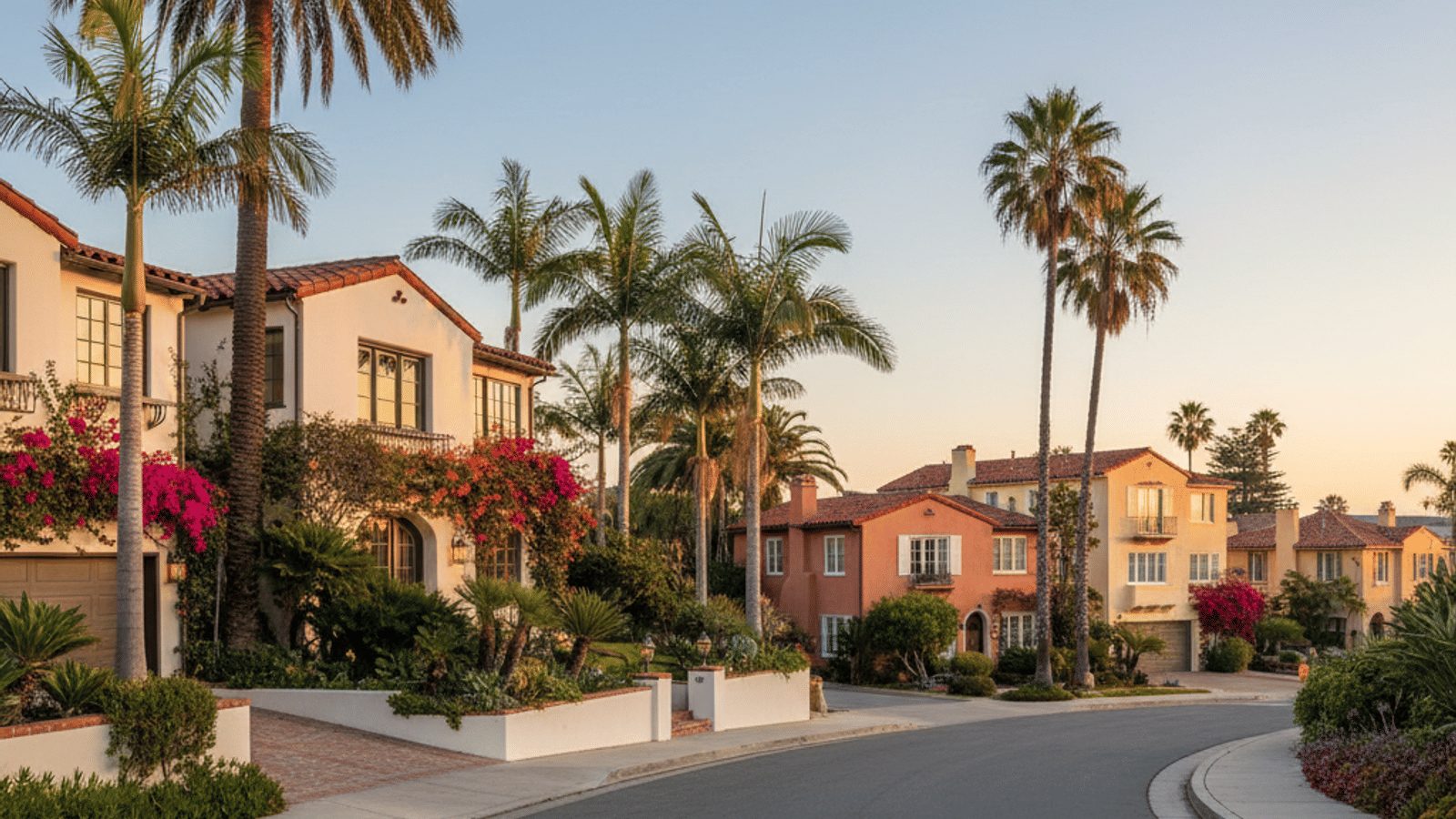
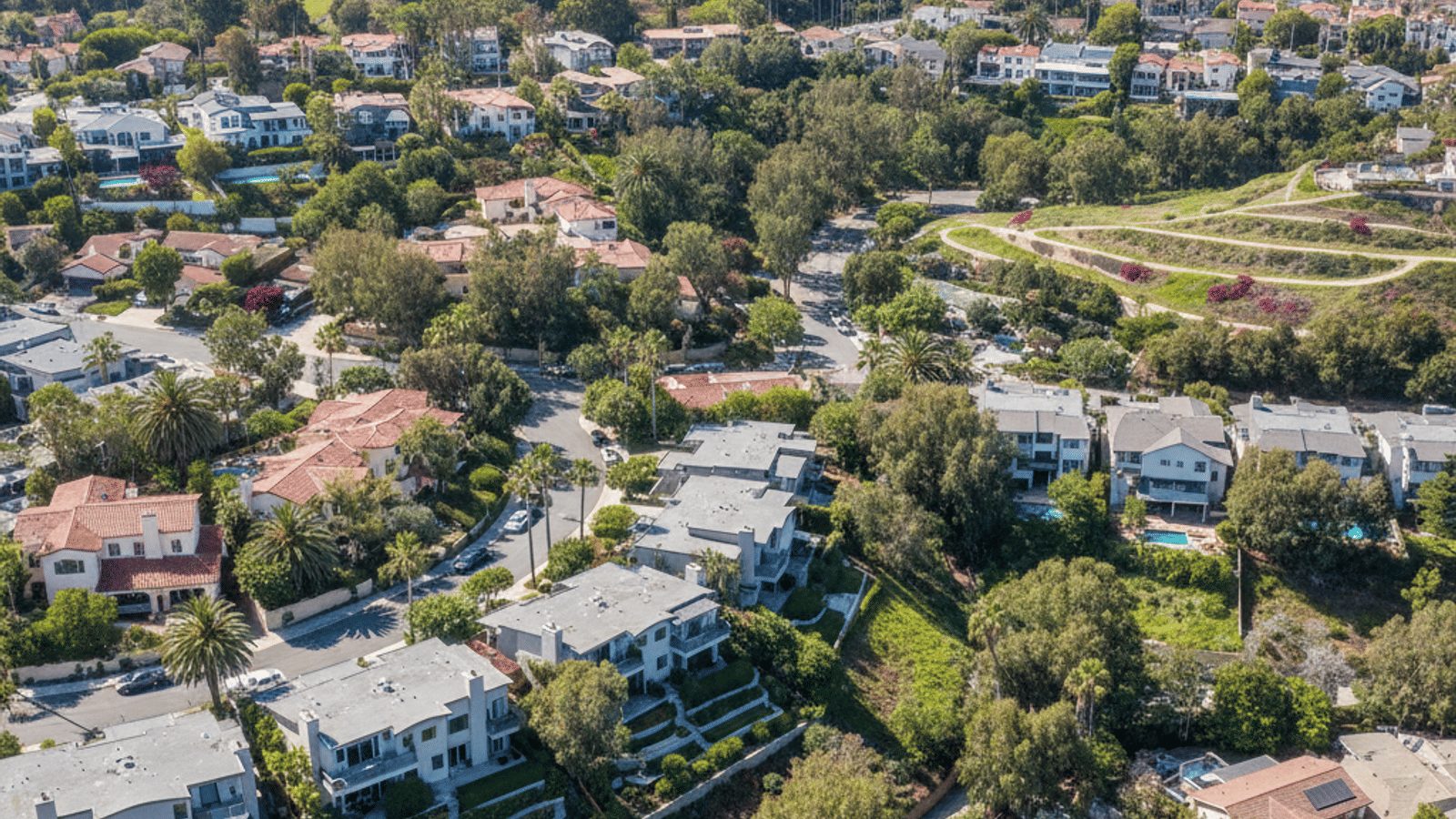
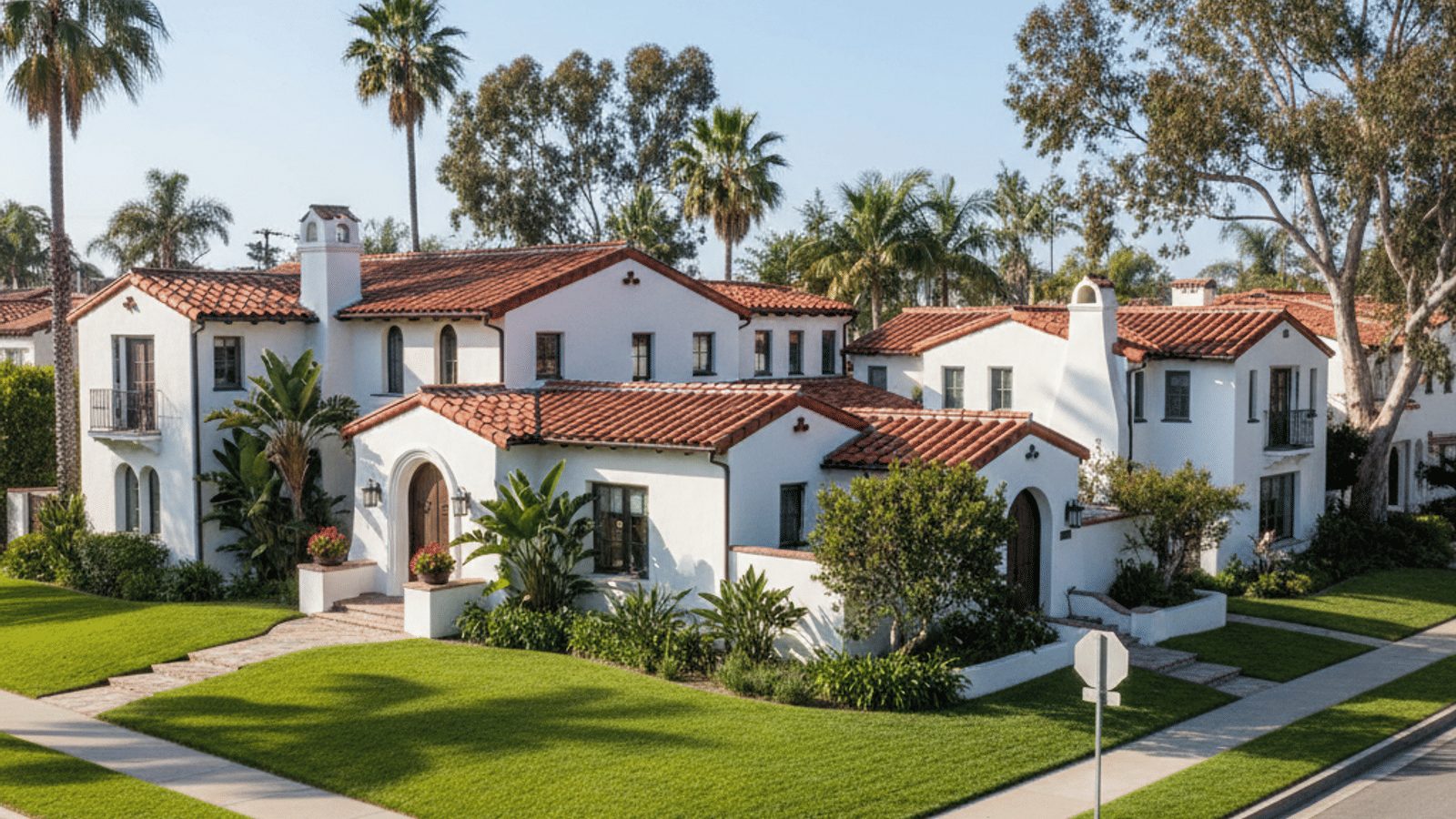
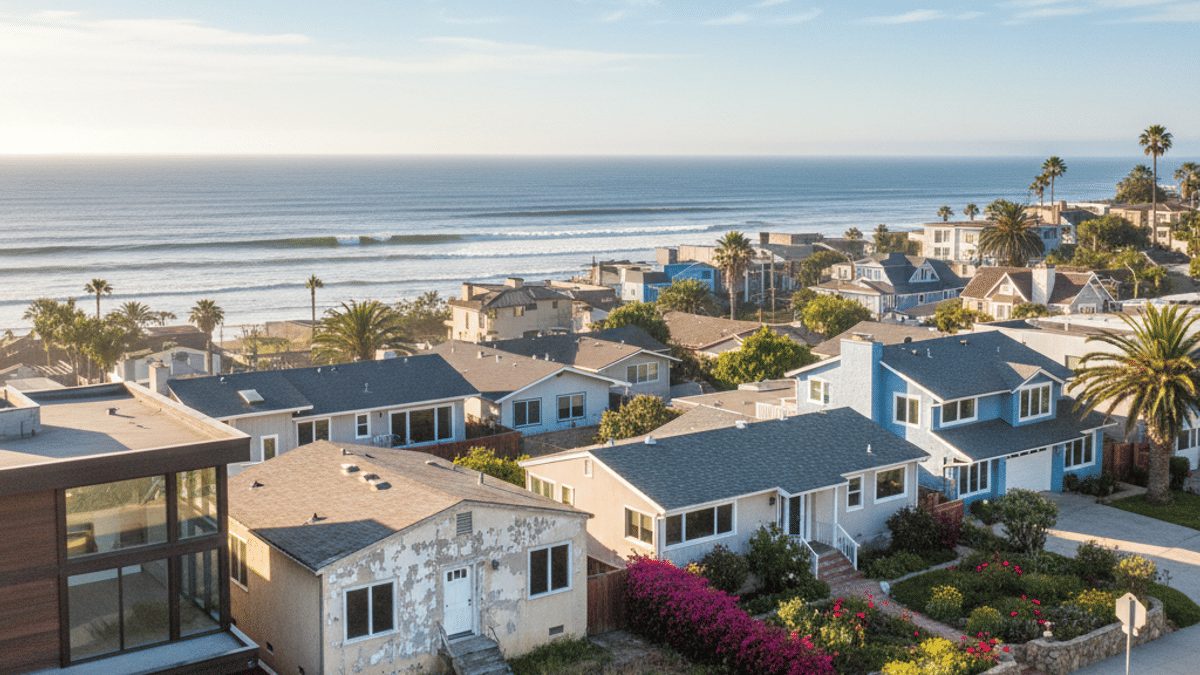
Dana Point isn’t a cookie-cutter suburb. Ocean bluff estates share sidewalks with surf-chic condos and 1970s ranches aching for a makeover. That mix skews timelines in a way you won’t see in a data spreadsheet.
- A turnkey beach-close condo under $1 million can still spark a bidding sprint in 10 days.
- A hilltop contemporary at $5 million might need three months of showings just to find the right buyer who gets the glass-wall vibe.
- A 1972 split-level with sun-bleached carpet could hover for half a year until someone with a contractor friend feels brave.
Layer in the “I’ll only move if I can surf before breakfast” lifestyle element and things get weird fast. Seasonality isn’t just weather; it’s swell charts, school calendars, corporate bonus cycles, and snowbirds who drop in, fall in love, then scramble to move money around.
Translation: treat every “average” like a street sign in a fog bank—helpful but never the whole picture.
Price It Right or Pay in Months
Picture two for-sale signs on the same block near Salt Creek. One is priced 3 percent below the last closed comp, staged like a coastal Airbnb, and photographed at golden hour. The other lists 10 percent high “for negotiation room,” uses phone pics, and leaves the dog bed in the foyer.
The first listing pulls double-digit showings in week one. Offers hit the inbox by Wednesday. Counter Thursday. By Friday night the deal is locked. Offer to close: 30 days if the buyer’s loan behaves.
The second one? Crickets, then price reductions, awkward agent calls, maybe a stale open house or two. Weeks stretch into months. Eventually somebody lobs in a lowball. The seller feels bruised, maybe accepts anyway, and still waits 30–45 days for closing. Total holding time easily hits 120–150 days.
Same street. Same quarter. Just pricing and presentation making the clock tick—or stop.
Quick gut-check for your own place:
- Look at the most recent sale that matches your square footage, lot size, remodel level.
- Shave a couple percent if you need traction.
- Add a wow-factor photo lineup and you’re suddenly weeks, not months, from packing tape.
The Prep Phase Nobody Counts (Yet Everyone Lives Through)
Ask most owners when they “went on the market” and they’ll recite the MLS activation date. But the real marathon started weeks earlier.
- Sorting the junk room into Keep-Trash-Donate piles.
- Touch-up paint battles with the hallways.
- Stager drops off slipcovers, you banish the recliner, kids whine.
- Handyman fixes that sticky slider you ignored for three summers.
- Photographer blocks you out of the kitchen while chasing light.
Be honest with yourself: two to four weeks slide by here for ordinary houses. Larger properties with landscaping crews and pool resurfacing jobs can chew up a couple months before the first buyer ever books a showing.
Add that “hidden” prep window to the official Days on Market and the average Dana Point sale easily stretches well past the published 99-day mark—for sellers who wait to start packing after the sign goes up, it feels like forever.
Seasonality: More Than Just Sunshine
Dana Point gets 280-plus sunny days a year, so the old “sell in spring” cliché only half applies. The local pattern looks like this:
- February–April: Out-of-town buyers fly in, chase warmer weather, decide they’re done with snow. Good momentum for mid-range single-family homes.
- May–July: Family moves peak once school gets out. Inventory spikes, yet demand keeps up, so well-priced listings still move quickly.
- August: Heat plus travel means showings dip. Overpriced homes get exposed.
- September–October: Surge of serious buyers who want keys before year-end tax planning.
- November–December: Holiday slowdown. Waterfront trophy homes can shine because the field thins, but ordinary houses often expire and relist in January.
If timing flexibility equals money in your pocket, circle mid-February or early September as target launch pads. List then, close about 45–60 days later, and you’re skipping the slog.
The Contract Countdown: Where Deals Stall
Even once you snag the right offer, escrow life has its own set of clocks:
- Inspection period (7–17 days).
- Appraisal scheduling (another week).
- Loan underwriting (15–30 days, sometimes more).
- Title search and HOA docs (variable, especially if the HOA uses snail-mail).
Any hiccup—old termite damage, water heater that’s technically dying, appraised value landing 2 percent short—will press pause. In Dana Point the priciest homes are often cash, so they glide past financing potholes, but they can still jam on appraisal if the lender’s risk team demands one. Lower-price condos ride the buyer’s loan roller coaster hardest.
Build in about two weeks of “Murphy’s Law” buffer when you map your moving truck. And keep the place tidy the whole time. Yes, it’s annoying. Yes, it’s still faster than starting over with a new buyer after a collapse.
Speed Bumps You Control
Over the years I’ve watched plenty of Dana Point sellers sabotage their own timeline. The greatest hits:
- Refusing weekday showings because “it’s inconvenient.” Twelve lost buyers later, they wonder why nothing’s happening.
- Leaving upgrades half-done. A gutted master bath screams delay. Finish it or discount heavy.
- Withholding disclosures until offer acceptance. Buyers discover a surprise, freak out, bail. Clock restarts.
- Forgetting pets. Lingering dog odor means longer DOM every single time.
- Testing the market “just to see.” Spoiler: you see crickets, then chase the price downward.
Fix these five and you shave weeks off your journey, maybe months.
The Turbo Buttons: How to Sell Fast in Dana Point
Want the holy-grail under-30-day sale? Hit as many of these accelerators as you can.
Pricing Strategy
Undercut the last closed comp by a sliver or bundle a jaw-dropping feature photo—drone shots of the coastline, twilight pool reflections. Creates urgency.
Pre-List Inspection
Pay for your own general inspection. Handle the little plumbing leaks in advance. Hand buyers a clean report. Their guard drops, offers rise, timelines shrink.
Staging That Feels Lived-In
Skip plastic fruit. Think surfboard leaning casually or a coffee table book about Dana Point’s harbor history. Authentic vibes equal longer showings, faster offers.
Flexible Showing Windows
Eight-to-eight access for the first two weekends. Yes, leave the house. Hit the beach. Let the buzz build while buyers roam free.
Local Lender Pre-Approval
When offers roll in, favor the ones using a lender who actually closes on time in Orange County. Ask your agent for a track record story.
Seller Rent-Back
If you need proceeds before buying the next place, offer rent-back up to 30–60 days. Buyers feel calmer, you skip hotel living, and the deal closes sooner.
Mapping Your Personal Timeline From Today
Grab a calendar. Pencil reality, not wishful thinking.
- Today: Call an agent or at least run a realistic Zestimate check.
- +7 days: Walk each room. Create the Fix-Clean-Style list.
- +21 days: Professional photos, sign install.
- +28 days: Live on MLS, blitz social channels.
- +35 days: Target offer window if priced right.
- +65 days: Wrap inspections, appraisal, financing approval.
- +90 days: Keys, wire transfer, toes in the sand.
Those 90 days assume cooperation across the board. Add two weeks of buffer if your place needs heavy prep, and another two if you hit the holiday zone. Worst-case overpricing scenario? You could be here next spring still swapping price tags.
Condo vs. Single-Family vs. Luxury Estate
Different property types track different clocks.
Condos under $900K
Pros: more first-time and second-home shoppers, often cash.
Cons: HOA document delays. Lenders scrutinize litigation and reserves.
Classic Single-Family 1–3 Million
Pros: broadest buyer pool, easy appraisals with comps.
Cons: buyers usually financed; loan approvals take time.
High-End Coastal Estate 4 Million and Up
Pros: many cash offers, flexible closing requests.
Cons: niche buyer pool. May need multiple marketing cycles, 120-plus days common even in hot markets.
Factor your category in before you get antsy about the neighbor’s listing that sold overnight.
Appraisals: The Wild Card
Even after both sides pop champagne on price, one stranger with a clipboard can derail the closing timeline. Dana Point has pockets where remodels create outliers. If yours is the only finished-basement beauty among time-capsule neighbors, the appraisal could stumble.
Two tips:
- Leave a tidy folder of comps, upgrade receipts, and a polite note on the kitchen counter.
- If value still lands short, be ready to negotiate a price tweak or ask the buyer to bridge the gap. Quick diplomacy saves weeks.
Financing Snags and How to Dodge Them
Thirty-year fixed loans rarely deny at the last second, yet they can slow to a crawl. Credit hiccups, surprise car purchases, or underwriter vacation days all drag a once-smooth file into overtime.
Your play:
- Vet the lender’s local track record.
- Request weekly updates.
- Keep closing documents handy; sign promptly.
Speed is a team sport.
When Your Timing Has to Be Perfect
Maybe you already opened escrow on a replacement house in San Clemente. Maybe the school year looms. If hitting a precise window matters, you still have moves.
Rent-Back
Close on time, then lease the house from the new owner for a set period. You keep possession, they earn rental income, everyone relaxes.
Bridge Loan
Tap your future equity early so you can buy first, sell second. More expensive than a standard loan, yet sometimes cheaper than a hotel and storage pods.
Temporary Housing
Dana Point short-term rentals fill quickly, but they offer a cushion if the double escrow overlap collapses. Budget for it anyway. Murphy loves real estate.
Reality Check: Why One House Sells in a Weekend
Spend an hour at a Dana Point open house that’s mobbed and you’ll spot the magic recipe.
- Listing drops on a Thursday with professional visuals.
- Price is slightly under the freshest comp.
- Weekend back-to-back showings create buzz.
- Monday morning agent sifts through multiple offers.
- Tuesday acceptance, earnest money in by afternoon.
Momentum is the secret sauce. Online platforms push new listings to the top for a few critical days. Nail those days and you fast-forward weeks of waiting.
Mess up on price or presentation and the algorithm buries you by Sunday night. Work to resurrect? Painful and time-consuming.
Days on Market: What the Number Doesn’t Say
DOM only covers live listing days. It ignores:
- The prep purgatory before launch.
- Escrows that canceled and restarted the counter.
- “Coming Soon” marketing that quietly chewed up buyer interest.
- Off-market pocket listings that sat unseen for ages.
So if you spot a “fast sale” in 15 days, remember the owners might have spent two months painting walls and fighting with contractors first. Likewise, a 120-day DOM might hide two busted deals, not market rejection.
Ask your agent for the property’s life story before letting a single stat scare you.
Local Missteps That Drag Everything Out
I see these Dana Point-special blunders every season.
- Insisting on Friday open houses only. Weekend tourists want Saturday views.
- Listing right before the Fourth of July fireworks, then shutting down showings for your barbecue.
- Forgetting to pull city permits for that extra bathroom, so the buyer’s lender balks.
- Ignoring minor ocean-salt corrosion on railings. Inspectors will notice fast. Fix now, not after they flag it.
Keep it simple: be available, be transparent, stay ahead of obvious repairs. Shortens timelines like nothing else.
Ready to Make Your Next Move?
You now know the big levers: smart pricing, ruthless preparation, flexible showings, and airtight contracts. If the average place is closing in about 99 official days, you can beat that—sometimes by half—when every piece lines up.
Start with a straight-shooting valuation today. Mark calendar dates for each prep milestone. And when the urge hits to float an ambitious number “just to see,” remember the silent cost: weeks of lost momentum you never get back.
How long to sell in Dana Point? Long enough to do it right, short enough if you respect the clock from day one.
The real timer starts now.