You want the real scoop on Dana Point. Not a polished brochure. Not a scary headline. Just an honest look at how living, working, or weekending here actually feels when the sun sets, the tourist vans roll out, and the harbor lights flip on. So pour a coffee or whatever you like and let’s get into it.
Embracing the Laguna Riviera: Dana Point’s Safety Profile
Dana Point has that postcard thing going on. The harbor, the headlands, the surf breaks that make road-trippers pull over for photos. From a distance it looks almost storybook. Up close, real life is of course more complicated.
Crime-tracking sites throw around a lot of letters and percentiles. Depending on whose chart you open, Dana Point either lands in the “top quarter” of California locales for lower violent-crime rates or somewhere around “average” on property incidents. Those grades shift with the year, with how agencies categorize an offense, and with whether seasonal visitors are counted in the population. Translation: numbers help but never tell the whole story.
Most residents I spoke with, from boat owners at the slips to shopkeepers in the Lantern District, share a similar take. They feel secure doing regular things — morning jogs along the Bluff Top Trail, doorstep package pickups, grabbing tacos after dark. But they also cite nuisances that pop up in any beach town: unlocked-bike theft, car break-ins around popular surf spots, the occasional bar brawl once last call hits. Nothing dramatic. Enough to keep you alert.
The Local Pulse: Real Moments and Safety
Walk two blocks and the vibe changes. That is not an exaggeration.
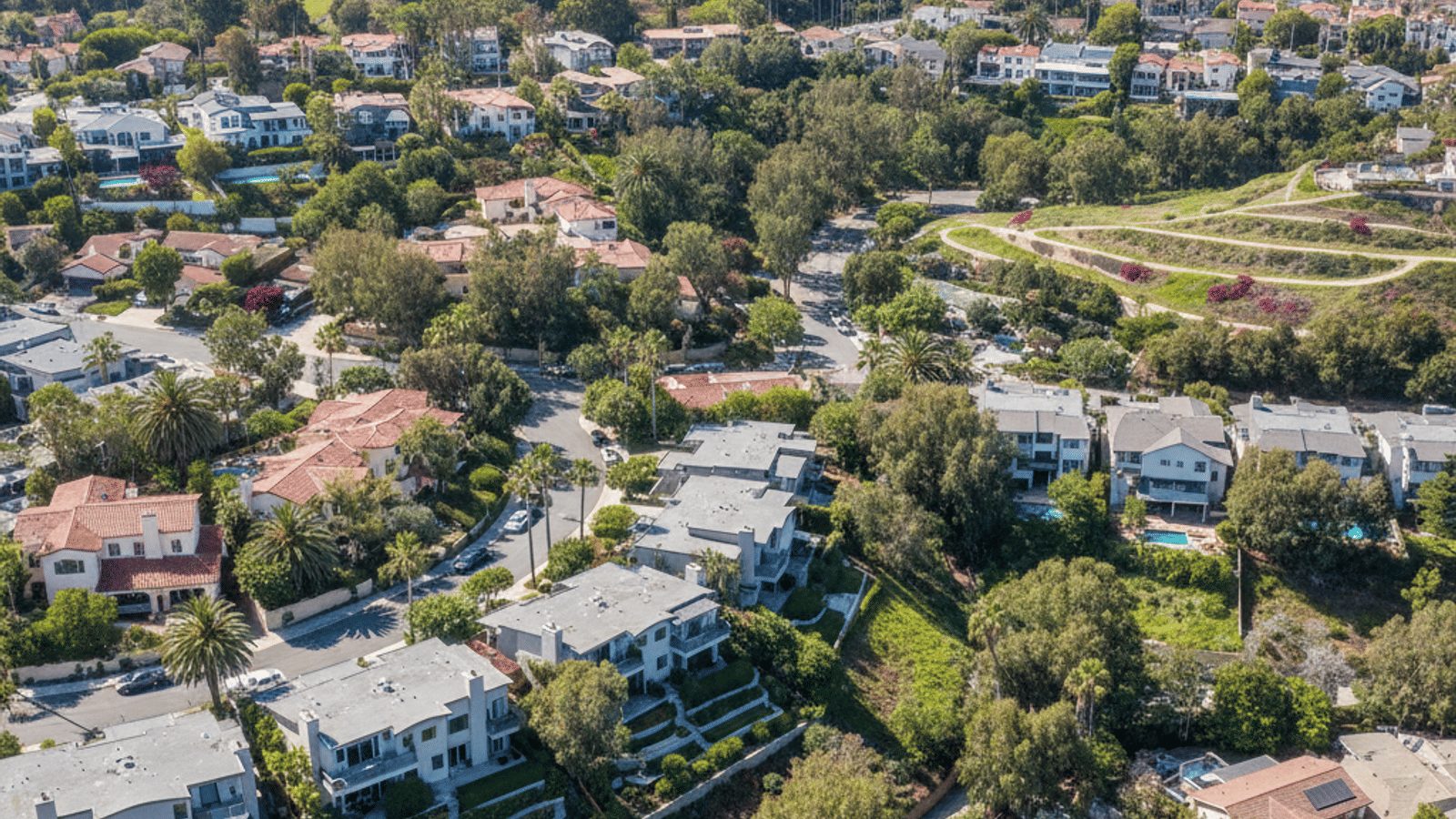
Del Obispo feels older, quieter, peppered with small ranch homes and apartments. People walk dogs after dusk without much worry, yet porch lights stay on because pass-through traffic from nearby shopping centers never sleeps.
Monarch Beach, tucked by the golf course and the big resorts, gives off resort security energy. Guests with lanyards, hotel staff buzzing around, private patrol vehicles cruising at five miles per hour. Residents joke that coyotes are a bigger threat than burglary. They are only half joking.
Capistrano Beach, at the city’s south edge, lives closer to the sand. RV campers line the coast highway during summer. Weekends get loud when surf contests roll through. Locals here lock boards with two cables instead of one and leave nothing of value in truck beds. Call it practical beach wisdom.
The Lantern District is where you feel the after-dark shift fastest. Coffee shops give way to cocktail bars, and visitors drift in from San Clemente and Laguna. Thursday through Saturday you will see more patrol cars parked on Del Prado. Not flashing lights. Just presence. Residents use that as an unofficial clock. More cops parked on the curb means it is probably midnight and time to call the rideshare.
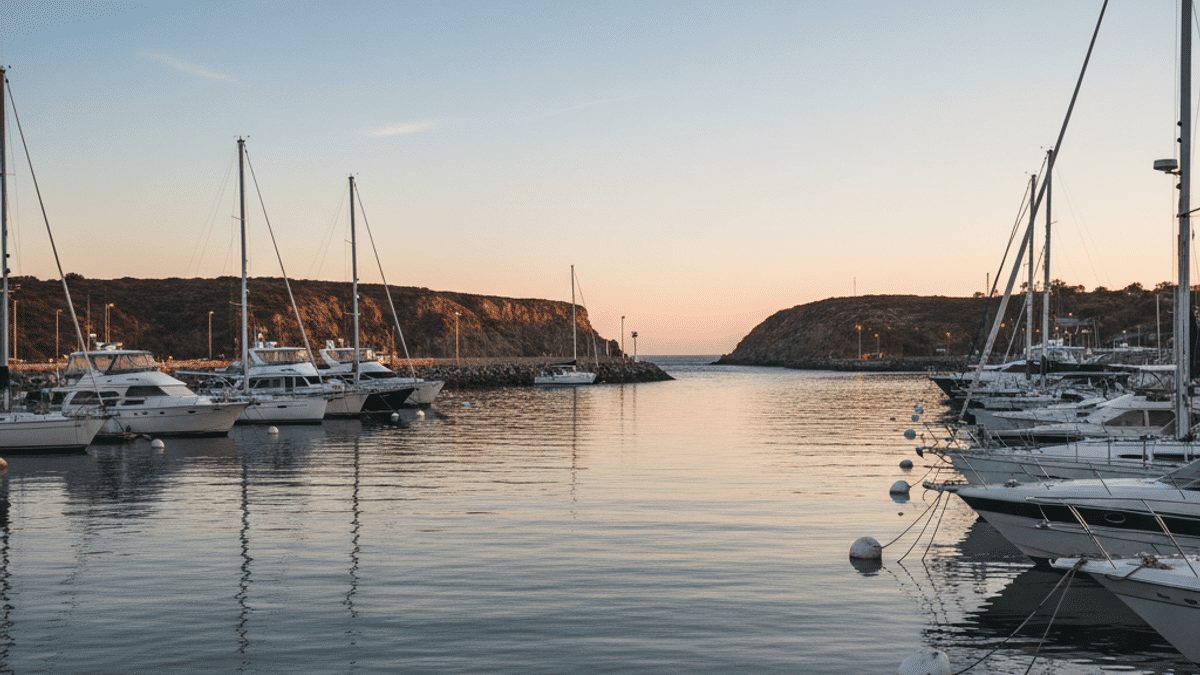
Lighting matters. On the harbor boardwalk, string lights stay on past 2 a.m. The Bluff Top Trail, though beautifully lit at sunset, dims later. Jog there after ten and you will want a headlamp. Tiny detail, big difference in comfort.
Crime Conversations: Property vs. Perception
Let’s unpack what locals gripe about most.
- Property mischief: Packages wander off porches near holiday season, especially in neighborhoods with hidden front doors. Doorbell cameras help but also capture stray raccoons. Porch pirates are opportunistic, not organized rings. Still, people schedule deliveries to office addresses to play it safe.
- Car break-ins: The two hotspots called out again and again: Doheny Beach day-parking lots and the harbor’s long-term spaces near Golden Lantern. Thieves look for surf backpacks or phone chargers left in plain sight. Locals crack a window and leave glove boxes open to show nothing valuable sits inside. A weird, simple deterrent.
- Violent incidents: Rare. When things go sideways it is usually a bar dispute that started with tequila, not a street-corner mugging. Check police blotters and you will notice assaults cluster around Friday midnight in entertainment areas, not random residential streets at noon.
- Tourist overlap: Some residents blame visitors for every dented fender. Data does not fully back that, though population swells can skew crime-per-capita figures. A summer crowd of five thousand can raise theft counts without changing the lived experience for someone at home folding laundry.
What the above tells us is straightforward. Lock the car, keep bikes in the garage, know that late-night bars attract the same drama you see in any coastal nightlife pocket. Outside those triggers, day-to-day life remains uneventful.
Everyday Safety and Community Consciousness
Dana Point rarely feels anonymous. Shops remember your latte order by the third visit. That small-town memory helps the safety picture.
Neighborhood watch groups exist but in informal ways. One street uses a shared text thread. Another pins handwritten notes that read “dog loose on Coral Bay.” Face-to-face chats still outnumber Nextdoor rants, which honestly eases tension.
Pacific Coast Highway slices through the city. Drivers treat it like a racetrack. Pedestrians crossing at Selva Road will tell you they always make eye contact with oncoming cars even when the walk sign blinks. Traffic safety here is less about serious collisions and more about the adrenaline rush of sprinting across five lanes with a surfboard.
Noise is the other form of security people mention. Quiet blocks make unfamiliar footsteps louder, which some homeowners appreciate. Others like the white noise of distant surf and freight trains. The key difference is that residents know normal sound levels for their street. Any sudden drop or spike triggers a porch light flip.
Practical Tips for the Wary Renter or Buyer
Ready for take-home tactics. Nothing fancy. All from locals:
- Visit at odd hours: Tour Dana Point on a Tuesday at 10 p.m. not only Saturday afternoon. You will catch the genuine nighttime mood and see which streets empty out.
- Walk the block without headphones: Listen to dog barks, traffic hum, and alley echoes. Comfort often comes down to how your gut reacts to sound.
- Study street lighting: Look for warm LED fixtures rather than the older orange bulbs. Newer lights push less shadow toward driveways.
- Check parking setups: Owning a boat or extra vehicle means scouting for homes with longer driveways or gated side yards. Street parking by surf spots fills before sunrise.
- Talk to harbor employees: Workers who open bait shops at dawn know where overnight trouble shows up. Their insight beats a glossy police report.
- Keep duplicate keys off obvious hooks: Marina folk swap this tip constantly. Hide keys in magnet boxes under the bumper or with a neighbor.
- Practice the porch-pirate test: Can someone stand at your front door unseen by the street? If yes, add motion lighting or a visible camera.
Follow these habits and you will solve 90 percent of annoyances before they start.
A Quick Walk Through Each Pocket
People always ask for a neighborhood hierarchy. No list can be perfect, still here is a walking-speed rundown rather than a rigid ranking.
- Monarch Beach: Guarded entrances and resort proximity deliver an almost campus feel. Streets are wide, bike lanes appear freshly painted, and joggers wave. Many houses sit behind staffed gates though, so public access is limited. That insulation means package theft drops but social buzz thins out unless you head to Salt Creek Park.
- Lantern District: Lively by day with boutique browsing, busier after dark thanks to craft-cocktail spots. Safe to stroll at dinner time, but keep a sharper eye on belongings when bars empty. Paid lots are lit, free curb parking packs up fast.
- Dana Hills and Del Obispo: True residential sprawl. Schools, parks, cul-de-sacs. Feels steady rather than flashy. Garage doors lift at seven, close by nine. Keep tools locked up if you do weekend renovation work in the driveway.
- Capistrano Beach: Surf culture central. More short-term rentals. The flip side is stranger turnover that prompts locals to know immediate neighbors well. Officers patrol PCH in this stretch more than inland areas due to beach traffic.
That should help narrow a home search if you crave either quiet lanes or nightlife options within walking distance.
What Crime Data Misses
Every chart online counts reported incidents. Not attempted ones. Not weird vibes. Not the teenager who rattles your gate looking for a lost soccer ball. Those all shape safety perception.
Population size skews percentages quickly in a small city. Ten extra bicycle thefts in a summer can make crime per capita look like it jumped ten percent. That headline travels faster than the context that half those bikes were unlocked rentals.
Law-enforcement divisions overlap. Dana Point contracts with the Orange County Sheriff’s Department. Reports sometimes include Capistrano Beach incidents under county rather than city totals. The sorting matters if you are comparing apples to apples.
So study raw counts, filters, and year-to-year swings. Then walk the streets yourself.
Traffic, Trails, and Evening Strolls
Mariners complain that tourists stop their cars in the middle of Dana Point Harbor Drive just to snap pelican photos. Annoying, yes, but also a reminder that traffic hazards are often low-speed surprises, not high-speed chases.
Walking from the Headlands to Doheny State Beach covers about three miles. Daytime feels breezy. After 9 p.m. certain stretches go almost silent, especially the residential sections of Santa Clara Avenue. Bring company or a flashlight. Not because something sinister lurks. Simply because the pavement slopes and you could twist an ankle stepping off a curb you did not see.
Cyclists ride Pacific Coast Highway daily. The shoulder width changes block to block. Serious riders use rear blinkers even during daylight. File that under proactive rather than paranoid.
How the Community Looks Out for Its Own
Dana Point hosts a Turkey Trot, a Festival of Whales, free summer concerts. Those gather hundreds of volunteers, which builds cross-street friendships. People swap numbers, share patio produce, and keep an informal eye out.
Harbor merchants play their part. A barista might notice a suspicious backpack set under a patio chair and flag the marine safety crew. The water patrol team, separate from county sheriffs, shuffles lost-and-found items and escorts night anglers to their cars when needed.
During big surf swells, surfers line the bluff to film sets. They know which cars belong to which regular. Any sketchy movement around tailgates gets called out loud. Crowd accountability at work.
Cost of Security Add-Ons
Buyers often ask what extra safety gear costs. Rough ballpark:
- Basic video doorbell: 130 dollars.
- Motion lights for a driveway: about 60 dollars per fixture.
- Smart deadbolt: 200 dollars.
- Monthly alarm monitoring: 25 to 40 dollars.
- Self storage for boards or kayaks if your garage is tight: 150 to 250 dollars monthly near the harbor.
Budgeting for these items can ease nerves without steep HOA dues.
What Locals Wish They Knew Before Moving
You may think sunny weather means windows open all the time. Truth is, many residents close them at night because marine layer moisture sets off window alarms and motion sensors. Install dehumidifiers to avoid those 3 a.m. chirps.
Trash pickup comes early and echoing trucks can mask odd noises outside. If you rely on hearing the dog bark as a safety cue, consider an indoor camera, not just ears.
Finally, coyotes roam the hills behind Del Obispo. They snatch small pets more often than burglars snag electronics. Secure yards if you have cats or small dogs.
Ready for a Change of Scenery?
Dana Point does not fit the extremes. It is neither flawless paradise nor cautionary tale. It is a midsize coastal city where most trouble revolves around unlocked vehicles, bar leftovers, and the ebb and flow of tourist foot traffic.
You could spend days reading every chart, but your best move is to visit multiple times, talk to shop clerks, check lighting after dark, and picture your daily routes. Do that and you will know, in your gut, whether Dana Point offers the level of comfort you need.
So is it safe Dana Point? In the daily rhythm that matters most, the answer leans yes with an asterisk: practice the common-sense habits locals already follow and you will likely find life here as smooth as the morning line up at Salt Creek.
Now, go see it for yourself.