Quick Snapshot Before You Pack a Box
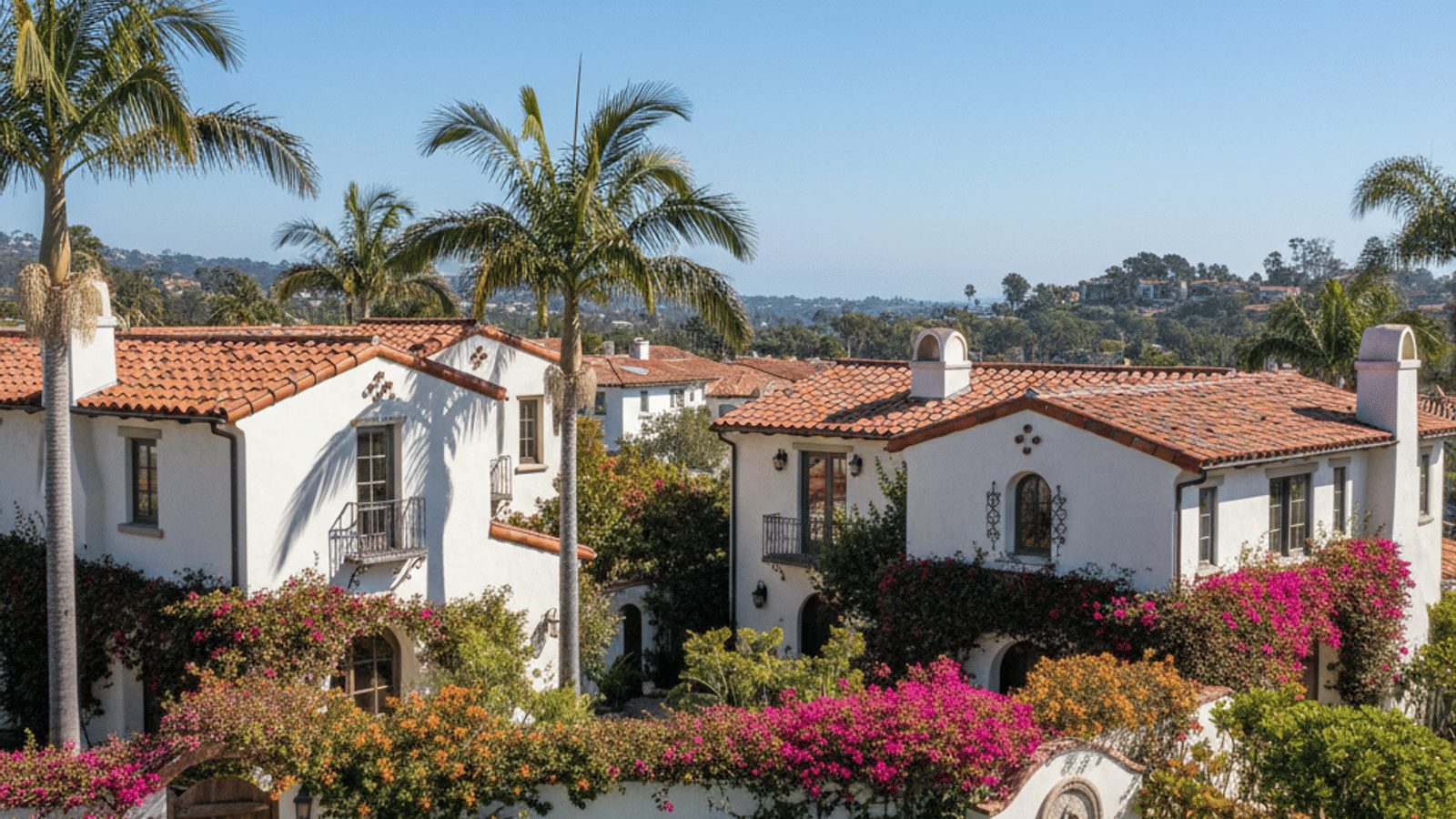
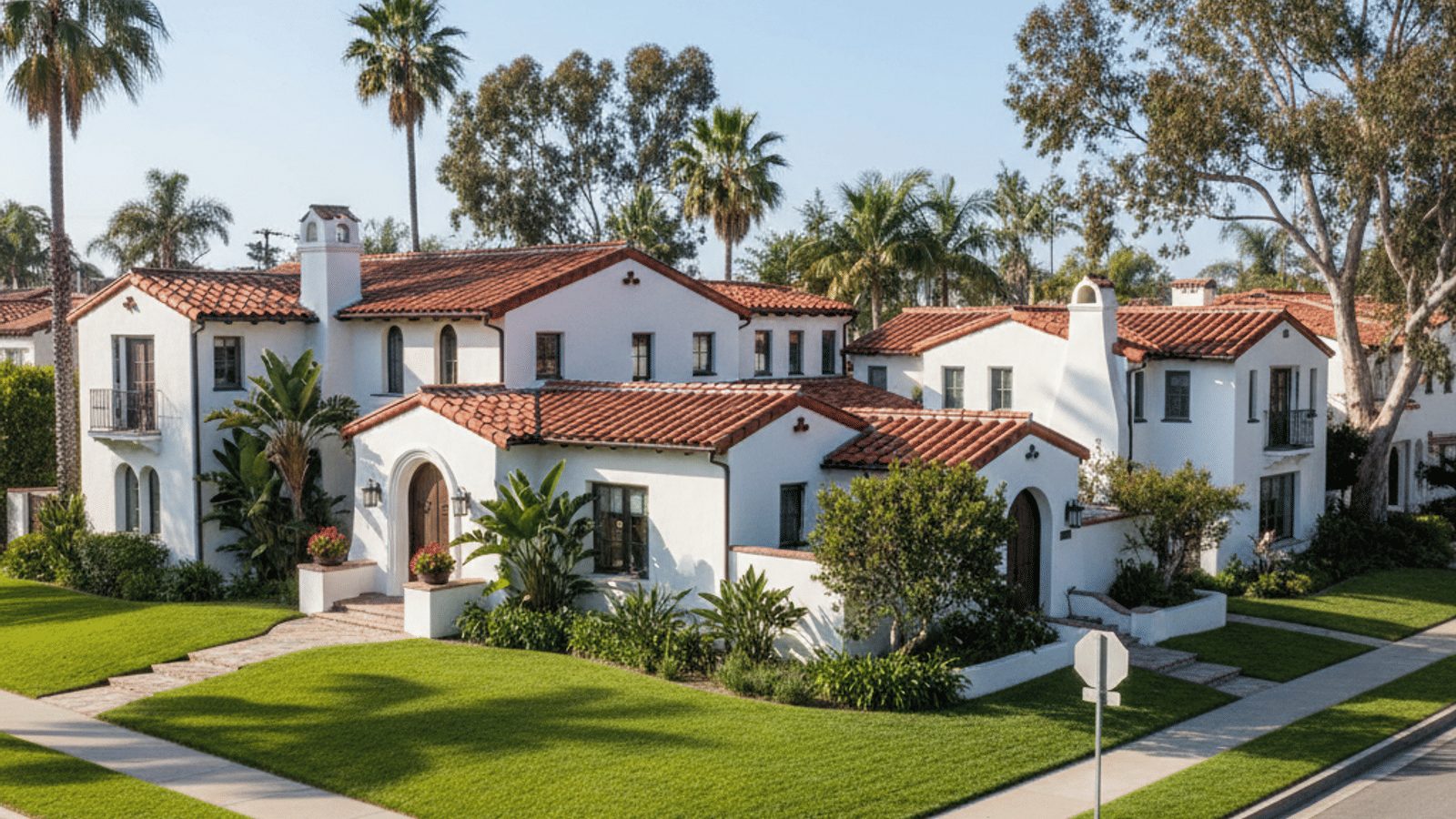
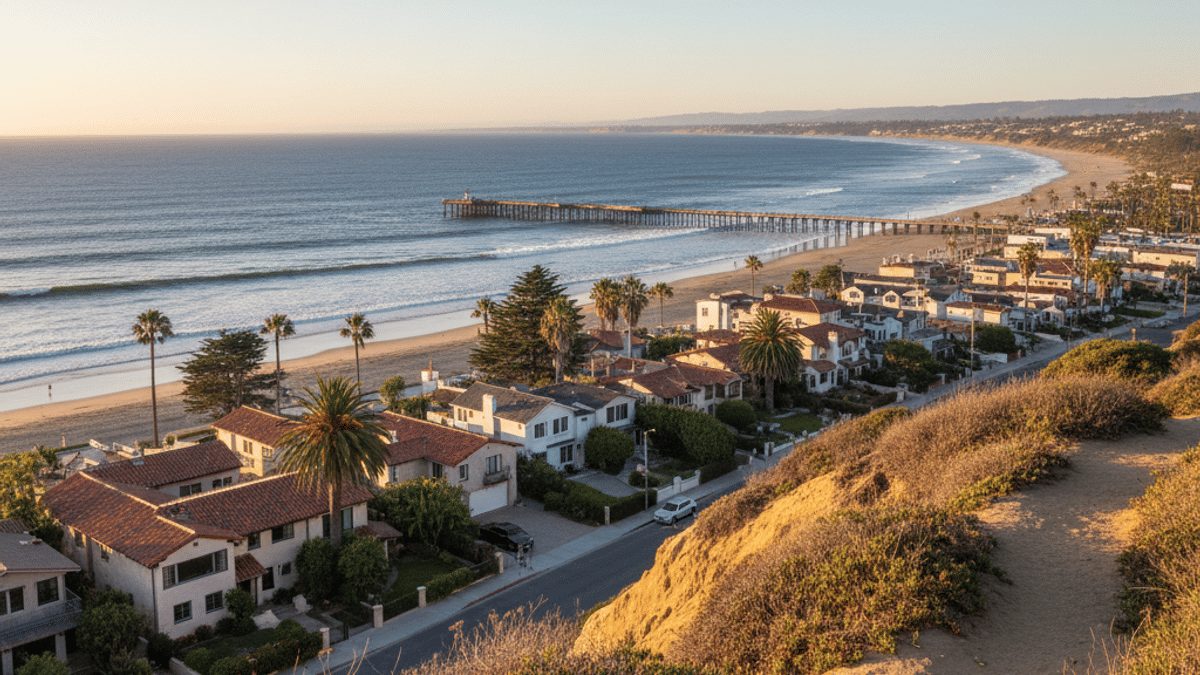
Salt in the air. Red tile roofs on the bluffs. And a vibe that hovers somewhere between surf-trip and small-town hangout. That is San Clemente in a nutshell. Roughly 65 thousand neighbors live here right now, according to the latest 2024 census update, and the headcount has inched up about half a percent a year. Zillow’s early-2025 numbers show a median single-family price flirting with $1.48 million, inventory stuck near two months, and price growth forecast to cool to two-percent. Translation: people are still arriving, just not stampeding. If you are thinking of moving to San Clemente, a few realities matter more than pretty Instagram sunsets. Let’s unwrap them.
Homes, Prices, and the “I-Can-Actually-Afford-This” Test
You probably pulled up a listing or two before clicking on an article called Moving to San Clemente. Good move. Here is what the spreadsheets refuse to tell you:
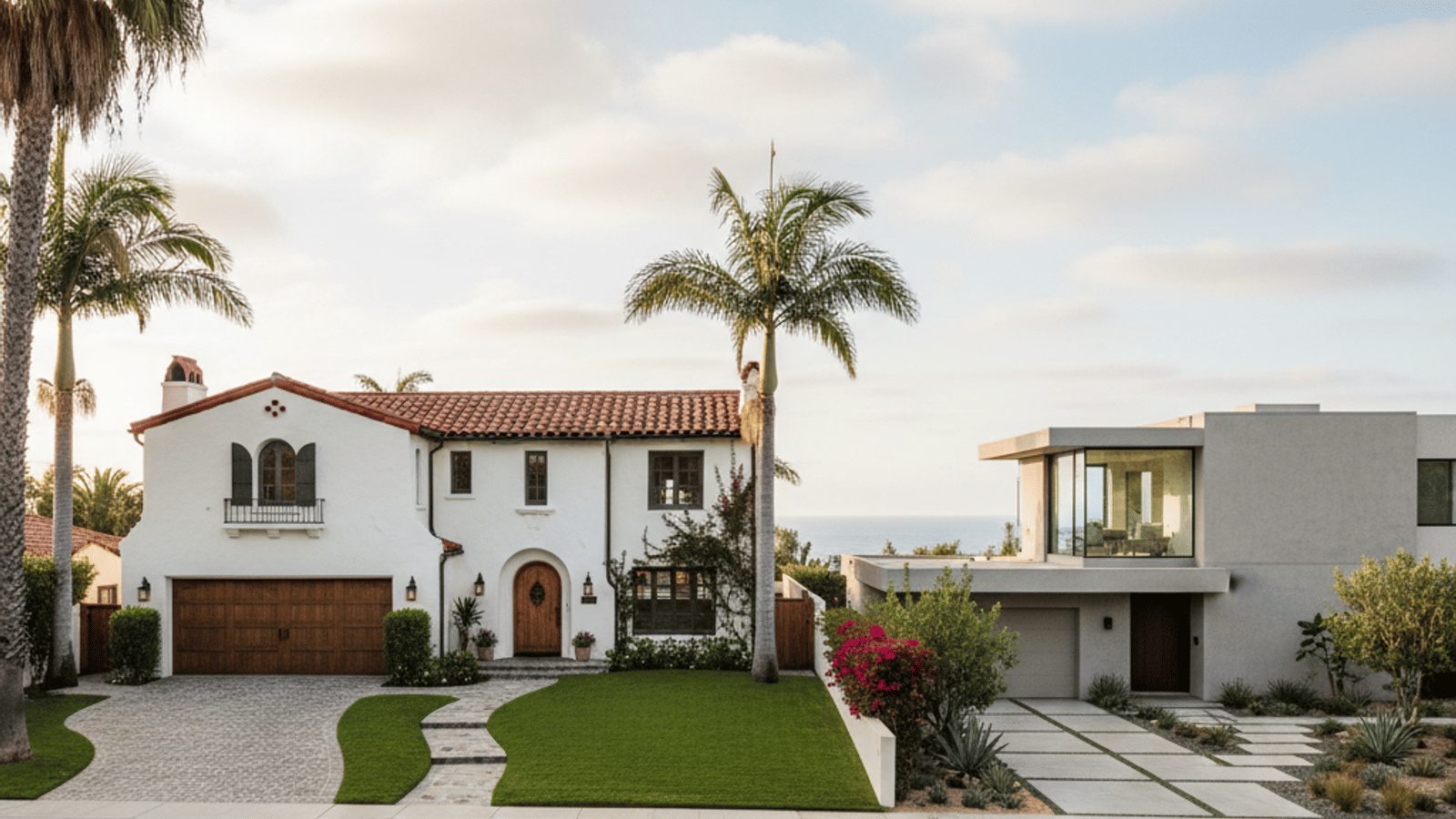
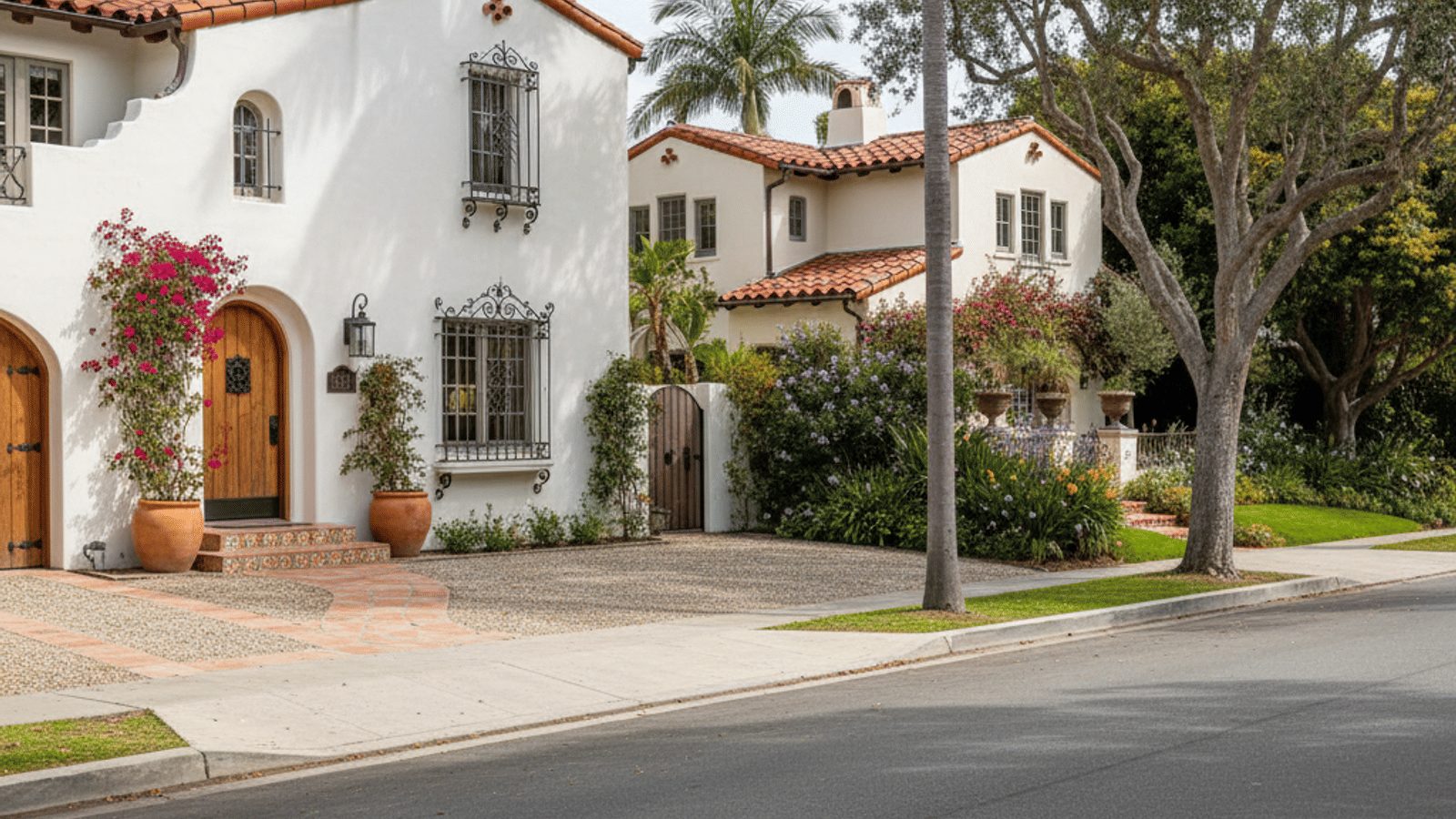
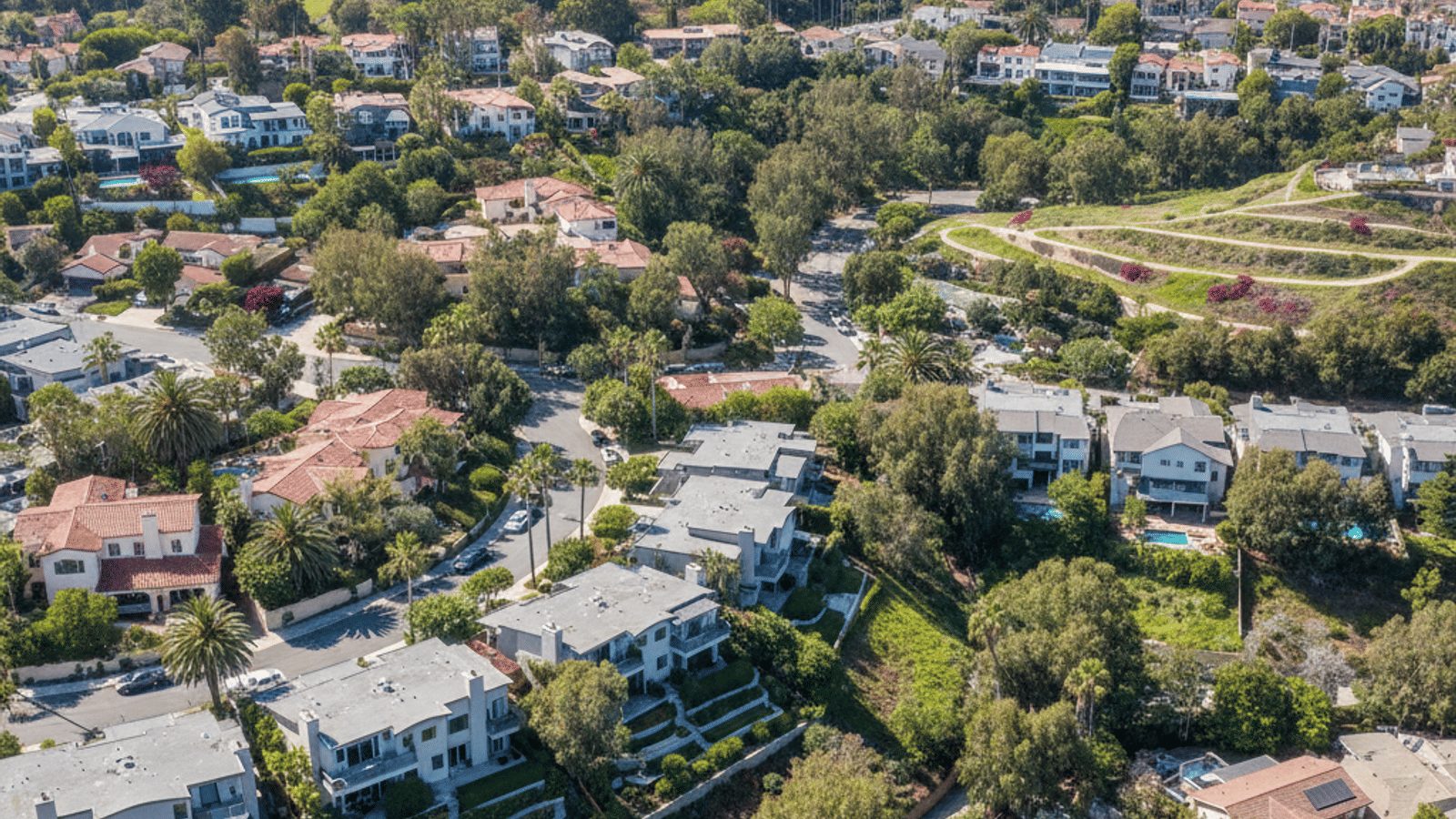
The 2025 market is a tale of two neighborhoods. In Talega and the hills north of Avenida Pico, newer builds with three-car garages dominate. Median price there just crept past $1.6 million, with average days on market under thirty, even in February. Coastal flats near the pier are older, lots smaller, and still climbing past $1.7 million because everyone wants to walk to the water.
Condos are the only realistic doorway under $900 k. Capistrano Shores, Southwest, and Rancho San Clemente each throw a few on the MLS every month. Competition is a knife fight because remote workers love the low HOA fees.
Renters feel the squeeze too. A 900-square-foot two-bed averages just shy of $3,300, up eight percent year over year. Lease inventory hovers below fifty units city-wide. Blink and it is gone.
New construction? Sparse. The city locked most raw land into permanent open space in the early 2000s. A sprinkling of accessory dwelling units shows up, yet you will not see massive subdivisions anytime soon.
Here is the gut check. Can you commit to a higher mortgage or rent in exchange for almost nonexistent property tax increases and long-term equity? San Clemente’s voters keep approving modest parcel taxes for schools, but the rate still trails San Diego County. If your spreadsheet favors appreciation over short-term bargains, the math can still work. Otherwise the sticker shock is real.
Lifestyle, Culture, and That Unwritten Dress Code
Board shorts before 9 a.m. Flip-flops everywhere. Yet the same crowd will trade neoprene for collared shirts by dinner. The point: moving to San Clemente means slipping into a local rhythm rather than forcing yours on it.
A normal weekday looks like this. Dawn patrol at T Street, espresso from Ellie’s, quick shower, commute north to an office in Irvine or tuck into Zoom calls from the patio. Lunch might be a carnitas burrito from La Tiendita or a veggie bowl at Active Culture. By sunset, everyone drifts toward the beach trail. No one cares if you show up sweaty, just smile and say hi.
Community events glue the place together. The monthly Village Art Faire fills Avenida Del Mar with booths of handmade ceramics and watercolor seascapes. First Thursday’s farmers market moves crates of avocados faster than you can say guacamole. Ocean Festival in July turns the pier into a mini Olympics of paddleboards and sand-castle bragging rights.
Yes, the city skews outdoorsy, but you do not have to surf. Hike the 2.3-mile Sea Summit loop, jog the ridgeline fire roads in Rancho San Clemente, or join the local pickleball league at Vista Hermosa Sports Park. Sunblock is practically mandatory, gym memberships, not so much.
One myth to clear up. People think beach towns close early. Not here. Check the line at Landers after 10 p.m. or the buzz at The Cellar’s vinyl night. Craft beer runs deep, and live music sneaks into patios all year because the weather rarely drifts below fifty.
So ask yourself. Do you crave nightlife that thumps until 2 a.m. every day? You will not find that here. You will find bonfire circles, taco Tuesdays that run late, and a community that might recognize your dog before remembering your name. Some folks call that heaven.
What It Really Costs to Live, Work, and Play
There is more to moving to San Clemente than a mortgage. Let’s peel back the other invoices.
Groceries clock in about nine percent higher than the national average. Blame small coastal square footage for stores rather than price gouging. Trader Joe’s and Sprouts keep things sane, though specialty markets lure you with artisan olive oil you never knew you needed.
Utilities look ordinary because the coastal breeze flattens both heating and cooling bills. Most residents run ceiling fans instead of AC eight months a year. Southern California Edison still charges peek-at-the-bill-slowly rates, but kilowatt usage drops so the hit balances out.
Commuting is the wildcard. The Metrolink stop downtown shoots riders to Irvine in thirty minutes and L.A. Union Station in about ninety. A monthly rail pass runs $309. Drive the same route and you feed a gas tank plus tolls on the 73 or 241. Decide which pain you prefer, time or money.
Jobs inside the city lean hospitality, healthcare, and a cluster of defense contracting offices above Avenida Pico. Remote work exploded during 2020, and the fiber rollout that followed means most neighborhoods enjoy gig-speed internet. If you need a WeWork vibe, locals camp at Bear Coast Coffee or the public library’s new second-floor desks overlooking the ocean. Hard to beat that Zoom backdrop.
Childcare deserves its own line item. Daycare slots hover around $1,600 per month for toddlers. Babysitters ask twenty-five an hour, sometimes more on summer weekends when half the town heads to weddings in Laguna.
Before you panic, remember California’s Prop 13 keeps property taxes predictable. A $1.3 million purchase equals about $14 k a year, give or take small parcel add-ons. Compare that to states where reassessments spike every heartbeat and the long view softens the blow.
Bottom line. The cost of living is no secret. Friends will gasp when you quote numbers. Yet most locals stick around because the payoff shows up in daily quality of life, not just an equity statement.
Layout, Climate, and How You Actually Move Around
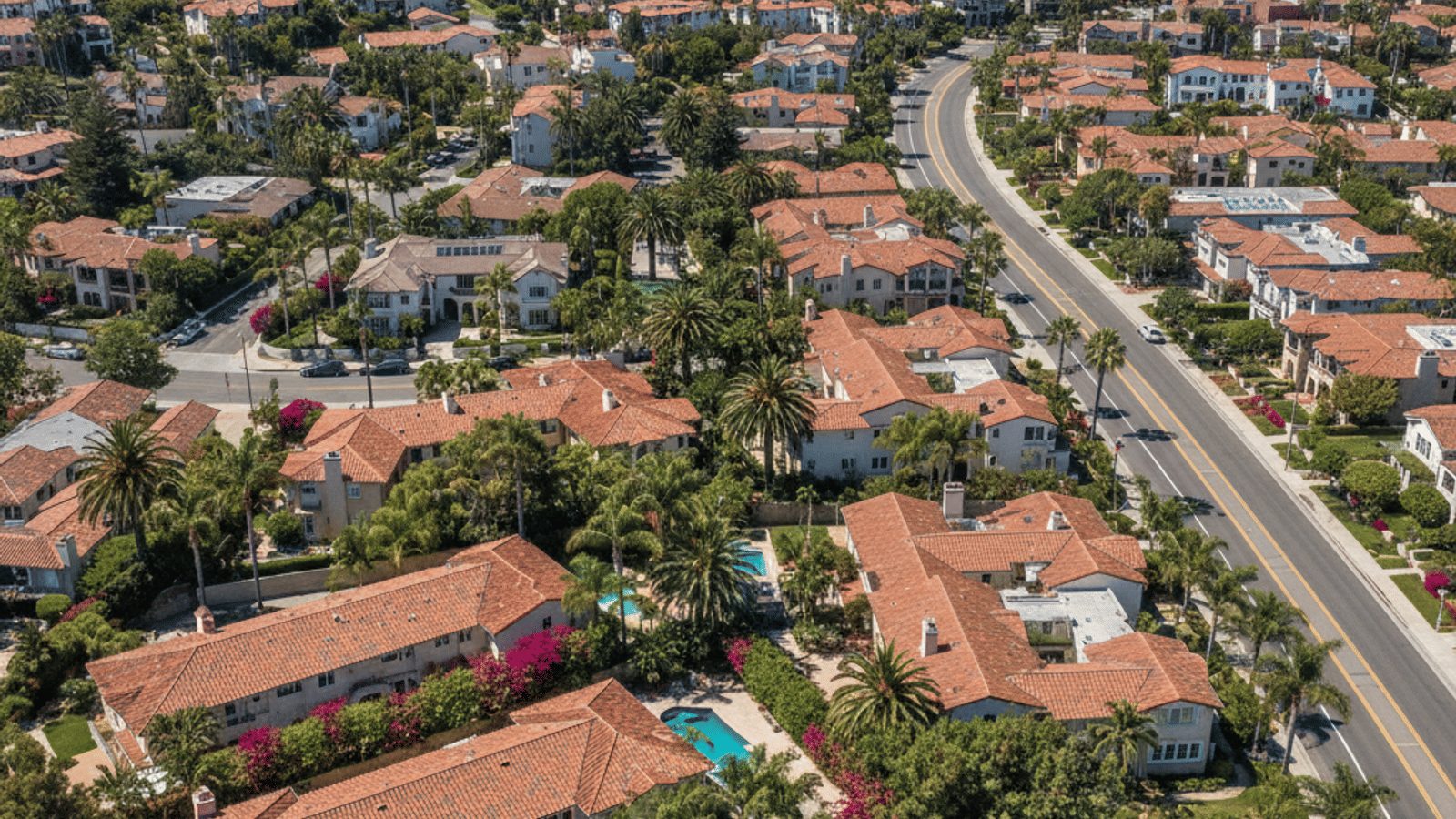
San Clemente stretches only eight square miles, but the micro-hoods feel like different planets.
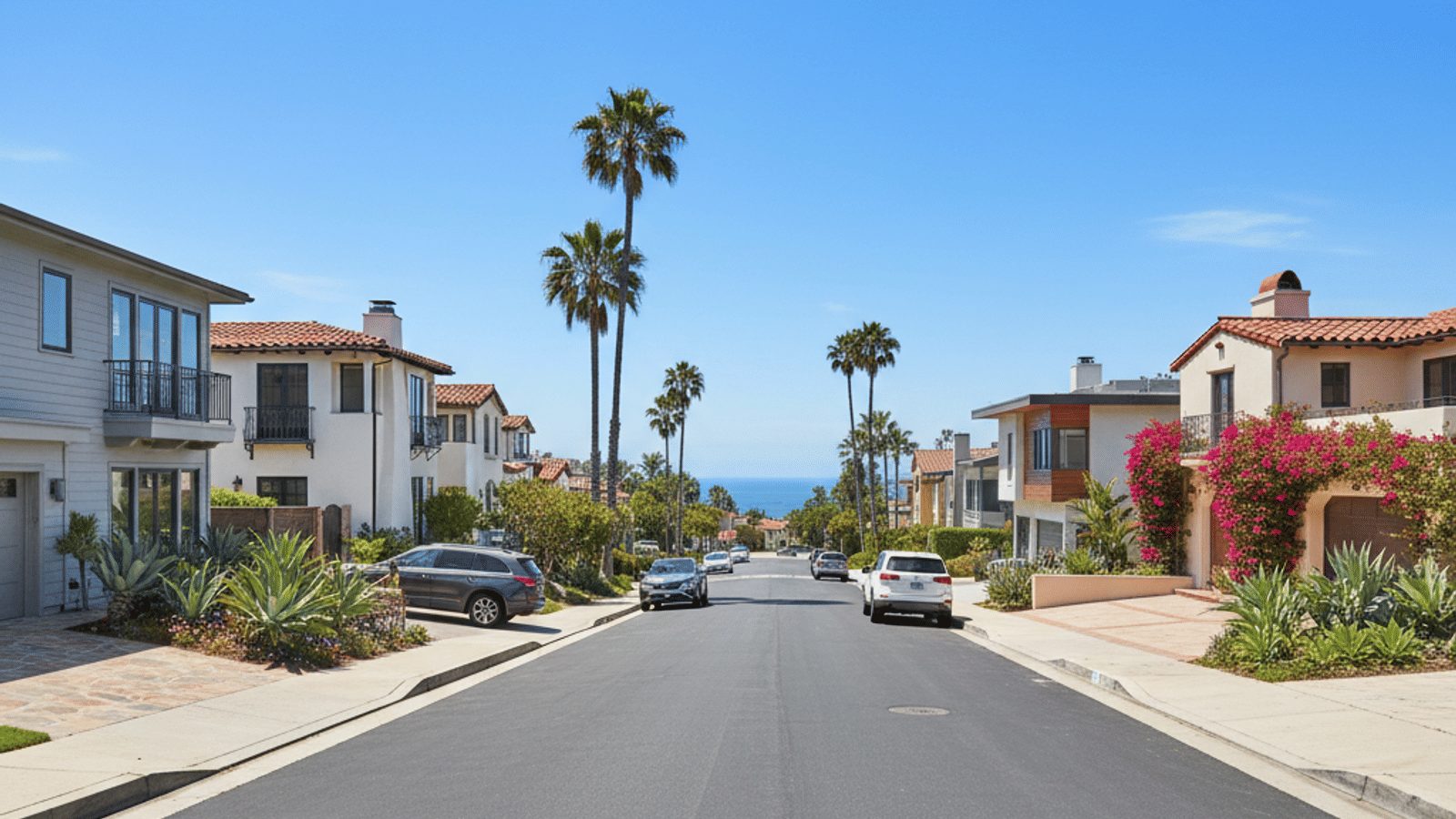
Southwest, spiraling around the pier, is the postcard. Narrow streets, surf shacks, and no curbs in some alleys. Parking, tricky. Character, off the charts.
North Beach carries the history buffs. The Miramar theater, Ole Hanson Beach Club, and a Metrolink platform ten steps from sand. Investors sniff here because the city keeps pouring dollars into revitalization.
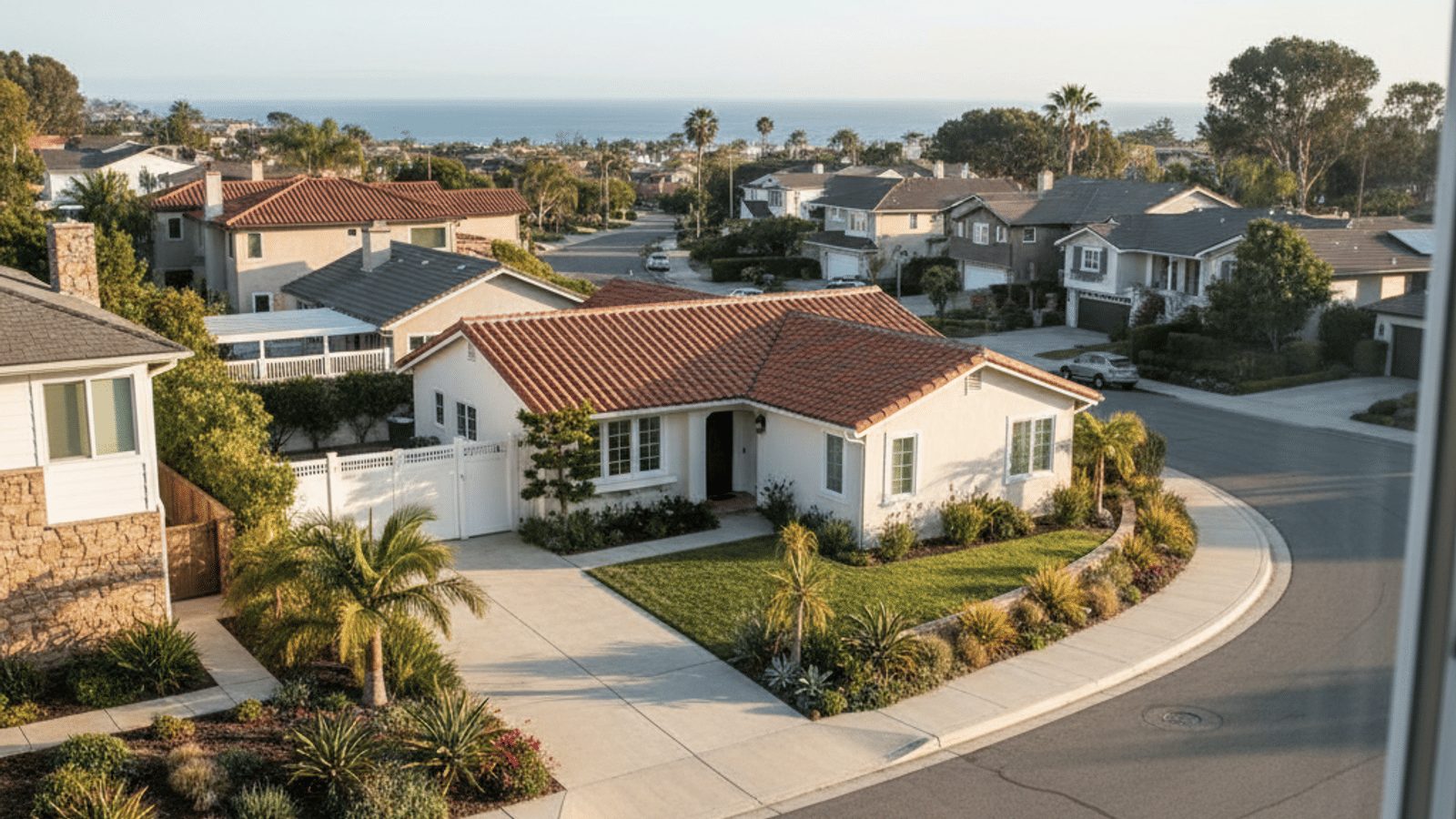
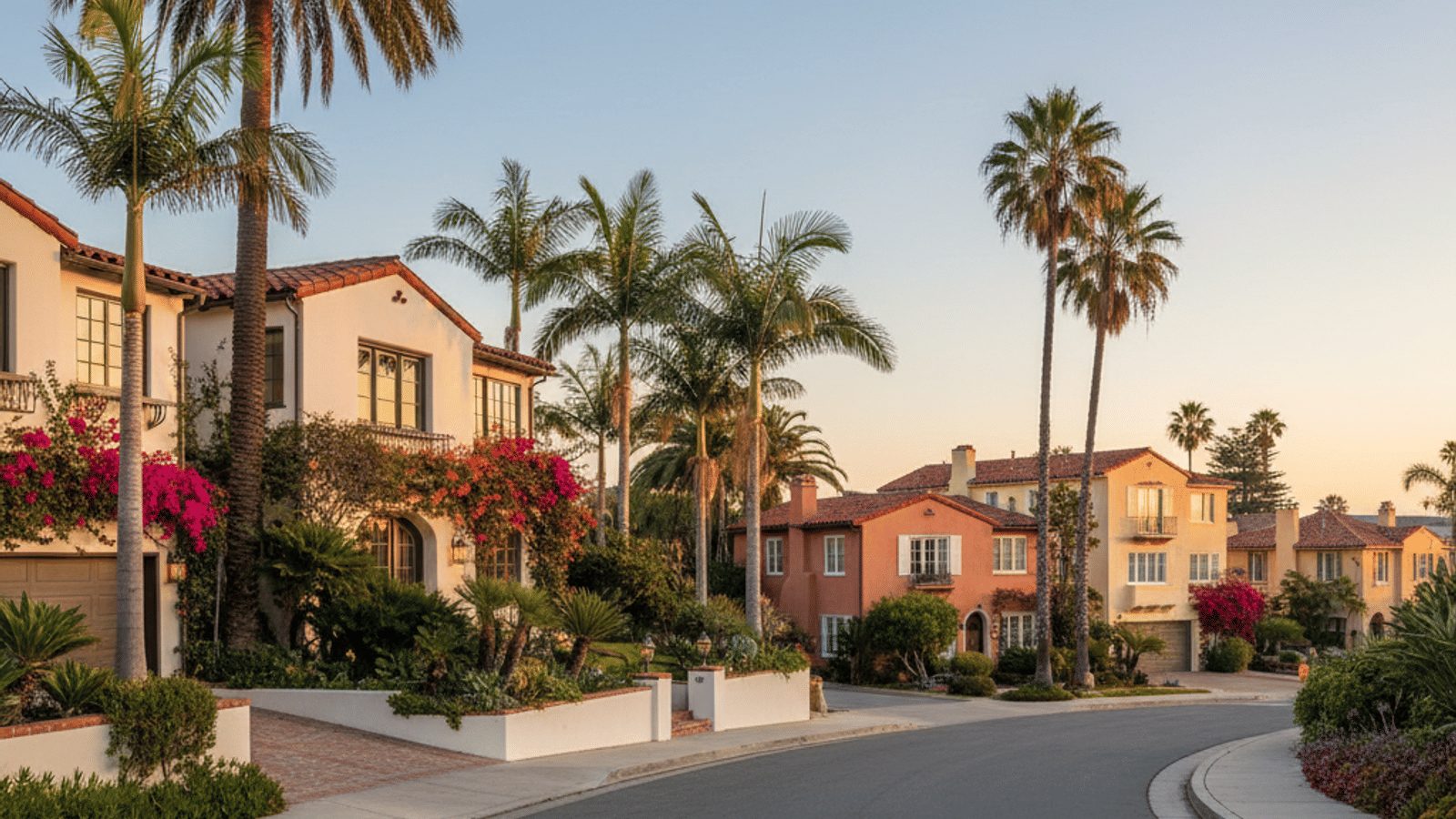
Rancho San Clemente, Forster Ranch, and Talega perch inland. Wider roads, community pools, hiking trail heads right outside cul-de-sacs. Marine layer burns off later in these hills, so expect foggy mornings.
Now the climate cheat sheet. Average high in August sits at 78°F. Average low in January hovers around 46°F. You read that right, forty-six, not freezing. Rain totals only thirteen inches a year, almost all between November and March. Wash your car in May and watch coastal drizzle undo your handiwork, the locals call it May Gray.
Earthquake nerves? The Cristianitos fault grumbles under Talega, but building codes upgraded right after the 1994 Northridge wake-up call. Most structures from 2000 forward exceed state recommendations. Insurance premiums stayed flat last year even as other California spots rose.
Traffic is manageable inside city limits, yet the Interstate 5 bottleneck at Avenida Pico tests patience between 3 p.m. and 6 p.m. daily. Caltrans is widening lanes through 2026. For now, savvy commuters duck onto El Camino Real for short hops or aim for dawn departures.
Bikes rule shorter trips. The coastal trail covers two and a half miles, connecting North Beach to Calafia, everything lit until midnight. E-bikes exploded in popularity, and the city passed a new speed cap of ten miles per hour on weekends. Keep that in mind before your teenager rockets past the lifeguard tower.
If you hunger for big-city buzz, San Diego sits sixty miles south, L.A. seventy-five north. Just enough distance to escape the grid yet close enough to chase a concert or a steakhouse when the itch hits.
Ready to Lock In That Change of Address
So there it is. Real numbers, real quirks, and real upside. Moving to San Clemente is not a budget play, it is a lifestyle choice that countless beach visitors daydream about then shelve. You now possess the unfiltered context to decide whether to shelve it too or make it happen. Prices may nudge higher, waves will still crash at Trestles, and those cliff-top sunsets will keep frying phone batteries from overuse. Your move.
FAQs for the Seriously Curious
What price range lands a starter home in 2025?
A livable two-bed condo starts near $850 k, though the average hovers above $900 k. Detached homes under $1.2 million exist but expect competition.
How good are the public schools?
Capistrano Unified oversees campuses here. San Clemente High earns top-tier state scores, and most elementary sites report teacher-to-student ratios below twenty-five. Private options include St. Margaret’s in nearby San Juan.
Will I need air conditioning?
Probably not. Less than thirty percent of older homes have central AC. Ceiling fans and open windows cover most days. Inland Talega owners sometimes retrofit mini-splits for late August.
Can I commute to Orange County business hubs by train?
Yes. Metrolink’s Orange County Line runs eleven weekday departures to Irvine and on to Anaheim. Monthly passholders stash surfboards in lockers at the station, then ride e-bikes home afterward.
What about pets on the beach?
Leashed dogs can trot on the beach trail anytime. On sand, rules loosen before 9 a.m. and after 6 p.m. from mid-September through early June. Summer peak hours remain off-limits, so plan walks at sunrise.