Setting the Scene
Orange County has its share of postcard-pretty towns, yet San Juan Capistrano still feels different. Cobblestone courtyards, real working stables, the mission bells—none of it feels manufactured. Around 35,700 people call the city home in 2025, and the number has inched upward for three years straight. On the housing front, the median sale price sits near $1.45 million, up about six percent from last winter. Inventory slips under two months most of the year, which means new listings move fast. A steady trickle of longtime residents downsizing meets an equally steady wave of newcomers chasing coastal weather and elbow room. Some stay, some rethink the cost, but the churn never really stops.
The Upside: Everyday Perks and Unexpected Bonuses
You sense it right away, that small-town heartbeat in the middle of a county known for speed. Pros of San Juan Capistrano start with atmosphere, yet they do not end there. Let’s dig in.
• History you can touch
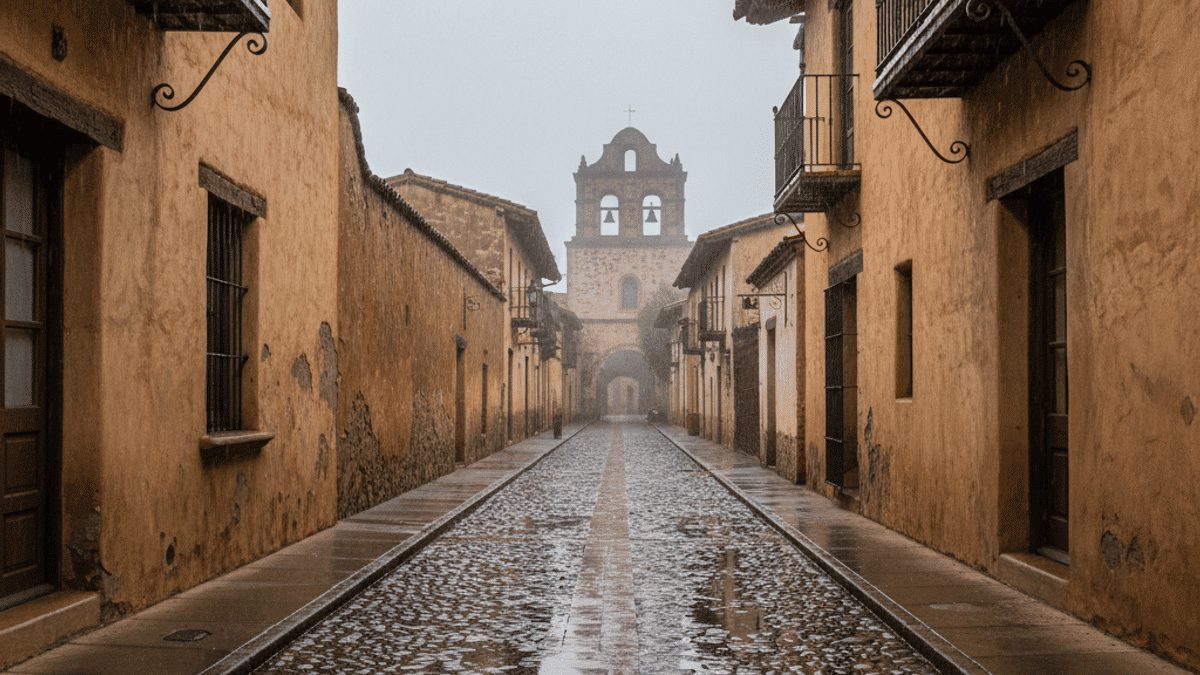
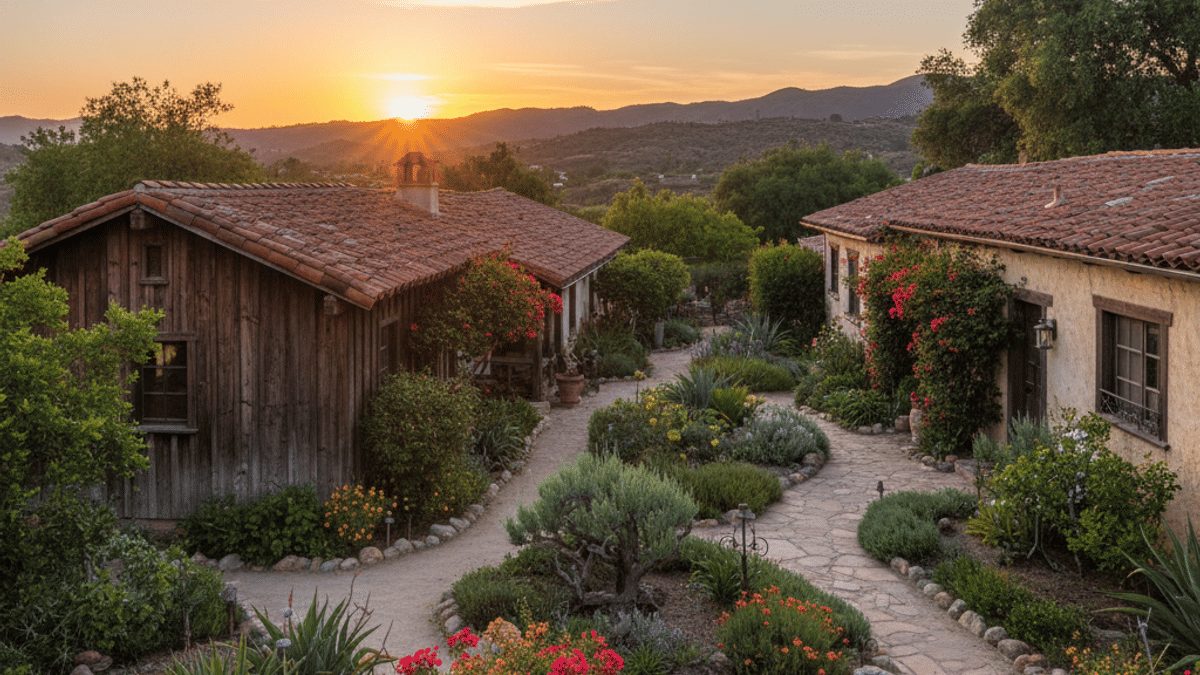
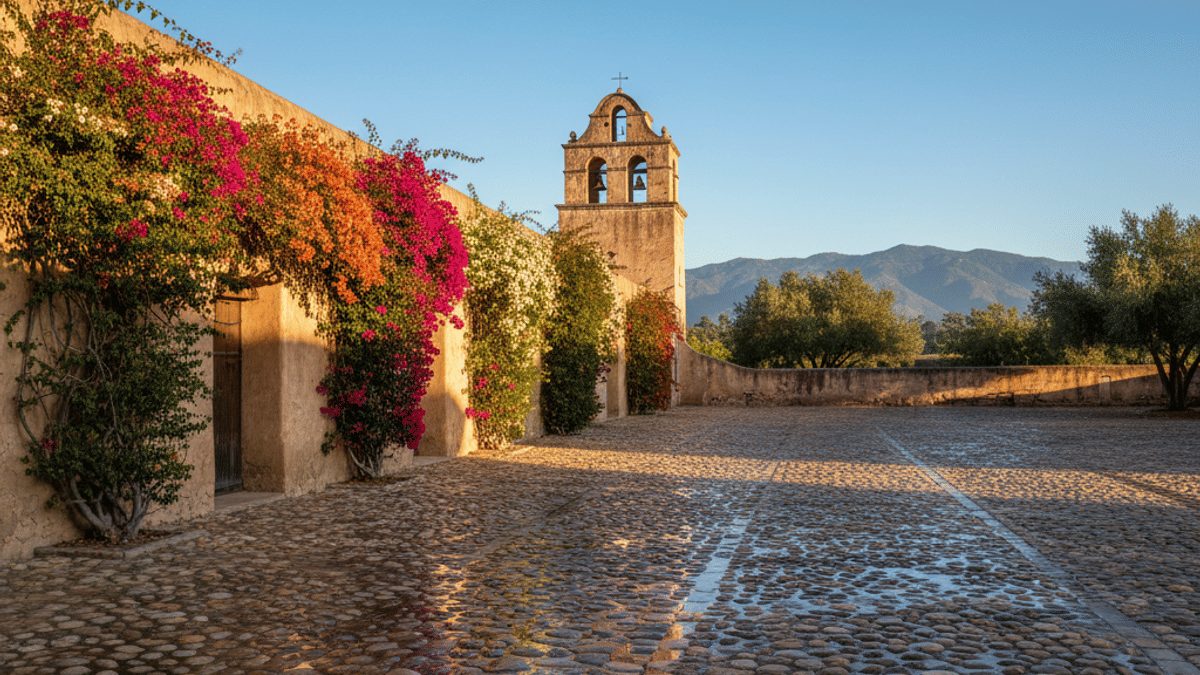
Walk First Street any morning and you’ll catch adobe walls kissing bougainvillea vines. The mission’s bell tower still rings on schedule. Homeowners inside the Historic Town Center district get access to city preservation grants, a perk many outsiders miss.
• Nature that never requires a freeway
Two regional parks—Ronald W. Caspers Wilderness and Thomas F. Riley—sit less than fifteen minutes from downtown. Hikers pick wild sage, bikers sneak in sunrise rides, horse owners trot shaded trails without hauling trailers hours inland. Hard to put a price tag on that.
• A genuine equestrian culture
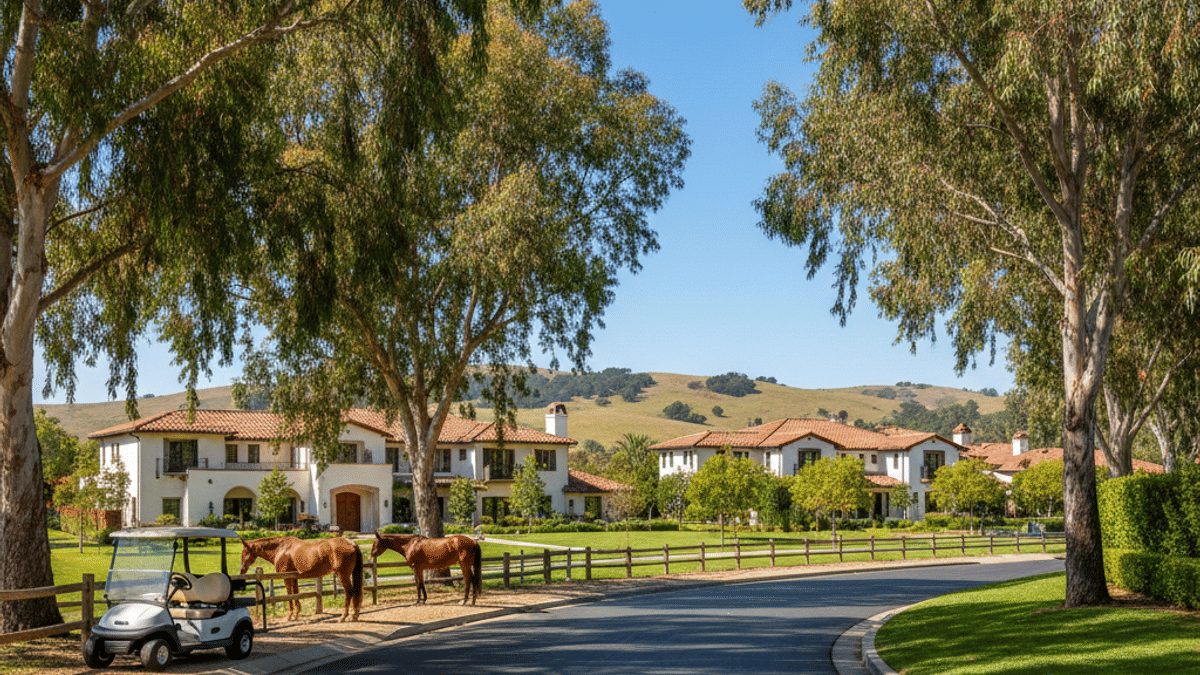
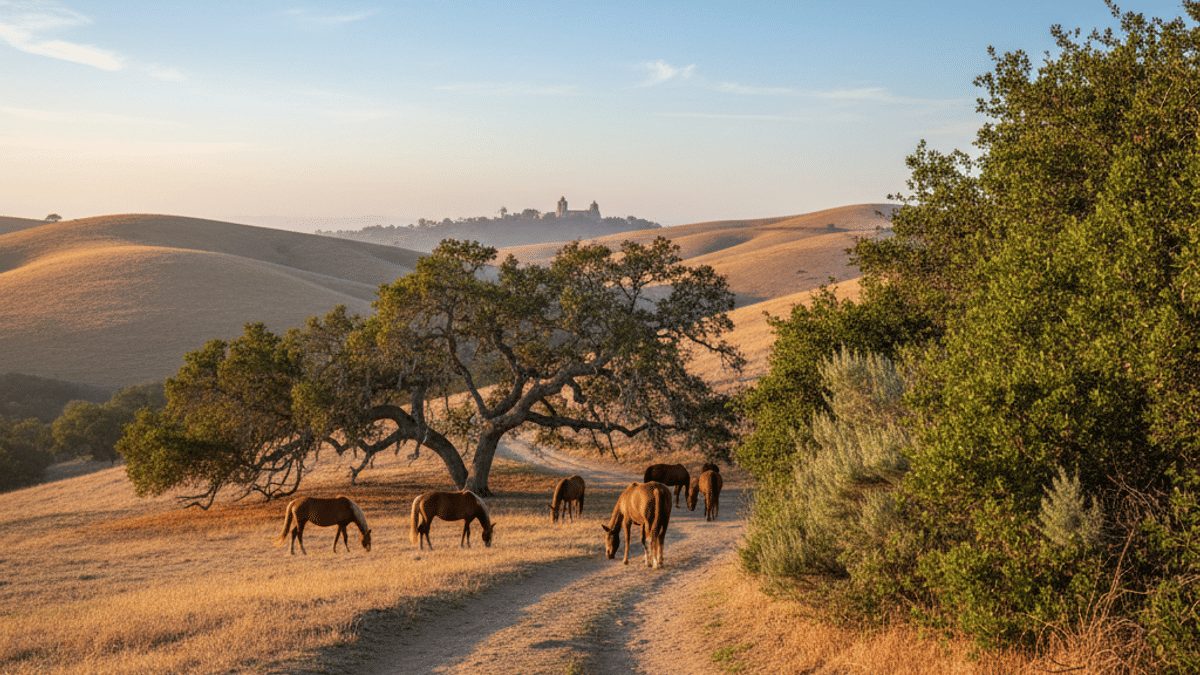
Not surface-level “horse country.” Real trainers, real boarding facilities, weekend rodeos, and an annual parade where riders guide Andalusians down Camino Capistrano as Teslas idle politely. If you grew up around barns, the smell of hay floating over town square feels like home.
• Beaches on demand, minus coastal premiums
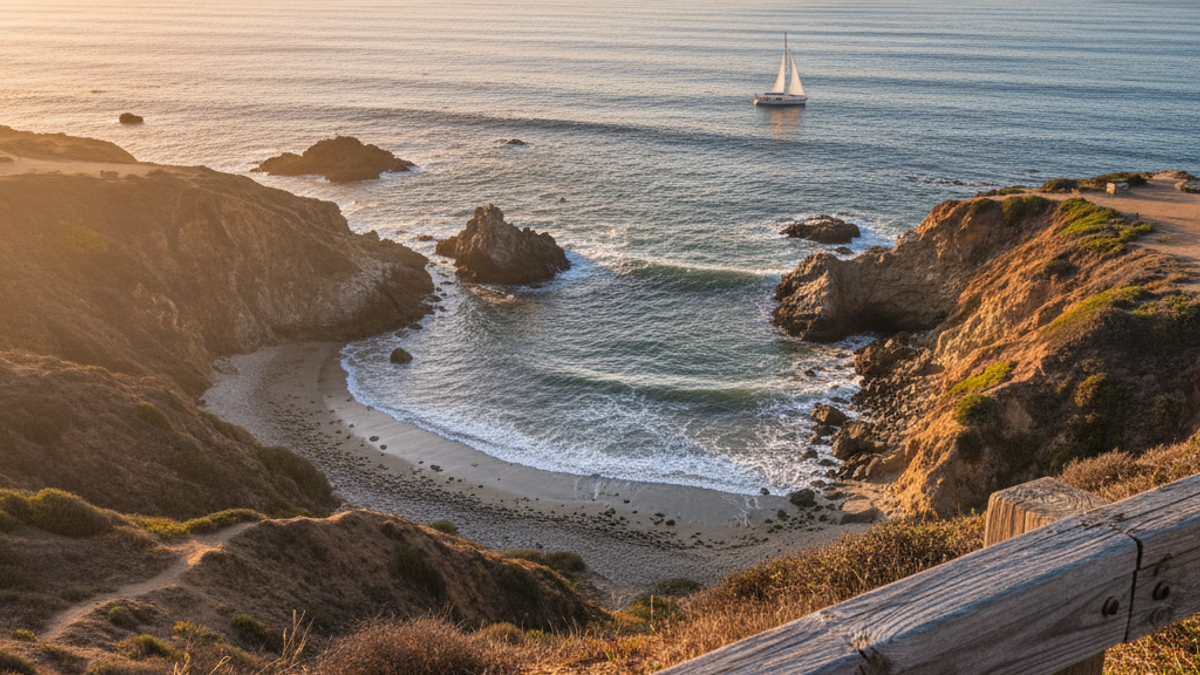
Drive west seven miles and you hit Dana Point Harbor. That sliver of separation from sand lowers insurance costs and list prices compared to oceanfront neighbors. You get sea breezes, not six-figure flood quotes.
• Microclimate magic
Morning marine layer keeps midsummer highs comfortable while inland cities bake. Afternoon temps hover in the 70s most of the year. Better yet, the valley topography shields you from Santa Ana winds that rattle other OC spots.
• School options that pull outsiders in
Capistrano Unified operates several highly ranked campuses. Private academies fill unique niches, including a dual-language immersion program and an arts magnet. People swap zip codes just for those options, so resale values benefit.
• A calendar filled without the tourist stampede
Swallows Day Parade, summer concerts under oak trees, lantern-lit ghost walks. Big enough to feel lively, small enough that you actually find parking. Local artists sell pottery beside retirees playing mariachi. You bump into neighbors, not waves of vacationers.
• Community farm boxes and vineyard tastings
Organic growers on the east edge of town offer subscription produce buckets. A micro-winery pours estate Syrah in a 1920s warehouse. Residents talk terroir like other cities debate football scores.
• Hidden infrastructure strengths
Fiber internet quietly expanded in 2023. Water rates remain lower than several north-county cities thanks to early aquifer investments. The municipal budget carries zero pension-fund red flags, which bodes well for long-term tax stability.
Still with me? Good. Because for every perk, a flip side waits to be considered.
The Downside: Nuisances, Bills, and Unspoken Rules
Pros and cons of San Juan Capistrano feel balanced only when you shine a light on the headaches. No town escapes them.
Housing sticker shock
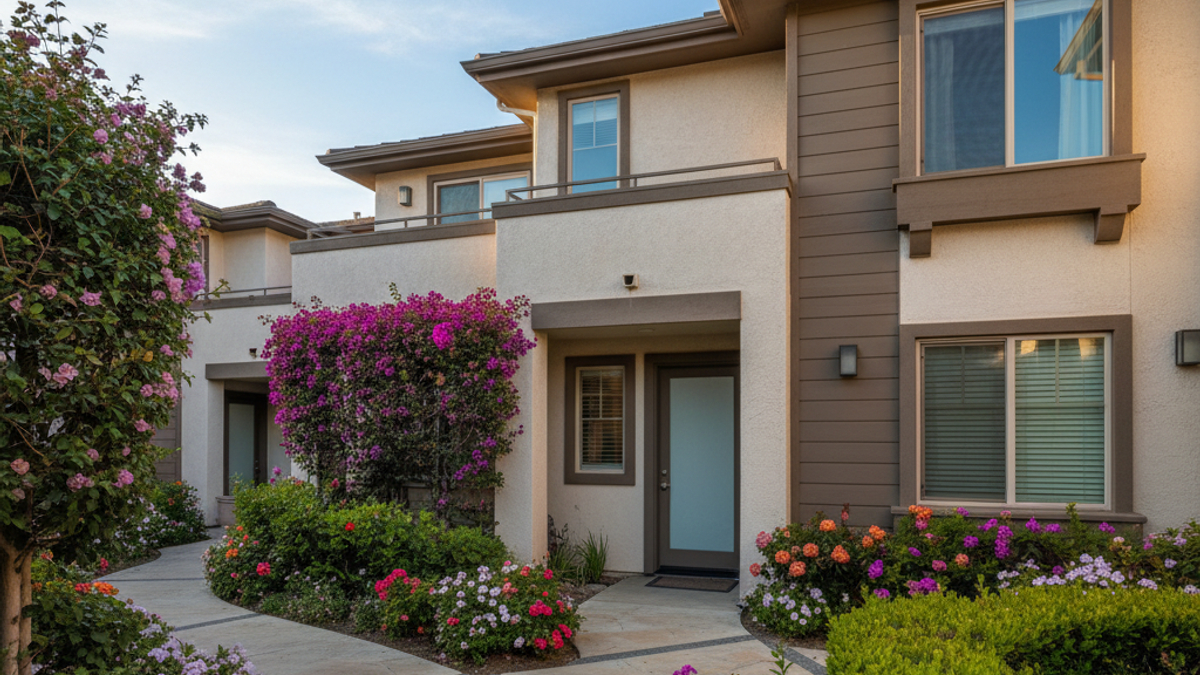
Even fixer-uppers older than the mission push past a million. Tear-downs trade above $900k. County transfer taxes, loan-level price adjustments, and stiff historic-district permit fees stack up quickly. Buyers who arrive armed with last year’s comps often blink, regroup, then widen their budget bands.
Train whistles at 2 a.m.
The Pacific Surfliner and Metrolink slice through the west side. Quieter horns rolled out this year, true, but steel on steel still groans loud enough to jar light sleepers. Rent a short-term stay near the tracks before you commit.
Traffic tangles at weird hours
Ortega Highway redesign shaved minutes off morning commutes, yet bottlenecks pop back up whenever beach crowds flood Interstate 5. Locals memorize side streets and timing tricks. Outsiders get caught looping around the historic district in search of an on-ramp.
Limited public transit reach
Yes, the train exists, and yes, there’s a modest city trolley. Beyond that, you’re steering your own ride. Gas, insurance, and the eternal OC parking hunt all matter. Ride-share helps but surges during festivals.
Utility bills surprise newcomers
Southern California Edison tiers climb fast. Scenic canyon homes lean heavily on air conditioning when Santa Anas do roar. City water stays reasonable, but some private wells require pricey nitrate treatments. Budget accordingly.
Zoning quirks plus preservation hoops
You cannot just repaint a century-old facade neon blue. The Cultural Heritage Commission weighs in, which slows remodel timelines. Even outside the district, hillside grading and oak-tree ordinances limit lot splits and additions. Investors with flip-and-run plans often bail after reading the municipal code.
Tourist pulse in spring
The annual return of cliff swallows still draws day-trippers. Streets near the mission clog with school buses. Parking meters fill before coffee brews. Locals dodge crowds or embrace them, but the city’s rhythm definitely shifts.
Noise variance from the equestrian life
Roosters at dawn. Rodeo announcers at dusk. If you cherish pure silence, rent nearby first to be sure you can live with hoofbeats echoing through the valley. Horses don’t respect quiet hours.
Insurance and fire risk math
Canyons east of town carry Very High Fire Hazard designations. That bumps up premiums and triggers strict ember-resistant building codes. Most years pass without incident, yet every dry autumn reminds residents of the gamble.
Political tug-of-war over growth
Some voices push for higher-density infill to control prices. Others defend the “village” scale. City hall meetings run late. Expect periodic delays on projects as council factions spar.
Hard truth time. If those drawbacks hit your pressure points, Capistrano might not fit. If you can stomach them, the upside looks shinier.
Ready to Decide?
San Juan Capistrano is layers. One minute you sip cold-brew in a fourth-generation café, the next you dodge a tractor rumbling toward an avocado grove. That mix of old mission charm, open land, and modern comforts ranks high on the pro column. On the con side, wallets take hits from million-dollar listings, night trains, and strict zoning. The only real way to grade the trade-offs is to walk the streets, count your costs, and trust your gut. Move forward with eyes wide open and you just might discover a hometown that feels handcrafted for you.
Quick-Hit FAQs
1. How long do listings sit before entering escrow?
Most detached homes in the sub-$1.6 million bracket go pending in fourteen to twenty-two days. Upper-end estates last closer to sixty.
2. Do homeowners pay Mello-Roos taxes here?
A handful of newer tracts east of Del Obispo carry small Mello-Roos assessments, usually under eight hundred dollars a year. Historic core properties do not.
3. Is there a local rule about keeping backyard chickens?
Up to six hens are fine on most residential parcels, provided coops meet setback guidelines and remain odor-free.
4. What months bring the heaviest swallows crowds?
Mid-March through early April. If you dislike festival traffic, plan errands before ten a.m.
5. Are there restrictions on short-term rentals?
Capistrano caps whole-home vacation rentals at ninety days per year and requires a city permit plus occupancy tax reporting.
6. Which internet providers hit gigabit speeds?
Both AT&T Fiber and Cox Panoramic offer symmetrical one-gig service in the majority of neighborhoods, including older downtown blocks that upgraded lines in 2023.
7. What’s the average electric bill for a three-bedroom ranch?
Roughly one hundred seventy dollars in spring, climbing to two-fifty in peak summer unless solar offsets usage.
That covers the essentials. The rest comes down to your lifestyle, your patience for quirks, and whether those mission bells feel charming or just plain loud.