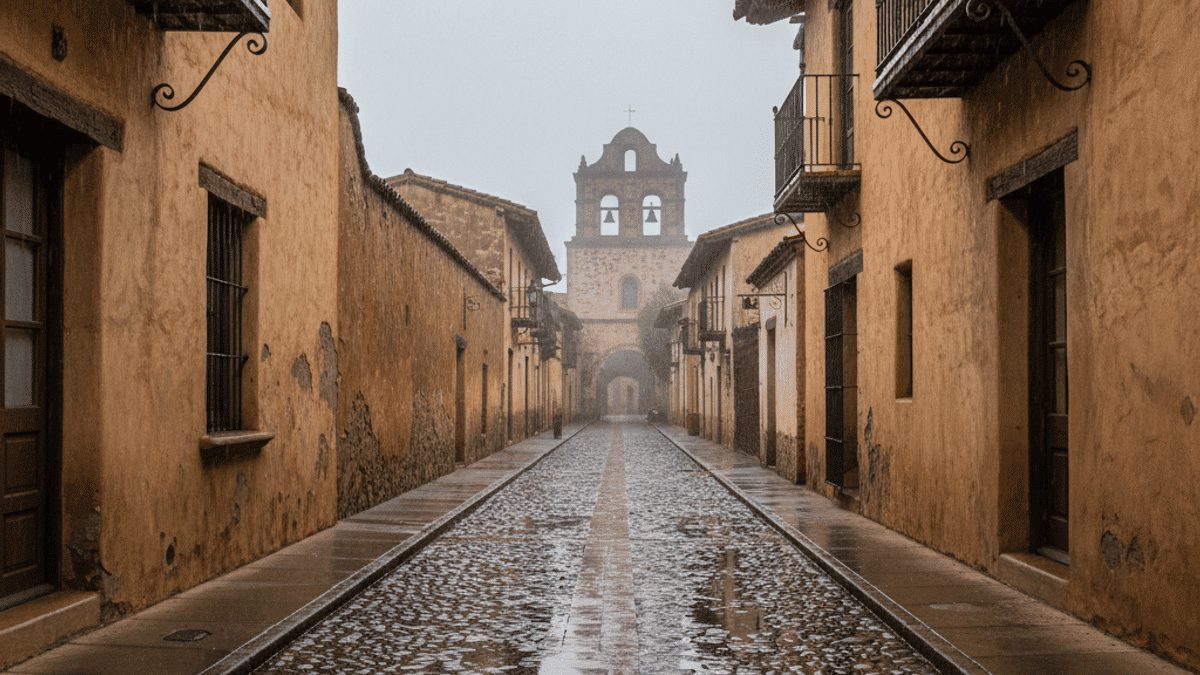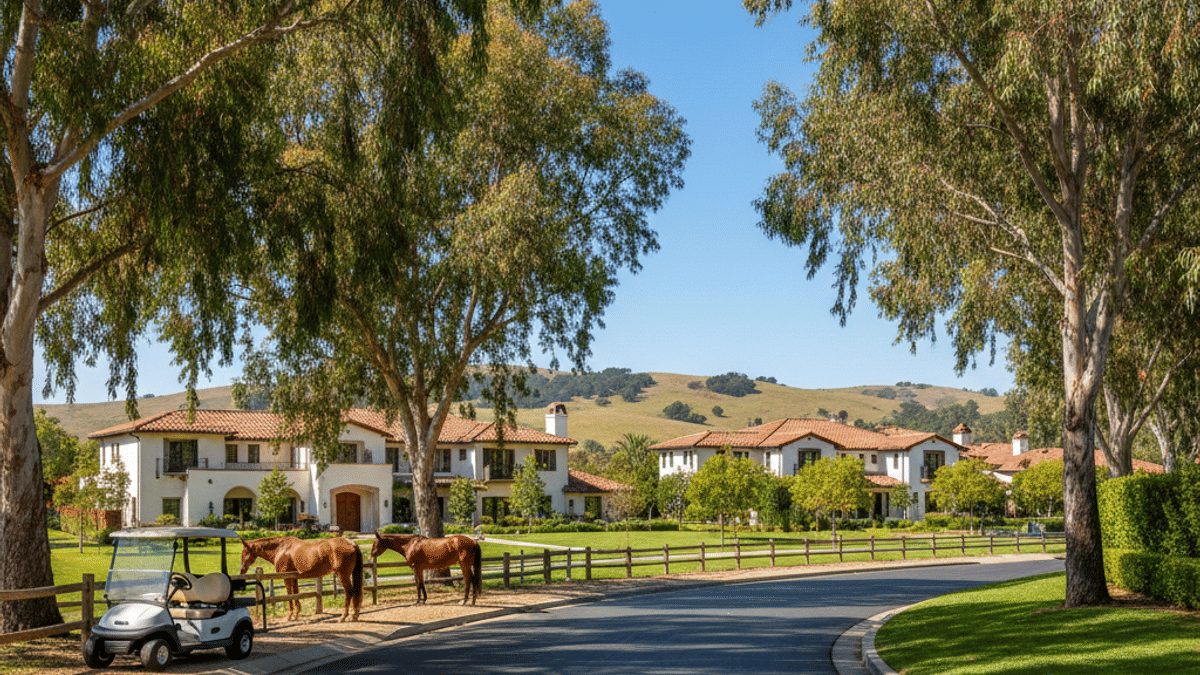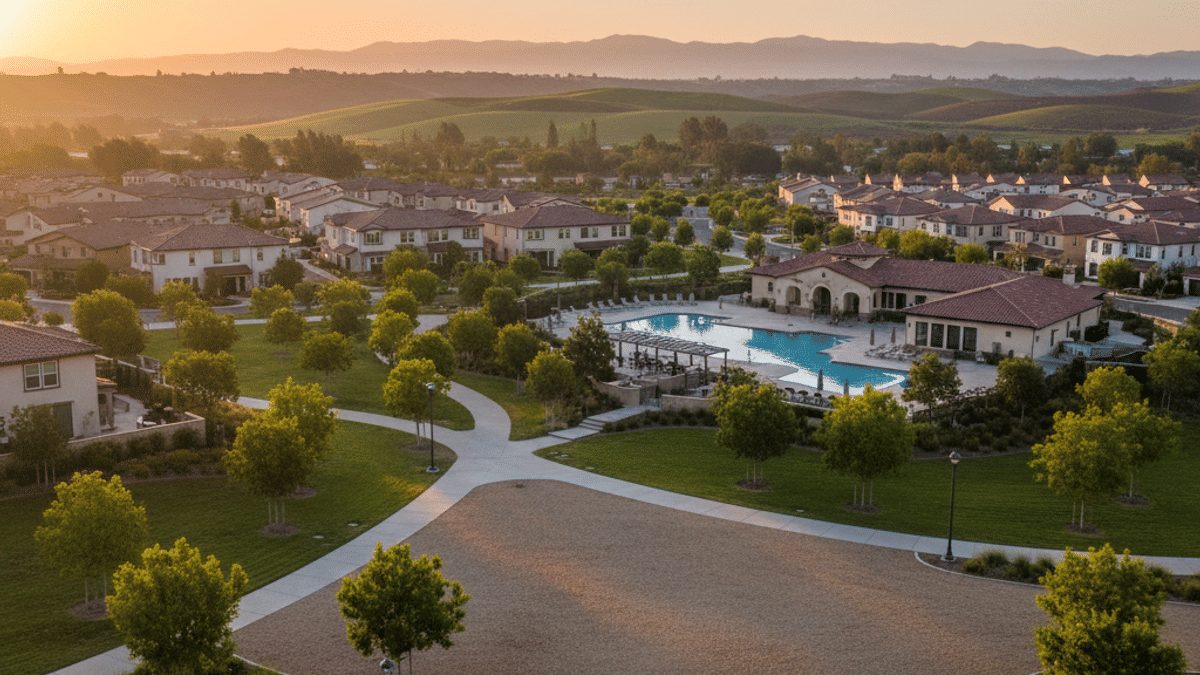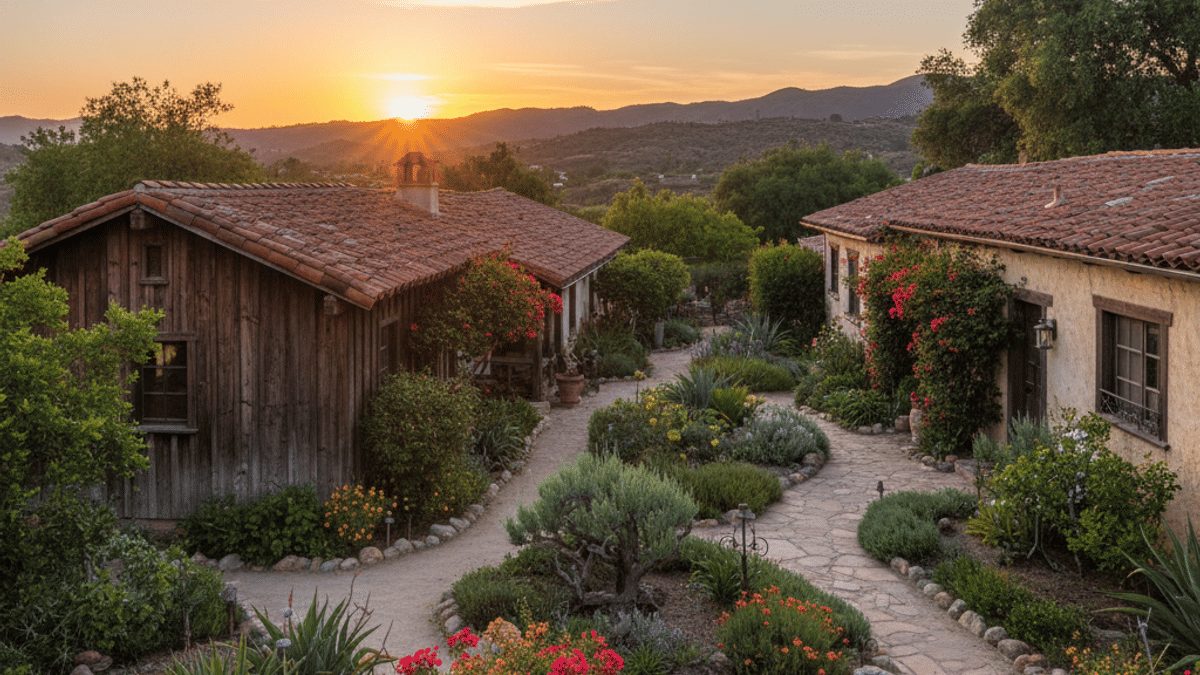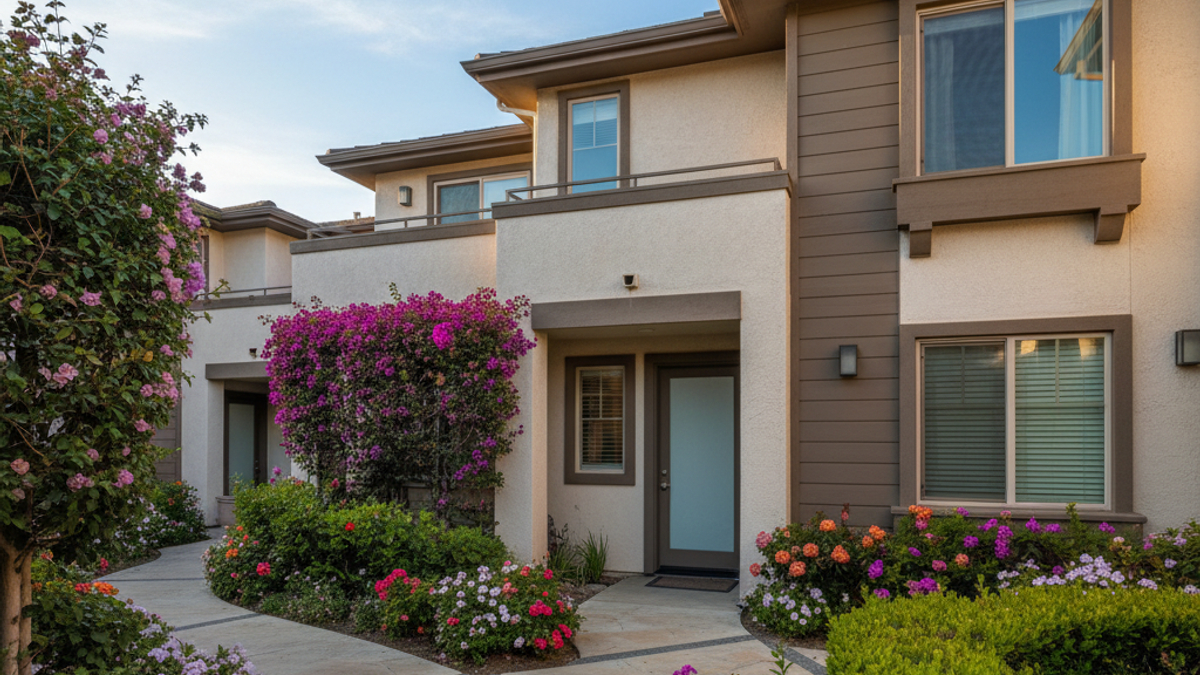

You bought in San Juan Capistrano because the town felt right: Mission bells in the background, horses trotting through the hills, downtown restaurants that know you by name. Now you’re wondering, “How long should I keep this place before I put up the For-Sale sign?”
Let’s get you a straight answer without the sugar-coating.
First, Feel the Pulse of This Market
A quick snapshot
San Juan Capistrano sits in south Orange County, wedged between coastal Dana Point and inland Rancho Mission Viejo. The inventory is usually tight—often less than two months of supply—so homes here don’t flood the MLS. Fewer listings mean prices hold up when other spots wobble.
What are buyers paying today?
• Median single-family closing price in early 2024: roughly $1.25 million
• Median condo/townhome price: about $820 k
• Year-over-year change: a bump of 6% for detached homes, 4% for condos
(Data pulled from Trendgraphix and California Regional MLS, spring 2024.)
Not cheap, but you knew that when you signed.
How long do locals stay put?
Nationally, owners stick around about 13 years. In California the number falls closer to 9 years. For San Juan Capistrano, title records show a median tenure near 8 years—shorter than you might guess. Folks cash out quicker here because:
• Equity builds fast when coastal demand heats up.
• Job changes in Orange County and San Diego often shuffle people after 5-8 years.
• Empty nesters right-size, making room for new buyers.
What really pushes prices up or down?
• Proximity to Pacific Coast Highway and I-5.
• Ongoing restoration around the Mission, which draws tourists and dinner crowds.
• Limited new-construction parcels, so resale homes face less competition.
• Orange County employment in tech, biotech, and tourism.
Keep those levers in mind as you time your exit.
The Money Side You Can’t Ignore
Stack equity before you bail out
Mortgage amortization is lopsided. For the first few years you feed the interest monster while chipping away at principal in baby bites. Here’s a quick rule of thumb:
Years 1-2 You’ve paid down maybe 4-5% of the original balance.
Years 3-5 Some breathing room—around 10-12% shaved off.
Years 6-8 Now the principal starts melting faster, and your equity builds in earnest.
Selling inside the first three years often feels like running a sprint only to trip at the finish line. You still owe most of the loan, the closing costs slice into proceeds, and capital gains rules may slam you.
Speaking of taxes…
The IRS offers a giant $250 k exclusion on gain for single filers and $500 k for joint filers—as long as the home was your primary residence for at least two of the last five years. Fall short of the two-year mark and that shield disappears. Result: you could owe up to 20% federal capital gains plus the California slice. Ouch.
Appreciation trends
Look at five-year rolling averages:
• 2018-2023: detached homes, plus 42%.
• 2013-2018: detached homes, plus 37%.
That’s an annualized bump around 6-7%. Nothing guarantees future growth, yet the past decade shows why eight-year owners in San Juan Capistrano often walk away with six-figure wins.
The hidden price tag of selling
Budget for 7-8% of the sale price once commissions, escrow, title insurance, and minor prep work pile up. Then add movers, storage, maybe a few nights in a hotel. On a $1.2 million sale, that’s roughly $85-95 k evaporating. You need enough equity to swallow that cost and still walk away smiling.
Catching the Right Window
Seasonality, West-Coast style
Spring remains king. March through May the gardens are green, school calendars line up, and buyers roam open houses in droves. Summer stays active but late July can soften as vacation mode kicks in. Fall sees another mini-spike until Thanksgiving. Winter? Quieter—but serious buyers hunt for deals then, so don’t rule it out.
Watch mortgage rates like a hawk
A one-point jump in 30-year rates chops 10% off average purchasing power. When rates dip, fence-sitters leap. If you notice rates edging down after a rough patch, that’s your bat-signal. List while enthusiasm returns and you snag multiple offers.
Future projects that could juice values
• The River Street Marketplace, slated to add boutique shops and dining near the Mission.
• Continued track improvements on the LOSSAN rail corridor, making commuting to Irvine or San Diego faster.
• Saddleback College’s expansion a few exits north, drawing faculty and staff who crave a historic-town vibe.
Local intel beats national headlines
Online articles talk about “the market” as if every ZIP code moves in unison. It doesn’t. Grab coffee with an agent who lists in Capistrano daily, not someone 30 miles away. Ask for an absorption-rate report and a list of homes that expired unsold the last quarter. Nothing replaces boots-on-the-ground knowledge.
Sometimes It’s Not About the Math
Life shakes things up
New job in Irvine? Elderly parent needs help? Kids rallying for a bigger backyard? Personal milestones override perfect timing. The question then becomes, “Can we afford to sell now?” rather than, “Is this the textbook best moment?”
Your own balance sheet decides
Check three numbers:
1. Emergency fund—six months expenses sitting safe?
2. Debt-to-income ratio—will the next mortgage or rent payment still fit?
3. Net proceeds—after agent fees, loan payoff, and taxes, what lands in your bank account?
If those boxes stay green, you have freedom to move when life demands.
Long-range plan, please
Picture five years ahead. Staying in the county? Eyeing a mountain cabin? Investing in a duplex for rental income? Map the next chapter so the sale in Capistrano pushes you toward that goal rather than into limbo.
Community ties tug at you
People don’t leave San Juan Capistrano casually. The equestrian culture, the Mission events, the coastal breezes—they stick under your skin. Weigh the intangible loss against the pragmatic benefits of selling.
Ready or Not? Use This Mini-Checklist
1. I’ve owned at least two full years, so the capital gains shield applies.
2. My equity covers loan payoff plus roughly 8% selling costs.
3. The local absorption rate is under three months, signaling steady demand.
4. Mortgage rates aren’t sky-high, keeping buyer budgets intact.
5. Personal life stage lines up with a move in the next 6-12 months.
Hit four out of five? You’re probably in good shape to list.
Stories From the Street
• Maria and Luis bought a three-bed cottage in 2016 for $720 k, remodeled the kitchen, waited seven years, and exited at $1.15 million. Equity after costs: about $360 k. That bankroll kicked off their Paso Robles vineyard dream.
• David snagged a townhome in 2021, tried to flip in 2023, and discovered he’d clear less than $20 k after commission. He paused, rented the place out for a year, let principal drop, let appreciation climb, and now expects a $90 k cushion when listing in 2025.
Real people, real timing choices.
Polishing Your Place Before Showtime
1. Deep clean baseboards, window tracks, tile grout. Small details hint at overall care.
2. Fresh mulch and drought-smart plants by the walkway. First impressions matter.
3. Neutral interior paint, warm LED bulbs, and clutter-free surfaces.
4. Pre-inspection to uncover surprises before buyers do.
5. Professional photography at golden hour—skipping smartphone pics is non-negotiable.
So, How Long Should You Own Before Selling?
The sweet spot in San Juan Capistrano commonly lands between five and ten years. Five years lets you leverage solid equity and the IRS break. Ten pushes appreciation to a point where you can leapfrog into your next adventure with ease. Sell earlier only if life twists your arm or if the market serves up an irresistible price.
Truth is, no universal stopwatch exists. Yet if you keep an eye on equity, taxes, interest rates, and your own life priorities, you’ll know when it feels right.
Thinking it might be “right” soon? Run the numbers, walk your property with a local pro, and sketch your next move on paper. Then commit. The Mission bells will still be ringing whether you stay or hand the keys to someone new.