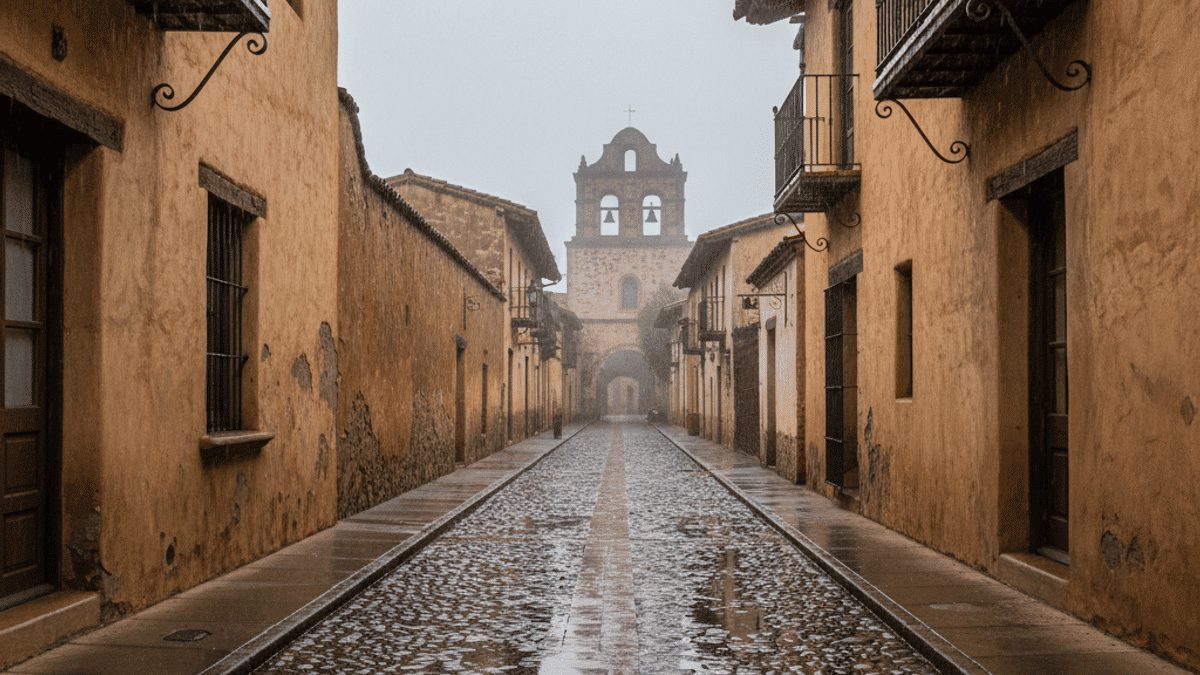
You’re eyeing San Juan Capistrano—the land of cliff-side sunsets, adobe charm, and those famous cliff-swallows that somehow know when to come home every March. But when do you swoop in? Timing the purchase of a house here isn’t just about scrolling new listings and hoping for a miracle price drop. It’s a cocktail of seasonality, interest-rate roulette, local job buzz, and a few hyper-local quirks the national blogs skip right over.
Grab a coffee (or that agua fresca from El Campeon) and let’s tear into the calendar, one messy page at a time.
The Four-Season Rollercoaster
Winter: Fewer Shoppers, Quicker Deals
Rainy days, holiday lights, and—surprise—motivated sellers. From late November through January:
- Showings thin out. People are busy wrapping gifts, not house keys.
- Sellers who have to sell can’t wait for spring foot traffic. They price realistically and entertain clean offers faster.
- Movers, inspectors, and contractors have more openings—no summer bottlenecks.
One catch: inventory’s lighter. You may only see five or six viable options rather than a full buffet. Still, fewer bidding wars means you can negotiate for things like closing-cost credits or a flexible escrow.
Little-known local nugget: December rain reveals roof leaks in older adobes around the Mission District. A leaky showing today could translate to a big concession tomorrow. Keep your umbrella handy, and your inspection contingency tighter.
Spring: Inventory Pops—and Prices Try To
Cue the jacarandas. Mid-February through early May sees “For Sale” signs multiply:
- Fresh listings = more choice.
- Curb appeal’s peaking—orange blossoms, green hills after winter rains.
- Open-house traffic doubles; competition follows.
Median prices in Capistrano typically notch their first uptick of the year around March. According to the local MLS data slice I pulled (2018-2023), accepted offers jump roughly 4% compared with winter. Not lethal, but noticeable on a $1.1M adobe.
Tactic if you love spring shopping: move like lightning on under-priced homes. Review disclosures before touring so you can write an offer that same evening. Yes, you’ll feel rushed. Welcome to spring.
Summer: Sun, Surf, and Serious Heat
June through August is when everybody wants to move—partly to align with the academic calendar, partly because the weather’s too perfect to stay indoors.
- Showing windows stretch later (sunset after 8:00 p.m.—magic).
- You can inspect roofs, patios, and drainage without rain interference.
- Competition peaks; bidding wars become dinner-table gossip.
Yet summer isn’t all chaos. By late July, overpriced listings start to stagnate. Sellers who mis-read spring demand grow nervous and slash prices. Catch them in that two-to-three-week window before Labor Day and you can snag value without winter’s slim pickings.
Quick local angle: the Rancho Mission Viejo Rodeo in August yanks half the town into festival mode. Schedule inspections that weekend; contractors will have openings while others attend the rodeo.
Fall: The Quiet Sweet Spot
September through early November slips under most radars. Kids are back in classrooms, holidays aren’t here yet, and the weather’s still mild.
- Price reductions from summer linger.
- New listings pop up from folks who waited out the summer frenzy.
- Lenders push to fund by year-end—underwriting times shrink.
I like fall for one nerdy reason: tax strategy. Close before December 31 and you can write off mortgage interest and property taxes sooner. Your CPA will thank you—and so will your April self.
Beyond Seasons: What Really Moves the Needle
Interest Rates—The Moving Target You Can’t Ignore
A one-point rate change on a $900,000 loan is roughly $550 a month. Yikes. While seasons affect inventory, rates rewrite your long-term budget.
Fun micro-history: In 2020, 30-year fixed rates in Capistrano dipped below 3%. That produced a frenzy more intense than spring/summer seasonality combined. People were waving appraisal contingencies like parade flags.
Fast-forward: The Fed’s rate path now swings on inflation data. Track the 10-year Treasury yield each Thursday; mortgage lenders bake that into Friday rate sheets. If the 10-year dips after a rough economic report, call your lender that afternoon. Seconds matter when they’re locking.
Local Jobs & Projects—Why a New Coffee Roaster Matters
National headlines cite tech layoffs or manufacturing rebounds, but Capistrano’s micro-economy is quietly driven by:
- Mission Hospital’s medical expansions.
- The Ortega Highway corridor upgrades (construction jobs, then smoother commutes).
- A burgeoning agritourism scene—organic farms on the eastern edge host weekend markets, drawing hospitality dollars.
When employment announcements hit, rental demand spikes first, then ownership demand. If you see hiring fairs at the Capistrano Community Center, expect listing absorption within three to six months.
Inventory Pipeline—A Peek Behind the Curtain
Capistrano’s not pumping out endless new builds; escaping that sprawl is half its charm. Only 45 single-family permits were issued citywide last year. Translation: Any sizeable new tract becomes hot gossip months before breaking ground. Keep tabs on Planning Commission agendas—which are public and wildly under-watched.
I’ve shown buyers lots whose grading hadn’t started yet. Securing a place in that lottery often beats elbowing through resale homes in April.
Pros, Cons, and Sneaky Hacks—Season by Season
I promised raw, so let’s lay it all out.
Winter
- + Lower buyer traffic → Better negotiation leverage
- + Faster service from lenders and movers
- – Limited inventory (especially single-story ranch properties)
- – Rain can delay closing repairs
Spring
- + Inventory surge → More choices, maybe your forever home pops up
- + Blooming yards help visualize outdoor potential
- – Prices trend higher
- – Lightning-fast bidding timelines can fry your nerves
Summer
- + Long daylight = easier after-work showings
- + You can truly stress-test AC units
- – Highest competition; expect over-ask offers
- – Vacation schedules cause juggling act for signatures
Fall
- + Combo of summer leftovers + fresh listings (best of both)
- + Year-end tax deduction potential
- – Days shorten, making weeknight showings tricky
- – Holidays creep up, and sellers sometimes yank listings to “try again next year”
Lifestyle Timing—Stuff Zillow Doesn’t Graph
- Swallows Day Parade (mid-March)
Trying to close escrow? Street closures around downtown complicate movers and appraisers. Either avoid that week or build extra padding into your timeline. - Coastal Commission Watering Restrictions (usually announced early summer)
Lush lawns can’t hide irrigation fines. If you shop in July, confirm whether the landscape you’re admiring is drought-tolerant or just over-watered for show. - Amtrak Pacific Surfliner Quiet-Zone Proposal (city council revisits each fall)
Homes near the tracks might gain or lose steam value-wise once noise ordinances shift. Check minutes from the most recent meeting—fewer than 40 locals attend, yet decisions there move price per square foot. - Dana Point Harbor Revamp (10-minute drive)
Construction bursts have staggered start dates. If Phase Two kicks off in the winter of your purchase year, expect traffic detours but also service-industry hiring booms.
Punch-List for Would-Be Buyers
Not a formal checklist. More a scribbled note pulled from my phone:
- Subscribe to the city’s eNotices — Planning, not just council.
- Keep relationships alive with two lenders, not one. Pit them (politely) for rate locks on volatile weeks.
- Tour at least one property in the rain and one at sunset. Houses change personalities with weather.
- Ask escrow officers about “binder” policies if you plan to refinance inside two years—could save you title fees.
- If you fall for a historic adobito, budget $25–$40/sq ft for mandatory preservation standards. No, the listing doesn’t yell that at you.
So…When Should You Pull the Trigger?
Short answer: when your personal finances, the rate sheet, and the calendar decide to share the same high-five moment. Long answer:
- Need maximum choice? Chase spring listings, but roll in ready for a knife-fight.
- Crave negotiation power? Winter’s your wingman—just accept you might buy the only mid-century ranch on market that month.
- Want balance and a rosy tax write-off? Glide in during early fall, before the Halloween decorations go up.
Honestly, the “best” time is less about meteorology and more about you having your ducks lined up—pre-approval in hand, down payment parked safely, nerves steady. If that all clicks on an odd Wednesday in February, trust it.
Ready to Start Window-Shopping (for real)?
If you’ve read this far, you’re not just dabbling. You’re hungry for the edge, the nuance, the stuff the big portals gloss over. The next step is simple:
- Pin down your budget range while rates are still morning-low.
- Stalk the MLS drip for at least three weeks—watch how list prices flirt with sale prices.
- Book a local agent who knows which Mission District adobe has a 1920-era sewer line and which one secretly had it replaced last summer.
Take it seasonal, but take it seriously. San Juan Capistrano rewards shoppers who respect its rhythms—and punishes those who guess. Nail the timing, and those cliff-swallows won’t be the only ones thrilled about coming home.